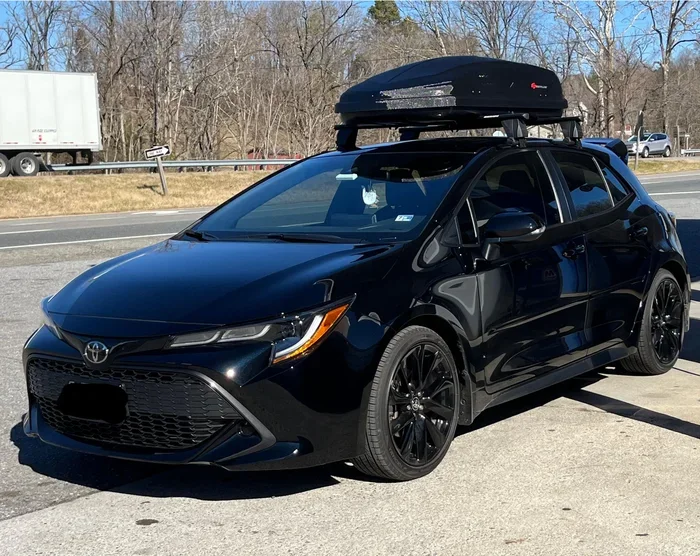
Can A Toyota Corolla Last 500K Miles With Proper Care
A Toyota Corolla can absolutely last 500K miles when you follow a solid maintenance routine and drive with care. These cars are built for reliability, and thousands of owners have proven it on the road. The key is staying ahead of wear and tear with regular oil changes, fluid flushes, and timely part replacements. Proper care makes all the difference between a car that dies at 200K and one that keeps going strong. If you treat your Corolla right, 500K miles is not just possible — it is very achievable.
There is something special about a Toyota Corolla that just keeps on ticking. People buy them, drive them for years, and then wonder — can this thing really go another 100,000 miles? The answer is a resounding yes. The Toyota Corolla has earned a reputation as one of the most reliable cars ever built. And when it comes to pushing past the 500,000-mile mark, this little sedan has a lot to prove.
But here is the truth. A Toyota Corolla does not just magically last 500K miles on its own. It takes work. It takes dedication. It takes a person who actually reads the owner’s manual and follows through on basic upkeep. If you are willing to put in that effort, your Corolla can easily outlast most cars on the road today.
In this article, we are going to break down exactly what it takes to get 500K miles out of a Toyota Corolla. We will cover the maintenance schedule, the common problems you will face, the driving habits that help, and whether buying a high-mileage Corolla is even a smart move. Let us get into it.
Key Takeaways
- Toyota Corollas are built to last: Their simple, proven engineering makes them one of the most durable cars on the road.
- Regular maintenance is non-negotiable: Oil changes, fluid flushes, and part replacements keep everything running smoothly.
- Driving habits matter a lot: Gentle acceleration, smooth braking, and avoiding short trips extend your car’s life significantly.
- Common high-mileage issues are manageable: Things like timing belts, spark plugs, and suspension parts need attention but are easy to address.
- A high-mileage Corolla can be a great buy: With a clean history and proper care, these cars offer incredible value.
- Rust prevention is essential: Washing the undercarriage and addressing chips early keeps the body strong for decades.
📑 Table of Contents
The Truth About Toyota Corolla Longevity
Why the Corolla Has a Reputation for Reliability
The Toyota Corolla has been around since 1966. That is over 55 years of continuous production. During that time, Toyota has refined the design, improved the engineering, and listened to what owners actually need. The result is a car that is simple, efficient, and incredibly dependable.
Unlike some vehicles packed with complex technology, the Corolla keeps things straightforward. Fewer moving parts means fewer things that can break. The engines are proven workhorses that have been tested millions of times around the world. This is why a Toyota Corolla longevity story is so common among owners.
According to data from repair databases and owner surveys, the average Toyota Corolla can easily reach 200,000 to 300,000 miles with basic care. But 500K? That is where the really dedicated owners come in. And they all share one thing in common — they never skipped a maintenance interval.
Real Stories of Corollas Hitting 500K Miles
You do not have to take our word for it. There are countless stories online from Corolla owners who have crossed the 500,000-mile threshold. Some of these cars are still daily drivers. Others have been passed down to family members and are still going strong.
One owner shared a story about a 2003 Corolla CE that hit 520,000 miles. The secret? He changed the oil every 3,000 miles and never ignored a strange noise. Another owner talked about a 1998 Corolla that reached 600,000 miles before being retired. The engine still ran smooth, and the transmission shifted like new.
These stories are not rare exceptions. They are the norm for people who treat their Corolla with respect. The car is built to handle high mileage. But it needs a committed owner to make that happen.
What Makes the Corolla So Durable
Simple Engineering That Works
The Toyota Corolla is not trying to be fancy. It is designed to be practical, efficient, and long-lasting. The engines used in Corollas over the years are known for their simplicity and strength. The 1ZZ-FE engine found in many 2000s models, for example, is a workhorse that has powered millions of cars across the globe.
Toyota uses high-quality materials in the Corolla’s construction. The engine blocks are cast iron or durable aluminum alloys. The transmission systems are straightforward and well-tested. Even the suspension components are designed for longevity rather than sportiness.
This simplicity is actually a strength. When something does go wrong, it is usually easy and affordable to fix. You are not dealing with complex computer systems or exotic parts. A high mileage Toyota Corolla is easier and cheaper to maintain than most other cars on the road.
The Role of Toyota’s Build Quality
Toyota is famous for its manufacturing standards. Every Corolla that rolls off the assembly line goes through rigorous quality checks. The fit and finish of the parts, the precision of the engine assembly, and the attention to detail are all top-notch.
This build quality translates directly into longevity. When every component is made to tight tolerances and tested for durability, the whole car benefits. The engine longevity in a Corolla is impressive because the parts simply fit better and wear more slowly than in lesser-built vehicles.
Toyota also uses conservative engineering. They do not push parts to their absolute limits. Instead, they build in safety margins. This means that a Corolla engine rated for a certain workload often handles much more than expected. That extra margin is what gives the car room to reach 500K miles and beyond.
Essential Maintenance for 500K Miles
Your Toyota Corolla Maintenance Schedule
You cannot talk about getting 500K miles out of a Corolla without talking about maintenance. This is the single most important factor. A car that is well-maintained will always outlast one that is neglected.
Here is a simple maintenance checklist for a high-mileage Toyota Corolla:
- Oil changes every 5,000 to 7,500 miles — or every 3,000 miles if you drive in harsh conditions.
- Coolant flush every 30,000 miles — this prevents overheating and corrosion inside the engine.
- Transmission fluid change every 60,000 miles — keeps the transmission shifting smoothly for years.
- Spark plug replacement every 30,000 to 60,000 miles — ensures the engine fires properly and efficiently.
- Timing belt replacement at 100,000 miles — this is critical. A broken timing belt can destroy the engine.
- Brake fluid flush every 2 years — moisture in brake fluid can cause brake failure over time.
- Power steering fluid top-off and flush — keeps steering smooth and responsive.
- Air filter replacement every 15,000 to 30,000 miles — clean air means better fuel economy and engine health.
The Importance of Regular Oil Changes
Let us talk about oil changes because they matter more than almost anything else. Engine oil is the lifeblood of your car. It lubricates moving parts, reduces friction, and carries heat away from the engine. When oil gets old and dirty, it stops doing its job.
Skipping oil changes is the fastest way to kill an engine. At high mileage, the oil breaks down faster. Contaminants build up. Metal particles from normal wear circulate through the system. Fresh oil flushes all of that out and keeps the engine internals clean.
Quick Tip: Always use the oil grade recommended in your owner’s manual. For most Corollas, this is 0W-20 or 5W-30 synthetic oil. Do not cheap out on oil — your engine will thank you at 500K miles.
Fluid Flushes That People Forget
Most people remember oil changes. But there are other fluids that need attention too. Transmission fluid, coolant, brake fluid, and power steering fluid all degrade over time. Ignoring them leads to expensive repairs down the road.
A coolant flush is especially important for the Corolla. Old coolant becomes acidic and can corrode the engine’s internal passages. This leads to overheating and potential head gasket failure. A simple flush every 30,000 miles prevents all of that.
Common Mistake: Many owners ignore transmission fluid changes until they notice slipping or rough shifting. By then, the damage may already be done. Stay ahead of it with regular fluid changes.
Common Problems at High Mileage
Timing Belt and Tensioner Issues
The timing belt is one of the most critical components in your Corolla. It synchronizes the engine’s camshaft and crankshaft so the valves open and close at the right time. If the timing belt breaks, the engine can suffer catastrophic damage.
Toyota recommends replacing the timing belt every 100,000 miles. However, if you are aiming for 500K miles, you should replace it at least twice — at 100,000 and 200,000 miles. The tensioner and idler pulleys should also be inspected and replaced at the same time.
This is not an expensive repair if you catch it on time. But a broken timing belt on a high-mileage engine can mean a full engine replacement. Do not skip this maintenance item.
Suspension and Steering Wear
At 500K miles, the suspension system takes a beating. Shock absorbers, struts, control arm bushings, and tie rod ends all wear out over time. You might notice clunking noises, uneven tire wear, or the car pulling to one side.
Replacing suspension components is normal maintenance for a high-mileage Corolla. The good news is that these parts are relatively affordable and easy to install. A Toyota Corolla repair for suspension parts typically costs between $200 and $600 per axle, depending on the specific component.
Expert Insight: Get your suspension inspected every 30,000 miles. Catching a worn control arm bushing early is much cheaper than replacing a damaged tire or a wrecked steering rack.
Rust and Body Corrosion
Rust is the silent killer of high-mileage cars. Even the most reliable engine means nothing if the body falls apart. Corollas are generally good about resisting rust, but they are not immune.
The most vulnerable areas include the wheel wells, rocker panels, and the undercarriage. If you live in a climate where roads are salted in winter, rust can be a serious concern.
Quick Tip: Wash your Corolla’s undercarriage regularly, especially during winter months. Apply a rust-proofing spray every year or two. Address any paint chips or scratches immediately to prevent moisture from reaching the bare metal.
Driving Habits That Add Years to Your Corolla
Gentle Acceleration and Braking
How you drive has a huge impact on how long your car lasts. Aggressive driving — hard acceleration, slamming the brakes, and speeding — puts extra stress on every component of the car.
Instead, try to accelerate smoothly and brake gently. This reduces wear on the engine, transmission, brakes, and tires. It also improves fuel economy, which is a nice bonus.
Quick Tip: Imagine you have a hot cup of coffee on the dashboard. Drive in a way that does not spill it. This mental trick helps you maintain smooth, gentle driving habits.
Avoid Short Trips When Possible
Short trips are tough on a car. The engine does not reach full operating temperature, which means moisture and fuel condensation build up in the oil. Over time, this leads to sludge formation and accelerated engine wear.
If you can, combine short errands into one longer trip. Even a 15-minute drive at highway speeds helps the engine warm up fully and burn off any accumulated moisture.
Warm Up the Engine Properly
In cold weather, give your Corolla a minute or two to warm up before driving. This allows the oil to circulate and the engine components to reach their proper operating temperature.
Do not let the car idle for 10 minutes, though. That wastes fuel and can actually cause more wear. A gentle 30-second to one-minute warm-up is all you need, followed by easy driving for the first few miles.
Is a High-Mileage Corolla Worth Buying?
What to Look For in a Used High-Mileage Corolla
If you are thinking about buying a used Toyota Corolla with 200,000 or more miles on the odometer, you are probably wondering if it is a smart investment. The answer is yes — but only if you do your homework.
Here is what to look for before buying a high mileage Toyota Corolla:
- Request a vehicle history report — services like Carfax or AutoCheck can reveal accidents, title issues, and ownership history.
- Get a pre-purchase inspection — have a trusted mechanic inspect the car before you buy. They can spot hidden problems that are not visible from the outside.
- Check the maintenance records — a Corolla with documented service history is much more reliable than one with no records at all.
- Look for signs of rust — inspect the undercarriage, wheel wells, and door frames carefully.
- Test drive thoroughly — listen for unusual noises, feel for vibrations, and test all systems including AC, power windows, and brakes.
The Cost of Owning a High-Mileage Corolla
One of the biggest advantages of buying a high-mileage Corolla is the cost. These cars are typically sold at a fraction of the price of newer models. A well-maintained Corolla with 250,000 miles might cost $3,000 to $8,000 depending on the year and condition.
Maintenance costs are also relatively low. Toyota parts are widely available and affordable. And because the Corolla is so simple, most repairs do not require expensive specialized tools or expertise.
Here is a quick comparison of ownership costs:
- Oil change: $30 to $50 (DIY) or $50 to $80 (shop)
- Timing belt replacement: $400 to $700
- Brake pads and rotors: $200 to $400 per axle
- Suspension work: $200 to $600 per axle
- Transmission service: $150 to $300
Compare these numbers to the cost of a new car payment, and the math quickly favors the older Corolla.
Certified Pre-Owned vs. Private Party
When buying a used Corolla, you have two main options: certified pre-owned from a dealer or a private party sale. Each has its pros and cons.
A certified pre-owned Corolla comes with a warranty and has been inspected by the dealer. This gives you peace of mind, but you usually pay more. A private party sale is typically cheaper, but you take on more risk since there is no warranty or inspection guarantee.
If you are comfortable with cars and have a trusted mechanic, a private party sale can be a great deal. If you want extra protection, go with certified pre-owned.
Key Takeaways
- Toyota Corollas are built to last: Their simple, proven engineering makes them one of the most durable cars on the road.
- Regular maintenance is non-negotiable: Oil changes, fluid flushes, and part replacements keep everything running smoothly.
- Driving habits matter a lot: Gentle acceleration, smooth braking, and avoiding short trips extend your car’s life significantly.
- Common high-mileage issues are manageable: Things like timing belts, spark plugs, and suspension parts need attention but are easy to address.
- A high-mileage Corolla can be a great buy: With a clean history and proper care, these cars offer incredible value.
- Rust prevention is essential: Washing the undercarriage and addressing chips early keeps the body strong for decades.
Conclusion
The answer to the question “Can a Toyota Corolla last 500K miles?” is a definitive yes. These cars are engineered for longevity, built with quality components, and proven by millions of owners around the world. But longevity does not happen by accident.
It takes consistent maintenance, smart driving habits, and a willingness to address small problems before they become big ones. If you are willing to put in that work, your Toyota Corolla can easily surpass the 500,000-mile mark and keep going strong.
Whether you already own a Corolla and want to push it to 500K, or you are considering buying a high-mileage one, the formula is the same. Take care of the car, and it will take care of you. The Toyota Corolla is one of the best investments you can make in a vehicle, and with proper care, it will reward you with years of reliable service.
So keep up with those oil changes. Flush those fluids. Replace those worn parts. Your future self — and your odometer — will thank you.
Frequently Asked Questions
What is the average lifespan of a Toyota Corolla?
With proper maintenance, a Toyota Corolla can last between 250,000 and 500,000 miles. Many owners report reaching 300,000 miles with basic care. The key factors are regular oil changes, timely fluid flushes, and addressing issues before they worsen. Some well-maintained Corollas have even surpassed 600,000 miles.
How often should I change the oil in my Corolla for it to last 500K miles?
You should change the oil every 5,000 to 7,500 miles for normal driving conditions. If you drive in harsh conditions like extreme heat, cold, or stop-and-go traffic, change it every 3,000 miles. Using quality synthetic oil and a good oil filter also helps protect the engine at high mileage.
Is it expensive to maintain a Toyota Corolla at high mileage?
No, maintaining a Toyota Corolla at high mileage is relatively affordable compared to most other cars. Common services like oil changes, brake jobs, and suspension work are straightforward and reasonably priced. Toyota parts are widely available and not overly expensive. The biggest costs come from major services like timing belt replacement or transmission work, but these are predictable and planned for.
What are the most common problems with high-mileage Toyota Corollas?
The most common issues include timing belt wear, suspension component degradation, rust on the undercarriage, and minor electrical gremlins. The 1ZZ-FE engine from the 2000s can develop oil consumption issues over time. The CV transmission in some models may need fluid changes more frequently. Overall, these problems are manageable and do not shorten the car’s lifespan if addressed promptly.
Can I buy a Toyota Corolla with 300,000 miles and still expect it to last?
Yes, you can absolutely buy a Corolla with 300,000 miles and expect it to last another 200,000 miles or more. The key is to get a vehicle history report, have a pre-purchase inspection done, and verify that the previous owner kept up with maintenance. A well-documented service history is the best indicator of future reliability.
Does driving style really affect how long a Toyota Corolla lasts?
Yes, driving style has a significant impact on a Corolla’s lifespan. Gentle acceleration, smooth braking, and avoiding aggressive driving reduce wear on the engine, transmission, brakes, and tires. Short trips and cold-weather driving without proper warm-up can accelerate engine wear. Drivers who adopt a calm, steady driving style consistently see their Corollas last longer and require fewer major repairs.