Average Life of a Toyota Sequoia and What You Need to Know
The average life of a Toyota Sequoia ranges between 200,000 and 300,000 miles with proper care. This full-size SUV is built on a rugged frame and powered by a durable V8 engine that stands the test of time. Regular Toyota Sequoia maintenance, smart driving habits, and timely repairs can push your Sequoia well past 250,000 miles. Understanding what affects Sequoia longevity helps you make smarter ownership decisions.
The average life of a Toyota Sequoia is something every owner or buyer should understand. This full-size SUV has earned a reputation for durability and long-term reliability. Whether you use it for family trips, towing, or daily commuting, the Sequoia is designed to go the distance. But how long can you really expect yours to last?
Many factors play a role in determining the lifespan of your vehicle. Regular maintenance, driving conditions, and even the specific model year all matter. In this article, we will walk you through everything you need to know about the Toyota Sequoia lifespan. You will learn what to expect, how to extend your vehicle’s life, and when it might be time to think about a replacement. Let us dive in.
The Toyota Sequoia is one of the most popular full-size SUVs on the road. It offers a spacious interior, strong towing capacity, and a reputation for rugged reliability. But the real question most buyers ask is: how long will it last? The answer depends on several important factors that every owner should know about.
Most Toyota Sequoias can comfortably reach 200,000 miles with proper care. Some well-maintained examples push well beyond 300,000 miles. The key is understanding what keeps this vehicle running strong and what can cause it to wear out faster. The Toyota Sequoia reliability rating is consistently high, which is one reason these trucks hold their value so well on the used market.
When people talk about the Toyota Sequoia longevity, they are usually referring to the engine and transmission. These are the two most expensive components to replace. The good news is that the Sequoia’s powertrain is built to last. Toyota designs these trucks with durability in mind, using heavy-duty materials and proven engineering.
## How Long Does a Toyota Sequoia Last?
The average life of a Toyota Sequoia depends on several variables. Most experts agree that a well-cared-for Sequoia will last between 200,000 and 300,000 miles. Some owners report even higher numbers, especially when they stay on top of maintenance and drive responsibly.
### What the Mileage Data Shows
Looking at real-world data from Sequoia owners, the numbers are impressive. The average annual mileage for a full-size SUV is around 12,000 to 15,000 miles. At that rate, a Sequoia that lasts 200,000 miles gives you roughly 13 to 16 years of service. Some owners keep their trucks for 20 years or more.
The Toyota Sequoia mileage records show that the highest-mileage examples often belong to owners who live in dry climates. These vehicles tend to have fewer rust-related issues and less corrosion on undercarriage components. However, with proper care, Sequoias in all climates can reach high mileage.
### What the Warranty Tells Us
Toyota offers a strong warranty package that reflects confidence in the vehicle’s durability. The basic warranty covers 3 years or 36,000 miles. The powertrain warranty extends to 5 years or 60,000 miles. While these numbers may seem modest, they represent the minimum expected lifespan. The fact that many Sequoias exceed 200,000 miles shows that Toyota built this vehicle to far outlast its warranty.
### Real-World Owner Reports
Toyota Sequoia forums and owner communities are full of stories about high-mileage trucks. Many owners report crossing the 250,000-mile mark without major engine or transmission work. Some common issues that arise include worn suspension parts, minor electrical gremlins, and cosmetic wear. But the core drivetrain remains strong. These real-world reports reinforce the Toyota Sequoia reliability reputation.
## Factors That Affect the Life of a Toyota Sequoia
Several factors determine how long your Sequoia will last. Understanding these can help you make better decisions about maintenance and driving habits.
### Maintenance Schedule and Care
The single biggest factor in the average life of a Toyota Sequoia is regular maintenance. Toyota provides a detailed maintenance schedule in the owner’s manual. Following it closely is one of the best investments you can make.
Key maintenance tasks include:
- Oil changes every 5,000 to 7,500 miles
- Transmission fluid changes at 60,000 and 120,000 miles
- Coolant flushes every 30,000 miles
- Brake inspections and pad replacements as needed
- Spark plug replacements at 30,000 and 60,000 miles
- Timing chain inspection at 100,000 miles
Skipping these services can lead to serious problems down the road. For example, old transmission fluid can cause premature wear on internal components. Neglected coolant can lead to overheating and engine damage. Staying on top of the Sequoia maintenance schedule is essential.
### Driving Conditions and Habits
How and where you drive your Sequoia matters a great deal. Highway driving at steady speeds is easier on the engine than constant stop-and-go city driving. Towing heavy loads puts extra strain on the transmission and brakes. Off-road driving can damage suspension components and the undercarriage.
If you use your Sequoia for towing, you should be extra vigilant with maintenance. Towing at or near the vehicle’s maximum capacity accelerates wear on several systems. The Toyota Sequoia towing capacity is impressive, but it comes with added responsibility.
### Climate and Environment
Climate plays a bigger role than many people realize. Vehicles in coastal areas face salt air corrosion. Cars in northern states deal with road salt and harsh winters. Hot, dry climates can cause cooling system issues over time.
If you live in a harsh climate, you should take extra precautions. Regular washing, undercoating, and rust protection can add years to your Sequoia’s life. Paying attention to these environmental factors helps you address problems before they become serious.
### Model Year and Generation
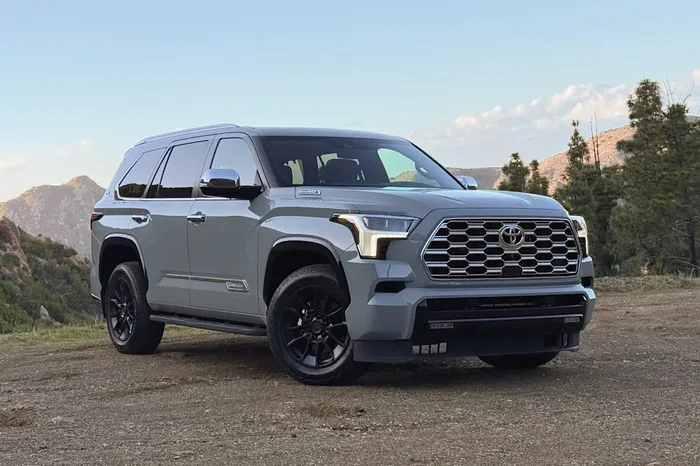
Not all Toyota Sequoias are created equal. Different generations have different strengths and weaknesses. The first generation (2001-2007) is known for its simplicity and ease of repair. The second generation (2008-2022) introduced more advanced features but also more complexity. The third generation (2023 and newer) brings updated technology and improved efficiency.
Some model years have known issues that owners should be aware of. For example, certain early 2000s models had issues with the rear axle. Newer models have had occasional reports of infotainment system glitches. Researching your specific model year helps you stay ahead of potential problems.
## Common Toyota Sequoia Problems by Mileage
Every vehicle develops issues over time. The Toyota Sequoia is no exception. Knowing what to expect at different mileage milestones helps you prepare and budget for repairs.
### Under 50,000 Miles
At lower mileage, the Sequoia is typically in excellent shape. Most owners will only need routine maintenance during this phase. Common issues in this range include:
- Minor brake pad wear
- Occasional electrical gremlins
- Normal suspension wear
This is the easiest phase of ownership. Your Sequoia should feel strong, reliable, and ready for anything.
### 50,000 to 100,000 Miles
This is when some wear items start to show. The Sequoia maintenance schedule becomes more important during this phase. Common issues include:
- Transmission fluid degradation
- Brake rotor wear
- Suspension bushing deterioration
- Spark plug fouling
Staying on top of fluid changes and inspections during this phase pays off significantly. Many Sequoias sail through 100,000 miles with only minor issues.
### 100,000 to 200,000 Miles
This is the high-mileage phase where more significant repairs may appear. The Toyota Sequoia engine life is generally excellent, but some components may need attention. Common issues include:
- Timing chain stretch (rare but possible)
- Rear differential fluid leaks
- Exhaust manifold cracks
- Suspension component wear
- Water pump failure
These repairs can be expensive, but they are not unusual for a vehicle at this age. Budgeting for major maintenance after 100,000 miles is a smart move for any Sequoia owner.
### Beyond 200,000 Miles
Vehicles that reach 200,000 miles often need more frequent repairs. However, the core engine and transmission usually remain strong. At this stage, the biggest challenges are typically:
- Rust and corrosion
- Worn interior components
- Aging electrical systems
- Multiple suspension repairs
Many owners find that the Toyota Sequoia reliability remains solid even at very high mileage. The key is addressing small problems before they become big ones.
## Maintenance Tips to Extend Your Sequoia’s Life
Proper maintenance is the secret to a long-lasting Toyota Sequoia. Here are some practical tips that every owner should follow.
### Stick to the Maintenance Schedule
The owner’s manual contains a detailed maintenance schedule for a reason. Following it to the letter is the best thing you can do for your vehicle. Do not skip oil changes, fluid flushes, or inspections. Each service interval exists for a specific purpose.
### Use Quality Parts and Fluids
Using OEM Toyota parts and recommended fluids makes a real difference. Aftermarket parts vary widely in quality. Cheap fluids may not provide the same level of protection. When it comes to your Sequoia’s longevity, quality matters.
### Address Problems Early
One of the biggest mistakes owners make is ignoring warning signs. A strange noise, a warning light, or a slight change in performance should never be ignored. Early diagnosis and repair save money and prevent cascading damage.
### Keep the Truck Clean
This tip applies especially to Sequoias in harsh climates. Regular washing removes salt, dirt, and debris that cause corrosion. Pay special attention to the undercarriage. A clean Sequoia is a longer-lasting Sequoia.
### Drive with Care
Aggressive driving accelerates wear on every component. Hard acceleration, abrupt braking, and speeding put extra stress on the engine, transmission, and brakes. Smooth, steady driving extends the Toyota Sequoia lifespan significantly.
### Quick Tips for Longevity
- Check tire pressure weekly for better fuel economy and tire life
- Inspect belts and hoses during every oil change
- Keep a maintenance log to track all services
- Warm up the engine gently in cold weather
- Avoid overloading the vehicle beyond its rated capacity
- Use a sunshade to protect the interior from UV damage
- Flush the cooling system according to the schedule
## Toyota Sequoia Reliability Compared to Other SUVs
The Toyota Sequoia reliability is one of the main reasons it stands out in the full-size SUV segment. Let us compare it briefly with some competitors.
### Sequoia vs. Chevrolet Tahoe
The Tahoe is a popular full-size SUV, but it has a more complex powertrain than the Sequoia. The Tahoe uses a smaller V8 with a 10-speed automatic transmission. While it is a capable vehicle, the additional complexity can lead to more repair needs over time. The Sequoia’s simpler design often translates to fewer problems at high mileage.
### Sequoia vs. Ford Expedition
The Expedition offers impressive towing capacity and modern features. However, Ford vehicles have historically required more frequent repairs than Toyotas. The average life of a Toyota Sequoia tends to exceed that of the Expedition by a meaningful margin.
### Sequoia vs. GMC Yukon
The Yukon shares its platform with the Tahoe and offers similar performance. Reliability ratings for the Yukon are decent but not as strong as Toyota’s. The Sequoia’s reputation for durability gives it a clear edge in long-term ownership.
### Why Toyota Leads in Reliability
Toyota’s approach to vehicle engineering prioritizes simplicity and proven technology. The company avoids unnecessary complexity that can lead to failures. The Toyota Sequoia engine life reflects this philosophy. The V8 engine in the Sequoia is a time-tested design that has been refined over decades.
## When Should You Replace Your Toyota Sequoia?
Knowing when to replace your Sequoia is just as important as knowing how to maintain it. Here are some signs that it might be time to consider a replacement.
### Major Engine or Transmission Failure
If your Sequoia requires a new engine or transmission, the repair cost may exceed the vehicle’s value. These are the most expensive repairs a vehicle can face. When the Toyota Sequoia engine life reaches a point where major repairs are needed, it is worth evaluating whether replacement makes more financial sense.
### Excessive Rust and Structural Damage
Rust that affects the frame or structural components is a serious safety concern. If your Sequoia has significant rust in critical areas, it may not be safe to continue driving. This is especially common in vehicles from northern states or coastal areas.
### Rising Maintenance Costs
As a vehicle ages, maintenance costs tend to increase. If you find yourself spending more on repairs than the vehicle is worth, it is time to evaluate your options. The Sequoia longevity is impressive, but even the best vehicles eventually reach a point where continued ownership is not practical.
### Changing Needs
Sometimes the reason to replace a Sequoia is not mechanical. If your family has grown and you need more seating, or if your needs have changed, upgrading to a newer model makes sense. Modern Sequoias offer improved safety features, technology, and efficiency.
## Conclusion
The average life of a Toyota Sequoia is impressive by any standard. With proper care, a Sequoia can comfortably last 200,000 to 300,000 miles or more. The combination of a durable V8 engine, simple and proven engineering, and strong Toyota reliability makes this full-size SUV a long-term companion for families and adventurers alike.
Regular maintenance is the foundation of a long-lasting Sequoia. Following the service schedule, using quality parts, and addressing problems early will keep your truck running strong for years. Driving habits and environmental factors also play a role, so be mindful of how you use and store your vehicle.
Whether you are a current Sequoia owner or considering buying one, understanding the vehicle’s expected lifespan helps you make informed decisions. The Toyota Sequoia is built to last, and with the right care, it will reward you with years of dependable service. Take care of your Sequoia, and it will take care of you for a very long time.
Key Takeaways
- Long Lifespan: A well-maintained Toyota Sequoia can last 200,000 to 300,000 miles or more.
- Strong Engine: The V8 engine in the Sequoia is known for durability and long-term reliability.
- Maintenance Matters: Following the recommended maintenance schedule is the single biggest factor in extending your Sequoia’s life.
- Common Issues Exist: Certain problems like transmission wear and suspension components tend to appear at higher mileage.
- Resale Value Holds Well: Toyota Sequoias retain strong resale value even as they age.
- Driving Habits Count: How you drive and what conditions you operate in directly impact longevity.
- Parts Availability: Toyota parts are widely available, making repairs affordable and accessible.
Frequently Asked Questions
What is the average life of a Toyota Sequoia in years?
With average annual mileage of 12,000 to 15,000 miles, a Toyota Sequoia typically lasts between 13 and 25 years. Proper maintenance and driving habits can extend this range significantly. Many owners report keeping their Sequoias for 20 years or more without major drivetrain issues.
Can a Toyota Sequoia last 300,000 miles?
Yes, a well-maintained Toyota Sequoia can absolutely last 300,000 miles or more. The V8 engine and overall build quality are designed for long-term durability. Owners who follow the maintenance schedule and drive responsibly are most likely to reach this milestone.
What is the most common problem with the Toyota Sequoia?
Common issues include suspension wear, transmission fluid degradation, and minor electrical problems at higher mileage. Some earlier models had rear axle concerns. However, these are manageable with regular maintenance and do not typically affect the overall Sequoia longevity.
Is the Toyota Sequoia reliable for long road trips?
Yes, the Toyota Sequoia is highly reliable for long road trips. Its powerful V8 engine, strong towing capability, and comfortable interior make it an excellent choice for extended travel. Just make sure to perform a pre-trip inspection of fluids, tires, and brakes before heading out.
How often should I service my Toyota Sequoia?
Toyota recommends oil changes every 5,000 to 7,500 miles and major service intervals at 30,000, 60,000, and 120,000 miles. Following the maintenance schedule in your owner’s manual is the best way to maximize your Sequoia’s lifespan. Regular fluid checks and inspections between services also help.
Does the Toyota Sequoia hold its value over time?
Yes, the Toyota Sequoia holds its value remarkably well. The vehicle’s reputation for reliability and longevity means used Sequoias remain in strong demand. Even higher-mileage examples often command fair prices on the used market, reflecting the Toyota Sequoia reliability that owners trust.