Are Toyota Trucks Any Good The Truth Buyers Need To Hear
Toyota trucks have earned a legendary reputation for durability and reliability. Whether you are looking at the Tacoma or Tundra, these vehicles consistently rank among the best in their class. This guide covers the real-world performance, known problems, resale value, and long-term ownership costs of Toyota trucks so you can make a confident buying decision.
Toyota trucks have built one of the strongest reputations in the automotive world. For decades, the brand has been synonymous with durability and dependability. When people search for Toyota trucks, they want to know if the hype is real. The short answer is yes, but there is more to the story than just reliability.
Buying a truck is a big decision. You spend thousands of dollars and expect it to last. Toyota trucks have proven time and again that they can handle heavy use, rough roads, and daily commuting with equal ease. But every brand has strengths and weaknesses. Understanding the full picture helps you make the best choice for your needs.
In this article, we break down everything you need to know. We cover the Tacoma and Tundra lineups, discuss real-world reliability, highlight common problems, and look at long-term ownership costs. By the end, you will have a clear picture of whether Toyota trucks deserve a spot on your shortlist.
Key Takeaways
- Toyota trucks are among the most reliable vehicles on the road: They consistently top reliability rankings and last well beyond 200,000 miles with proper care.
- The Tacoma remains the best-selling mid-size truck: Its strong resale value and off-road capability make it a top choice for many buyers.
- The Tundra has seen major improvements: The newer generation offers better towing, fuel economy, and modern technology than ever before.
- Common problems exist but are manageable: Being aware of known issues helps you avoid costly surprises down the road.
- Toyota trucks hold their value exceptionally well: Resale rates often outperform competitors by a wide margin.
- Cost of ownership is reasonable: Lower maintenance costs and strong durability keep long-term expenses manageable.
- The right Toyota truck depends on your needs: Consider size, towing capacity, fuel economy, and usage before deciding.
📑 Table of Contents
Why Toyota Trucks Have Earned a Strong Reputation
The Legacy of Reliability
Toyota has spent decades building a reputation for making vehicles that last. The company focuses on simplicity and proven engineering rather than flashy trends. This approach has paid off in a big way. Toyota trucks consistently rank at the top of reliability surveys from J.D. Power and Consumer Reports.
What makes Toyota vehicles so dependable? It comes down to a few key factors. First, Toyota engineers their trucks with high-quality materials. Second, they use conservative but proven technology. Third, they test their vehicles under extreme conditions before release. The result is a truck that keeps running long after competitors have moved on.
Many Toyota truck owners report crossing the 200,000-mile mark without major issues. Some even reach 300,000 miles with only routine maintenance. This kind of longevity is rare in the truck world and is a major reason why Toyota trucks remain so popular.
Real-World Performance and Durability
Reliability numbers are one thing, but real-world performance tells the full story. Toyota trucks are used by farmers, construction workers, off-road enthusiasts, and daily commuters alike. They handle towing, hauling, and rough terrain with confidence.
The Toyota truck frame is known for being exceptionally strong. Many owners use their Tacomas and Tundras as workhorses on job sites. The trucks endure heavy loads and harsh conditions without complaint. This real-world toughness adds to the brand’s credibility.
Another factor that boosts the reputation of Toyota trucks is their resale value. Used Toyota trucks command premium prices compared to competitors. This means you lose less money when it is time to sell or trade in. The strong resale market also makes Toyota trucks a smart financial choice.
Toyota Tacoma: The Mid-Size Truck That Dominates
What Makes the Tacoma Stand Out
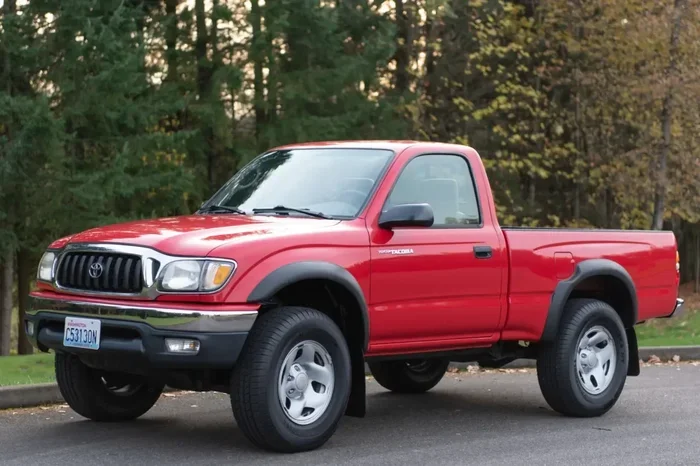
The Toyota Tacoma has been the best-selling mid-size truck for years, and for good reason. It offers a perfect balance of capability, comfort, and reliability. Whether you need a truck for work or play, the Tacoma delivers in nearly every area.
The Tacoma comes in several configurations to suit different needs. You can choose from regular cab, access cab, or double cab options. Bed lengths vary as well, giving you flexibility for hauling gear or equipment. This wide range of options means there is a Tacoma for almost everyone.
Under the hood, the Tacoma offers a solid engine lineup. The current generation features a 2.4-liter turbocharged four-cylinder that delivers strong performance and decent fuel economy. For those who need more power, a V6 option is available in older models. The Tacoma also offers a capable Toyota truck towing capacity that handles trailers, boats, and campers with ease.
Off-Road Capability
One area where the Tacoma truly shines is off-road performance. The TRD Off-Road and TRD Pro trims come with locking differentials, skid plates, and specialized suspension systems. These features make the Tacoma a formidable trail companion.
Many off-road enthusiasts consider the Tacoma one of the best trucks for rugged adventures. Its ground clearance, approach angle, and durability make it a top choice. If you plan to explore trails or tackle challenging terrain, a Toyota Tacoma should be at the top of your list.
Known Tacoma Issues to Be Aware Of
While the Tacoma is highly reliable, it is not perfect. Some common issues have been reported over the years. Older models sometimes experience transmission hesitation or rough shifting. Certain 2016-2019 model years had reports of steering rack issues.
Another area of concern involves the rear differential on some TRD models. A few owners have reported premature wear. However, these issues are relatively rare and are usually covered under warranty. Staying on top of regular maintenance helps prevent most problems before they start.
Toyota Tundra: The Full-Size Workhorse
New and Improved Tundra
The Toyota Tundra has undergone a major transformation in recent years. The latest generation, introduced in 2022, brings significant upgrades in power, technology, and comfort. Toyota listened to customer feedback and delivered a truck that competes strongly with full-size rivals.
The new Tundra features a 3.4-liter twin-turbo V6 engine that produces impressive horsepower and torque. This powertrain provides strong towing capability and smooth acceleration. The engine is paired with a ten-speed automatic transmission that shifts seamlessly under load.
For buyers who care about efficiency, Toyota also introduced a hybrid version of the Tundra. The i-FORCE MAX hybrid system delivers strong performance while improving fuel economy. This is a notable step forward for a full-size truck, and it shows Toyota’s commitment to innovation in the Toyota truck lineup.
Towing and Hauling Performance
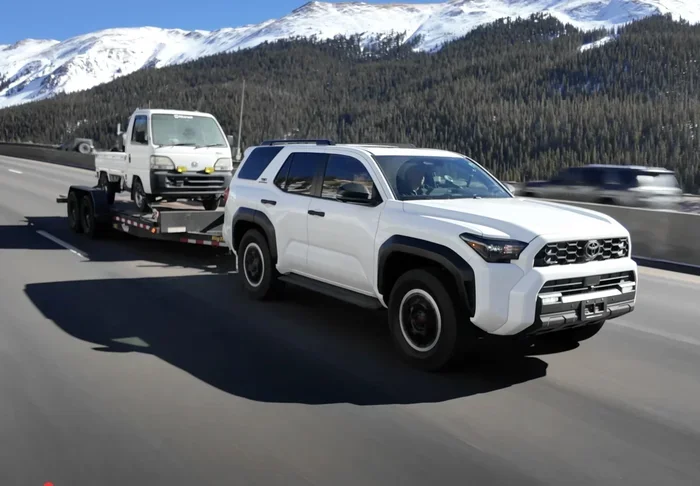
The Tundra is built for serious work. Its Toyota truck towing capacity reaches up to 13,500 pounds when properly equipped. This makes it capable of hauling large trailers, horse trailers, and equipment loads with confidence.
Payload capacity is also strong, allowing the Tundra to handle heavy cargo in the bed. The truck comes with features like integrated trailer brake controllers and multi-terrain select modes. These additions make towing safer and more manageable, even for less experienced drivers.
Interior and Technology
Inside the Tundra, Toyota has raised the bar significantly. The cabin features high-quality materials, comfortable seating, and a spacious layout. The infotainment system includes a large touchscreen with Apple CarPlay and Android Auto integration.
Safety technology is also well represented. The Tundra comes standard with Toyota Safety Sense, which includes adaptive cruise control, lane departure warning, and automatic emergency braking. These features make the Tundra not only a capable work truck but also a safe daily driver.
Reliability and Common Problems to Watch
Overall Reliability Ratings
When it comes to reliability, Toyota trucks consistently earn top marks. J.D. Power rates Toyota vehicles above average in dependability. Consumer Reports gives many Toyota models high predicted reliability scores.
The Tacoma has been a long-standing reliability champion. The Tundra has improved significantly with the new generation. Both trucks benefit from Toyota’s proven powertrains and conservative engineering approach. This focus on proven technology reduces the risk of unexpected failures.
However, no vehicle is completely problem-free. Even the most reliable trucks can develop issues over time. Being aware of potential problems helps you address them early and avoid costly repairs.
Common Problems Across Model Years
Some issues have been reported across various Toyota truck models and years. Here are a few to keep in mind:
- Transmission concerns: Some older Tacoma models experienced transmission hesitation or rough shifts, particularly around 100,000 miles.
- Oil consumption: Certain Tundra V8 engines have shown higher-than-normal oil consumption in some cases.
- Rust potential: Trucks exposed to road salt or harsh climates may develop surface rust over time, especially on the bed and wheel wells.
- Electrical gremlins: Occasional reports of infotainment glitches or sensor malfunctions have appeared in some model years.
- Suspension wear: Heavy use can lead to faster wear on shocks and bushings, particularly on trucks used for towing frequently.
Most of these issues are manageable and can be addressed with regular maintenance. Buying a certified pre-owned Toyota truck with a remaining warranty also provides extra peace of mind.
Maintenance Tips for Longevity
Proper maintenance is the key to getting the most out of your Toyota truck. Follow the manufacturer’s recommended service schedule and use quality fluids and parts. Here are some tips to keep your truck running strong:
- Change the oil every 5,000 to 7,500 miles with the recommended grade.
- Check the transmission fluid regularly and replace it at the recommended interval.
- Inspect the brakes, suspension, and steering components during every service visit.
- Keep the undercarriage clean, especially if you live in a salt-prone area.
- Address any unusual noises or warning lights promptly before they become bigger problems.
Following these simple steps can help your Toyota truck easily surpass 200,000 miles. Many owners report that their trucks remain strong and dependable well past the 300,000-mile mark with consistent care.
Resale Value and Long-Term Cost of Ownership
Why Toyota Trucks Hold Their Value
One of the biggest advantages of owning a Toyota truck is its resale value. Toyota trucks consistently rank among the top brands for holding value. This is due to their strong reputation for reliability and durability.
When you buy a Toyota truck, you are making a smart financial investment. The truck will depreciate more slowly than most competitors. This means you lose less money when it comes time to sell or trade in. Over the life of ownership, the strong resale value can save you thousands of dollars.
The used market for Toyota trucks is also very strong. Buyers are willing to pay a premium for well-maintained Tacomas and Tundras. This demand keeps prices high even for older model years. It also means your truck will be easy to sell when you are ready for a new one.
Comparing Cost of Ownership
Let us look at how Toyota trucks compare to competitors in terms of long-term costs. The table below shows a general comparison of key ownership factors:
- Toyota Tacoma vs. Ford Ranger: The Tacoma typically holds its value better and has lower maintenance costs over time.
- Toyota Tundra vs. Ford F-150: The F-150 offers more engine options, but the Tundra often wins on long-term reliability and resale.
- Toyota Tacoma vs. Chevrolet Colorado: The Tacoma has stronger resale value and a more proven track record for durability.
- Toyota Tundra vs. Ram 1500: The Ram offers a smoother ride, but the Tundra is generally more reliable and cheaper to maintain.
While purchase prices may be slightly higher for Toyota trucks, the lower cost of ownership over time often makes up the difference. Fewer repairs, better fuel economy on some models, and stronger resale value all contribute to a lower total cost of ownership.
Who Should Buy a Toyota Truck
Matching the Truck to Your Needs
Not everyone needs the same type of truck. Understanding your needs helps you choose the right Toyota truck for your lifestyle. Here are some scenarios where a Toyota truck makes a great choice:
- Daily commuters who occasionally haul: The Tacoma offers a comfortable ride and good fuel economy for daily driving, while still being capable when you need to haul gear or equipment.
- Off-road enthusiasts: The Tacoma TRD Pro and Tundra TRD Pro models come with everything you need for serious trail adventures.
- Work truck users: The Tundra’s towing capacity and payload make it ideal for contractors, ranchers, and anyone who needs to haul heavy loads regularly.
- Families who need a versatile vehicle: The double cab Tacoma or crew cab Tundra offers spacious seating and plenty of cargo room for family outings and weekend trips.
- Long-term owners: If you plan to keep your truck for many years, Toyota’s legendary reliability means fewer surprises and lower long-term costs.
The Toyota Truck Buyer’s Checklist
Before you buy, use this checklist to make sure you are making the right choice:
- Determine your primary use for the truck (work, recreation, daily driving).
- Consider the towing and payload capacity you actually need.
- Evaluate fuel economy, especially if you have a long commute.
- Set a budget that includes purchase price, insurance, fuel, and maintenance.
- Research model years and trim levels to find the best value.
- Test drive multiple configurations to find the right fit for your needs.
- Check the vehicle history report if buying used.
- Consider certified pre-owned options for added warranty protection.
Following this checklist helps you avoid common buying mistakes and ensures you find a Toyota truck that truly fits your life. The right truck should feel like a natural extension of your daily routine, not a compromise.
Toyota Trucks in the Competitive Landscape
How Toyota Stacks Up Against the Competition
The truck market is fiercely competitive. Brands like Ford, Chevrolet, Ram, and Nissan all offer strong options. So where do Toyota trucks fit in? They occupy a unique position that prioritizes reliability and long-term value over flashy features or raw power numbers.
Ford’s F-Series is the best-selling truck line in America and offers incredible variety. Chevrolet’s Silverado provides strong towing and a refined ride. Ram trucks excel in interior comfort and ride quality. Each competitor brings something different to the table.
But Toyota trucks focus on what matters most to many buyers: dependability. When you buy a Toyota truck, you are buying peace of mind. You know the truck will start every morning, handle the work you throw at it, and remain valuable when you decide to move on. This focus on the basics has made Toyota a favorite among truck buyers who value substance over style.
The Verdict: Are Toyota Trucks Any Good?
The answer is a resounding yes. Toyota trucks deliver on reliability, durability, and long-term value. The Tacoma remains the gold standard in the mid-size truck segment. The Tundra has evolved into a strong full-size contender that competes with the best in the industry.
No truck is perfect for every person. If you prioritize cutting-edge technology or luxury features, some competitors may offer more. But if you want a truck that will keep running for years, hold its value, and cost less to own over time, Toyota is hard to beat.
The truth buyers need to hear is that Toyota trucks are a smart choice for most people. They may not always be the flashiest option on the lot, but they are consistently among the best. When you invest in a Toyota truck, you are investing in years of dependable service and strong resale value.
Take your time, do your research, and test drive the models that interest you. Whether you choose the Tacoma or the Tundra, you will be getting a truck with a proven track record of excellence. That is something worth feeling confident about.
Frequently Asked Questions
Are Toyota trucks reliable for daily driving?
Yes, Toyota trucks are excellent for daily driving. The Tacoma and Tundra offer comfortable cabins, modern technology, and smooth rides that make them ideal for commuting and everyday use. Their proven reliability means fewer unexpected trips to the shop.
What is the average lifespan of a Toyota truck?
With proper maintenance, Toyota trucks commonly last 200,000 to 300,000 miles or more. Many owners report their Tacomas and Tundras reaching 300,000 miles without major engine or transmission issues. Regular oil changes and timely servicing play a big role in extending the lifespan.
How does the Toyota Tacoma compare to the Ford Ranger?
The Tacoma generally offers better resale value and long-term reliability than the Ford Ranger. The Ranger may have a lower starting price and a slightly more refined ride in some trims. However, the Tacoma’s proven durability and strong used market make it a better long-term investment for most buyers.
Do Toyota trucks have good towing capacity?
Yes, Toyota trucks offer competitive towing capacities. The Tacoma can tow up to 6,500 pounds depending on the configuration. The Tundra can tow up to 13,500 pounds, making it capable of handling large trailers and heavy loads with confidence.
Are Toyota trucks expensive to maintain?
Toyota trucks are generally affordable to maintain. Parts are widely available, and the vehicles are designed for easy servicing. Routine maintenance costs are comparable to other brands, and the low frequency of major repairs keeps long-term costs low.
Should I buy a new or used Toyota truck?
It depends on your budget and priorities. A new Toyota truck comes with the latest features and a full warranty. A used Toyota truck offers better value and still provides excellent reliability. Certified pre-owned models give you the best of both worlds with warranty coverage and lower prices.
=== CONCLUSION ===
Toyota trucks have earned their place at the top of the truck market through decades of proven reliability and durability. Whether you choose the versatile Tacoma or the powerful Tundra, you are getting a truck built to last. The real-world performance, strong resale value, and low cost of ownership make Toyota trucks a smart choice for a wide range of buyers.
No truck is perfect, and every brand has its strengths and weaknesses. But when it comes to long-term dependability, Toyota consistently delivers. The truth buyers need to hear is that Toyota trucks are a worthwhile investment that pays off year after year.
Take the time to research the model that fits your needs, test drive it thoroughly, and make a confident decision. A Toyota truck is not just a vehicle, it is a reliable partner for whatever challenges and adventures lie ahead.