Does Car Insurance Cover Animal Damage to Your Vehicle
Does car insurance cover animal damage? The answer depends on your policy type. Comprehensive car insurance typically covers animal damage, while basic liability coverage usually does not. Understanding your auto insurance policy and filing a claim correctly can save you thousands in car repair costs after an animal collision.
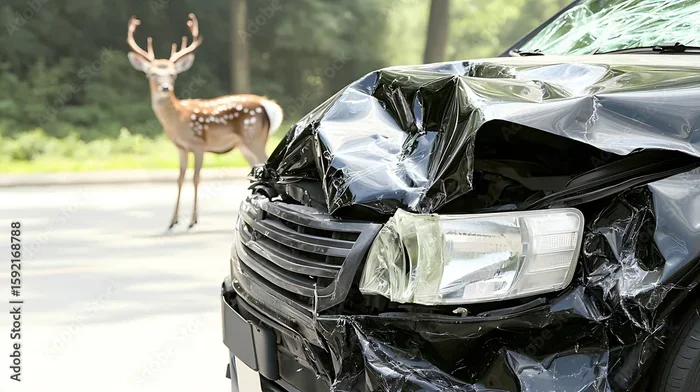
You are driving home after a long day. The road is quiet. Then, out of nowhere, a deer leaps in front of your car. You slam the brakes. There is a loud thud. Your heart is racing. Your car is damaged. Now the real worry sets in: will your car insurance cover animal damage?
This is a question many drivers face every year. Animal collisions are more common than most people think. In fact, millions of animal accidents happen on U.S. roads annually. Deer, elk, dogs, and even livestock can cause serious vehicle damage. The cost of repairs can range from a few hundred dollars to several thousand. Knowing whether your insurance coverage helps is essential.
Does car insurance cover animal damage to your vehicle? The short answer is: it depends on your policy. But the full answer is more nuanced. This guide breaks everything down for you. We will cover what types of coverage apply, how to file a claim, common mistakes to avoid, and practical tips to prevent animal damage in the first place.
Key Takeaways
- Comprehensive coverage is key: Most standard policies do not cover animal damage unless you have comprehensive car insurance.
- Deer collisions are common: They account for the majority of animal-related vehicle damage and insurance claims each year.
- Your deductible matters: You will pay your comprehensive deductible before insurance kicks in for animal damage repairs.
- File quickly: Reporting animal damage to your insurer promptly strengthens your claim and speeds up reimbursement.
- Prevention helps: Simple driving habits can reduce your risk of animal collisions and keep your car insurance rates stable.
- Liability coverage won’t help here: It only covers damage you cause to others, not damage to your own vehicle from animals.
📑 Table of Contents
- What Does Car Insurance Cover When Animals Damage Your Vehicle?
- How Comprehensive Coverage Protects You from Animal Damage
- What Happens When You Hit an Animal with Your Car?
- How to File an Animal Damage Insurance Claim
- Common Types of Animal Damage to Vehicles
- Tips to Prevent Animal Damage and Save on Car Insurance
- Does Car Insurance Cover Animal Damage? The Final Answer
What Does Car Insurance Cover When Animals Damage Your Vehicle?
Understanding your auto insurance policy is the first step. Not all policies are the same. Different types of coverage handle different situations. Let us look at what applies to animal damage.
Collision Coverage vs. Comprehensive Coverage
Most car owners have two main types of coverage: collision and comprehensive. These two serve very different purposes.
Collision coverage pays for damage when you crash into another vehicle or object. It covers accidents you cause. But here is the catch. It generally does not cover animal damage.
Comprehensive coverage is the one that helps with animal collisions. It covers damage from events beyond your control. This includes theft, vandalism, weather, and yes, wildlife collisions. If a deer hits your car, comprehensive coverage is what pays for the repairs.
| Coverage Type | Covers Animal Damage? | What It Typically Covers |
|---|---|---|
| Liability Coverage | No | Damage you cause to others, not your own vehicle |
| Collision Coverage | Rarely | Crashes with other vehicles or fixed objects |
| Comprehensive Coverage | Yes | Animal collisions, theft, vandalism, weather damage |
Why Liability Coverage Does Not Help with Animal Damage
Liability coverage is the most basic part of any insurance policy. It is often required by law. But it only covers damage you cause to other people or their property. If you hit a deer, your car takes the hit. Since you are not at fault for the deer being on the road, liability coverage does not apply. This is why comprehensive coverage is so important for animal protection.
Quick Tips: Check Your Policy Today
- Call your insurer and ask if you have comprehensive coverage.
- Know your comprehensive deductible. This is what you pay out of pocket.
- Review your policy limits to understand maximum payout amounts.
- Ask about gap coverage if you still owe money on your car loan.
How Comprehensive Coverage Protects You from Animal Damage
Comprehensive coverage is sometimes called “other than collision” coverage. It is designed to protect your vehicle from things you cannot control. Animal damage falls squarely into this category.
What Does Comprehensive Coverage Include?
Comprehensive coverage handles a wide range of non-collision events. Here are some common examples:
- Deer collisions: The most frequent type of animal damage claim.
- Dog bites to vehicles: Dogs can scratch or dent your car, especially in neighborhoods.
- Rodent damage: Mice and squirrels can chew through wires and insulation.
- Bird damage: Bird droppings can ruin paint. Large birds can crack windshields.
- Livestock collisions: Cows, horses, and goats on rural roads can cause major damage.
When you file a comprehensive claim for animal damage, your insurer pays for repairs minus your deductible. For example, if repairs cost 2,500 dollars and your deductible is 500 dollars, you receive 2,000 dollars.
Understanding Your Deductible for Animal Claims
Your car insurance deductible is the amount you pay before your coverage kicks in. Deductibles for comprehensive coverage typically range from 250 to 1,000 dollars. Choosing a higher deductible lowers your premium but means more out-of-pocket cost when a claim happens.
Think about this carefully. If you live in an area with frequent deer crossings, a lower deductible might save you money in the long run. On the other hand, if you rarely drive through wooded areas, a higher deductible could keep your car insurance rates more affordable.
Common Mistakes to Avoid After an Animal Accident
After hitting an animal, many drivers make costly mistakes. Here are the ones to avoid:
- Leaving the scene: Always stop and assess the situation. Leaving could be considered a hit-and-run.
- Not taking photos: Photos of the damage are crucial evidence for your claim.
- Delaying your report: Contact your insurer as soon as possible. Delays can weaken your claim.
- Not checking for injuries: Even small animals can cause you to swerve and injure yourself or others.
- Attempting risky repairs yourself: Let your insurer guide you on approved repair shops.
What Happens When You Hit an Animal with Your Car?
Hitting an animal is a stressful experience. Your adrenaline spikes. Your car may be damaged. Knowing what to do next can make a huge difference in how smoothly the claim process goes.
Step-by-Step: What to Do After an Animal Collision
- Pull over safely. Turn on your hazard lights. Check for injuries to yourself and passengers.
- Do not approach the animal. Even injured deer can be dangerous. Keep your distance.
- Document everything. Take photos of your vehicle damage, the road, and the scene.
- Call the police. A police report strengthens your insurance claim. It also helps with any road hazards the animal may have caused.
- Contact your insurance company. Report the incident as soon as possible. Provide all documentation.
- Get your car inspected. Visit a trusted repair shop or your insurer-approved mechanic.
Hitting a Deer vs. Hitting a Smaller Animal
Not all animal collisions are the same. Deer collisions tend to be the most expensive. A single deer accident can cause thousands of dollars in damage. Common repairs include a damaged bumper, radiator, headlights, and hood. In severe cases, the engine can be damaged.
Smaller animals like raccoons, dogs, or foxes usually cause less severe damage. You might see dents, scratches, or a cracked windshield. However, even small animal damage can add up if it affects important components like sensors or cameras on modern vehicles.
Expert Insights: What Adjusters Look For
Insurance adjusters review every claim carefully. They look for proof that the damage was caused by an animal. This is why documentation is so important. Clear photos, a police report, and a detailed description of the incident all help. Adjusters also check for patterns. If you file multiple animal damage claims in a short period, they may review your risk profile. This could affect your car insurance rates in the future.
How to File an Animal Damage Insurance Claim
Filing a claim for animal damage is similar to filing other comprehensive claims. But there are specific steps you should follow to ensure a smooth process.
Before You File: Gather Your Information
Before calling your insurer, gather everything you need. This saves time and reduces back-and-forth. Here is what to have ready:
- Your policy number
- Photos of the damage
- Police report number (if applicable)
- Date, time, and location of the incident
- Description of the animal involved
- Witness contact information (if any)
Step-by-Step Guide to Filing Your Claim
- Call your insurance provider. Report the incident and let them know you are filing a comprehensive claim for animal damage.
- Get a claim number. This is your reference for all follow-up communication.
- Schedule an inspection. Your insurer may send an adjuster or direct you to an approved repair shop.
- Get repair estimates. Ask for a detailed estimate from a licensed mechanic.
- Approve repairs. Once your insurer approves the estimate, proceed with the repairs.
- Pay your deductible. You pay this amount directly to the repair shop.
- Receive your payout. Your insurer covers the remaining cost up to your policy limit.
How Long Does the Claim Process Take?
Most animal damage claims are resolved within a few weeks. Simple repairs like dents or scratches may be faster. Major damage involving structural or mechanical repairs can take longer. The key is to stay organized and respond quickly to your insurer’s requests.
Key Takeaways on the Claim Process
- Always report animal damage promptly. Do not wait days or weeks.
- Documentation is your best friend. Photos and police reports matter.
- Your comprehensive deductible is your responsibility to pay.
- Use insurer-approved repair shops when possible. This streamlines the process.
- Keep records of all communication with your insurance company.
Common Types of Animal Damage to Vehicles
Animals come in all shapes and sizes. The type of animal you encounter affects the kind of damage your vehicle sustains. Let us break down the most common scenarios.
Deer Collisions: The Most Expensive Animal Damage
Deer are the number one cause of animal-related vehicle damage in the United States. The Insurance Institute for Highway Safety reports that there are over 1.5 million deer-vehicle collisions each year. These accidents result in billions of dollars in damage annually.
Deer are large and heavy. When they collide with a vehicle, the impact is significant. The front end of the car absorbs most of the force. This means the bumper, grille, headlights, and radiator are often damaged. In serious collisions, the engine block can be compromised.
Deer collisions also happen most often in the fall and winter. The mating season, known as the rut, increases deer activity. Dawn and dusk are the most dangerous times. If you drive through rural or wooded areas frequently, your risk is higher.
Smaller Animals That Can Cause Serious Damage
Do not underestimate smaller animals. Even a raccoon or a coyote can cause meaningful vehicle damage. Here are some examples:
- Rodents: Mice and squirrels love to nest in car engines. They chew through wires, insulation, and hoses. This can lead to expensive electrical repairs.
- Birds: Large birds like hawks and owls can crack windshields with their talons or beaks. Bird droppings are acidic and can damage paint if not cleaned quickly.
- Dogs: Loose dogs in neighborhoods can jump on parked cars, causing dents and scratches. In some cases, dogs running alongside moving cars can cause drivers to swerve.
- Livestock: Cattle, horses, and pigs on rural roads can cause severe frontal damage if struck at highway speeds.
Rodent Damage: A Hidden and Costly Problem
Rodent damage is one of the most overlooked types of animal damage. Mice and rats are attracted to the warmth of car engines. They chew on wires and insulation, which can cause electrical failures. Some auto insurance policies include rodent damage under comprehensive coverage, but this varies by insurer. Always check with your provider.
Tips to Prevent Animal Damage and Save on Car Insurance
Prevention is always better than repair. While you cannot control whether an animal appears on the road, you can take steps to reduce your risk. And reducing your risk can also help keep your car insurance rates lower.
Defensive Driving Tips for Animal-Prone Areas
- Stay alert at dawn and dusk. Most animals are most active during these times.
- Use high beams when safe. They help you spot animals earlier on dark roads.
- Watch for signs. Deer crossing signs are placed in high-risk areas. Take them seriously.
- Do not swerve suddenly. Swerving can cause you to lose control or hit another vehicle. Brake firmly and stay in your lane.
- Drive slower in rural areas. Lower speeds give you more time to react.
- Travel in groups when possible. Animals are more likely to move away from a group of vehicles.
How Animal Damage Affects Your Car Insurance Rates
Filing a comprehensive claim for animal damage can affect your rates. However, the impact is usually less severe than a collision claim. Many insurers view animal collisions as no-fault events. This means your rates may not go up at all, depending on your state and insurer.
That said, filing multiple claims in a short period can raise red flags. If you live in an area with high animal activity, consider raising your deductible to offset potential rate increases. You can also ask your insurer about accident forgiveness programs.
Quick Tips to Protect Your Vehicle from Animal Damage
- Install a deer whistle on your vehicle. Some studies suggest they deter deer.
- Use rodent deterrent tape or peppermint oil near your engine bay.
- Park in enclosed garages when possible.
- Keep your car clean. Food residue attracts animals.
- Use a car cover if you park outdoors in areas with wildlife.
Does Car Insurance Cover Animal Damage? The Final Answer
So, does car insurance cover animal damage to your vehicle? The answer comes down to the type of coverage you have. If you carry comprehensive car insurance, you are generally protected against animal damage. This includes deer collisions, rodent damage, bird strikes, and livestock accidents.
If you only have liability coverage or basic collision coverage, you are likely on your own. Animal damage falls outside the scope of those policies. This is why understanding your insurance policy inside and out is so important.
Filing a claim correctly and promptly can make all the difference. Document everything. Know your deductible. Use approved repair shops. And take preventive steps to reduce your risk of future animal collisions.
Animal damage is a reality of driving, especially in rural and wooded areas. Being prepared with the right coverage gives you peace of mind. It ensures that when the unexpected happens, you are not left paying thousands of dollars out of pocket for car repair costs.
Take the time today to review your policy. Talk to your insurance agent. Ask questions. Make sure your auto insurance truly protects you from the unexpected. Because when a deer jumps in front of your car at midnight, you will be glad you did.
Frequently Asked Questions
Does car insurance cover animal damage if I have only liability coverage?
No. Liability coverage only pays for damage you cause to others. It does not cover damage to your own vehicle from animal collisions. You need comprehensive coverage for that protection.
Will filing an animal damage claim raise my car insurance rates?
It depends on your insurer and state. Many providers do not raise rates for comprehensive animal damage claims since they are considered no-fault events. However, filing multiple claims can still impact your premiums.
What should I do if I hit a deer with my car?
First, pull over safely and turn on your hazard lights. Do not approach the deer. Call the police to file a report. Then contact your insurance company and document all damage with photos. File your comprehensive claim as soon as possible.
Does comprehensive coverage pay for rodent damage inside my car?
Most comprehensive policies do cover rodent damage, including chewed wires and insulation. However, coverage details vary by insurer. Check your policy or ask your agent to confirm that rodent damage is included.
What is the average cost of repairing deer damage to a vehicle?
Deer collision repairs can range from 1,500 dollars for minor damage to over 5,000 dollars for severe impacts. The cost depends on the vehicle model, the extent of damage, and which parts need replacement.
Can I prevent animal collisions while driving at night?
Yes. Use high beams when there is no oncoming traffic. Stay alert on roads near wooded areas. Slow down during dawn and dusk when animals are most active. Consider installing a deer whistle and always brake firmly rather than swerving.