Can the Nissan Rogue Tow Everything You Need to Know
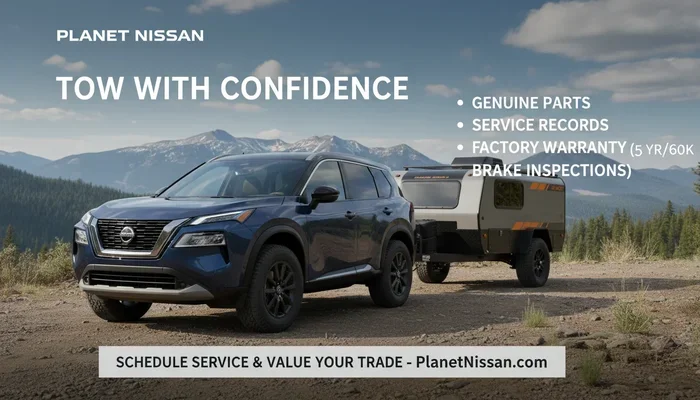
The Nissan Rogue can tow, but its capacity is limited compared to larger SUVs. Most model years offer a towing capacity between 1,100 and 1,500 pounds when properly equipped. Understanding your Rogue’s towing limits, hitch requirements, and safety essentials is critical before hitting the road.
The Nissan Rogue is one of the most popular compact SUVs on the road today. It is known for its sleek design, spacious interior, and reliable performance. But one question comes up again and again: can the Nissan Rogue tow? The short answer is yes. But the full answer involves understanding towing capacity, equipment needs, and safety practices that every Rogue owner should know.
If you are planning a camping trip, hauling a small trailer, or pulling a jet ski, your Nissan Rogue might be up to the task. However, towing is not something you should take lightly. Every vehicle has limits, and the Nissan Rogue towing capacity is no exception. Going beyond those limits can damage your engine, strain your brakes, and create serious safety risks on the road.
This guide breaks down everything you need to know about towing with a Nissan Rogue. From towing specs and hitch requirements to safety tips and common mistakes, you will find practical advice you can use right away. We will also compare the Rogue to other compact SUVs and answer the most frequently asked questions about Rogue towing. By the end, you will feel confident and prepared to tow safely with your Nissan Rogue.
Key Takeaways
- Towing Capacity: The Nissan Rogue can tow up to 1,500 pounds when equipped with the proper tow package and hitch.
- Trim Matters: Not all Rogue trims support towing. S and SV trims may require additional equipment, while SL and Platinum models often include a factory tow package.
- Hitch Installation Is Essential: A proper tow hitch, wiring harness, and brake controller are non-negotiable for safe towing.
- Weight Distribution Is Critical: Exceeding the Rogue’s payload or tongue weight limits can damage the vehicle and create dangerous driving conditions.
- Safety First: Always check your owner’s manual, verify hitch compatibility, and practice towing in a safe area before long trips.
- Regular Maintenance Matters: Towing puts extra strain on your Rogue’s engine, transmission, and brakes. Stay on top of service intervals.
- Know the Regulations: Different states have different towing laws. Familiarize yourself with local towing regulations before you travel.
📑 Table of Contents
Understanding the Nissan Rogue Towing Capacity
The first thing every potential tower needs to know is the Nissan Rogue towing capacity. This number tells you the maximum weight your Rogue can safely pull behind it. Exceeding this limit is dangerous and can void your warranty. Let us break down the numbers by model year and trim level.
What Is the Towing Capacity of a Nissan Rogue?
The Nissan Rogue towing rating varies depending on the model year and trim. Here is a general overview of what you can expect:
- 2022-2024 Nissan Rogue: Towing capacity ranges from 1,100 to 1,500 pounds when equipped with the proper tow package.
- Earlier Model Years (2014-2021): Most Rogue models from this era also support towing up to 1,500 pounds with the correct equipment.
- Rogue Hybrid Models: Hybrid versions may have slightly different towing specs. Always check your specific owner’s manual for exact numbers.
These numbers assume the vehicle is properly equipped with a tow hitch, wiring harness, and any required braking systems. Your actual towing experience will also depend on road conditions, cargo weight distribution, and driving speed.
Rogue Towing Specs by Trim Level
Not every Nissan Rogue trim is created equal when it comes to compact SUV towing. The trim level you choose directly impacts whether towing is supported and what equipment is needed.
| Trim Level | Towing Capacity | Tow Package Included? | Additional Equipment Needed? |
|---|---|---|---|
| S | 1,100 lbs | No | Yes – hitch, wiring, brake controller |
| SV | 1,100-1,300 lbs | Optional | Yes – hitch and wiring required |
| SL | 1,500 lbs | Yes (factory) | Minimal – check hitch compatibility |
| Platinum | 1,500 lbs | Yes (factory) | Minimal – check hitch compatibility |
As you can see, higher trims like the SL and Platinum offer better towing support right out of the box. If you own a base S trim, you will need to invest in additional towing equipment to reach even the lower end of the Rogue towing limits.
Quick Tips
- Always consult your owner’s manual for the exact towing specs of your specific Rogue model year.
- Do not rely on online forums alone. Factory specifications are the most accurate source.
- If you buy a used Rogue, verify the towing package history with the previous owner or dealer.
Towing Packages and Equipment You Need
Knowing your Nissan Rogue towing capacity is only half the battle. You also need the right equipment to tow safely and legally. Let us walk through everything you need to get your Rogue ready for the road.
The Nissan Rogue Tow Package
The Nissan Rogue tow package is a factory-installed set of features designed specifically for towing. It typically includes a reinforced frame hitch, wiring harness, and cooling system upgrades. The tow package is standard on SL and Platinum trims but can be added to lower trims as an option.
If your Rogue does not have a factory tow package, you can still tow with aftermarket equipment. However, you need to be extra careful about compatibility and weight limits. Aftermarket tow hitch installation should always be done by a certified professional to ensure safety and proper fit.
Essential Towing Equipment for the Nissan Rogue
Beyond the tow package, there are several pieces of equipment you will need for safe towing with a SUV:
- Tow Hitch: A Class I or Class II hitch is suitable for most Rogue towing needs. Class I supports up to 2,000 pounds, while Class II supports up to 3,500 pounds.
- Wiring Harness: This connects your Rogue’s lights to your trailer. It is essential for brake lights and turn signals on the trailer.
- Brake Controller: A towing brake controller ensures your trailer brakes engage smoothly when you slow down. This is critical for heavier loads.
- Weight Distribution Hitch: For loads closer to the Rogue’s max towing limit, a weight distribution hitch helps balance the trailer weight across all axles.
- Trailer Wiring Mirror Extensions: These give you better visibility around the trailer, which is essential for safe lane changes and turns.
Tongue Weight and Trailer Hitch Weight Explained
One of the most overlooked aspects of Nissan Rogue towing is tongue weight. Tongue weight is the downward force the trailer puts on the hitch ball. As a general rule, tongue weight should be about 10-15 percent of the total trailer weight.
If your tongue weight is too high, it can push the rear of your Rogue down and reduce front-wheel traction. If it is too low, the trailer may sway dangerously at highway speeds. Always use a tongue weight scale to verify your setup before hitting the road.
Expert Insights
According to towing safety experts, the most common mistake Rogue owners make is underestimating tongue weight. A simple scale check at your local truck stop can prevent serious towing problems. Also, always distribute cargo evenly in your trailer to avoid imbalance.
How to Safely Tow with a Nissan Rogue
Towing with a compact SUV like the Nissan Rogue requires more attention than driving without a trailer. The added weight changes how your vehicle handles, brakes, and accelerates. Here is a detailed guide to safe towing practices.
Pre-Trip Safety Checks
Before every towing trip, go through this checklist to make sure everything is secure and working properly:
- Check your hitch connection and make sure it is tightly secured.
- Verify that all trailer lights, brake lights, and turn signals are working.
- Inspect your tire pressure on both the Rogue and the trailer.
- Confirm your cargo is evenly distributed and properly secured.
- Test your brake controller to ensure the trailer brakes respond correctly.
- Check your side mirrors for clear visibility around the trailer.
Driving Tips for Towing with a Nissan Rogue
Once you are on the road, your driving habits need to change. Towing affects braking distance, turning radius, and fuel economy. Here are some practical driving tips:
- Increase Following Distance: A loaded trailer adds significant weight, which means longer braking distances. Leave at least 6-8 seconds of following distance.
- Reduce Speed: Most experts recommend keeping your Nissan Rogue towing speed under 55-60 mph. Higher speeds increase trailer sway and put more stress on your engine.
- Use Lower Gears on Hills: When going uphill, downshift to maintain power. When going downhill, use engine braking to reduce strain on your brakes.
- Avoid Sudden Maneuvers: Make turns wide and slow. Abrupt lane changes or sharp turns can cause the trailer to swing out of control.
- Practice Before Your Trip: Find an empty parking lot and practice turning, braking, and reversing with your trailer before your actual trip.
Towing Regulations You Need to Know
Different states and provinces have different towing regulations. Some require safety chains, brake controllers, or specific mirror setups. Before your trip, check the towing laws for every state you will be driving through. This is especially important for cross-country trips where regulations may change.
Key Takeaways
- Safety Checks Save Lives: A pre-trip checklist takes 10 minutes but can prevent catastrophic failures on the road.
- Speed Matters: Slower speeds give you more control and reduce wear on your vehicle and trailer.
- Know the Law: Towing regulations vary by location. Always research before traveling across state or national borders.
Common Mistakes When Towing with a Nissan Rogue
Even experienced towers make mistakes. The Nissan Rogue is a capable vehicle, but it has clear limits. Here are the most common errors Rogue owners make when towing and how to avoid them.
Overloading the Trailer
The biggest mistake is exceeding the Rogue towing limits. It is tempting to pack everything you own into a trailer, but doing so puts extreme stress on your engine, transmission, and brakes. Overloading can also cause tire blowouts and loss of vehicle control.
Always weigh your trailer and cargo before you leave. Use a public scale at a truck stop or weigh station to get an accurate reading. If you are close to the max capacity, consider leaving some items behind or making multiple trips.
Ignoring Tongue Weight
As mentioned earlier, tongue weight is critical for stable towing. Many Rogue owners load their trailer and never check tongue weight. This can lead to dangerous trailer sway, especially at highway speeds.
The fix is simple. Use a tongue weight scale and adjust your cargo placement until the tongue weight falls within the recommended 10-15 percent range. This small step makes a huge difference in towing stability.
Skipping the Brake Controller
Some owners try to save money by skipping the brake controller. This is a serious mistake. Without a brake controller, your trailer brakes will not engage when you slow down. This dramatically increases stopping distance and creates a serious hazard for you and other drivers on the road.
Neglecting Maintenance
Towing puts extra strain on every system in your Nissan Rogue. The engine works harder, the transmission runs hotter, and the brakes wear faster. Skipping regular maintenance can lead to breakdowns, especially on long trips.
Follow your owner’s manual for service intervals and consider shortening the interval when you tow regularly. Check your oil, coolant, transmission fluid, and brake pads more frequently when you are actively towing.
Common Mistakes at a Glance
- Exceeding the towing capacity
- Ignoring tongue weight
- Skipping the brake controller
- Neglecting regular maintenance
- Failing to check trailer lights and signals
- Not practicing before a long trip
Expert Tips for Towing with the Nissan Rogue
Now that we have covered the basics, let us look at some advanced tips that will make your Nissan Rogue towing experience safer and more enjoyable. These insights come from experienced towers and automotive professionals.
Invest in a Quality Cooling System Upgrade
Towing generates significant heat, especially in the transmission and engine. If you plan to tow frequently or in hot climates, consider upgrading your cooling system. An aftermarket transmission cooler can significantly extend the life of your Rogue’s transmission and prevent overheating on long trips.
Use a Weight Distribution System
For loads approaching the Rogue’s maximum towing capacity, a weight distribution hitch is highly recommended. This system uses spring bars to distribute the trailer weight more evenly across all four wheels. The result is better handling, improved braking, and reduced wear on your suspension.
Upgrade Your Tires
The stock tires on most Nissan Rogues are designed for daily driving, not towing. If you plan to tow regularly, consider upgrading to tires with a higher load rating. This improves safety, handling, and tire longevity when you are pulling a trailer.
Practice Reverse and Maneuvering
Reversing with a trailer takes practice. Before your first big trip, spend time in a large empty parking lot practicing turns, backing up, and parallel parking with your trailer. This simple practice session can save you from frustrating and potentially dangerous situations on the road.
Expert Insights
Automotive experts recommend doing a “dry run” before every towing trip. Drive your Rogue with the trailer attached for a few miles in a safe area. Listen for unusual sounds, check for any scraping or rubbing, and make sure everything feels stable. This 10-minute check can prevent major problems down the road.
Is the Nissan Rogue the Right Tow Vehicle for You?
The Nissan Rogue is a great vehicle for many lifestyles, but towing is not always the best fit. Let us look at when the Rogue shines as a tow vehicle and when you might want to consider alternatives.
When the Nissan Rogue Is a Good Tow Vehicle
The Rogue works well for light towing needs. Here are situations where the Rogue is a solid choice:
- Towing a small boat or jet ski
- Hauling a utility trailer with lawn equipment or camping gear
- Pulling a small pop-up camper or tent trailer
- Transporting a dirt bike or ATV on a trailer
- Occasional light-duty towing for weekend adventures
If your towing needs fall into these categories, the Nissan Rogue can handle the job comfortably. Just make sure you stay within the weight limits and follow all safety guidelines.
When You Should Consider a Different Vehicle
The Rogue is not designed for heavy towing. If you need to pull a large travel trailer, a boat over 1,500 pounds, or a horse trailer, you should look at a larger vehicle. Consider a full-size SUV, a pickup truck, or a dedicated towing vehicle for those heavier loads.
Vehicles like the Nissan Titan, Ford F-150, or Toyota 4Runner offer significantly higher towing capacities and are better suited for heavy-duty towing. Trying to force a compact SUV beyond its limits is dangerous and can cause expensive damage.
Key Takeaways
- Match the Vehicle to the Task: The Nissan Rogue is great for light towing but not for heavy loads.
- Know Your Limits: Staying within the towing capacity protects your vehicle and keeps you safe.
- Consider Alternatives for Heavy Needs: If you regularly tow heavy loads, a larger vehicle is a better investment.
Conclusion
So, can the Nissan Rogue tow? Absolutely. The Nissan Rogue is a capable compact SUV that can handle light to moderate towing with the right equipment and preparation. Understanding your Rogue’s towing capacity, investing in proper equipment, and following safety best practices will make every towing trip a success.
Whether you are pulling a small trailer to the campsite or hauling equipment for a weekend project, your Nissan Rogue can get the job done. Just remember to respect the weight limits, perform regular maintenance, and never skip safety checks. Towing safely starts with knowledge, and this guide has given you everything you need to tow with confidence.
Take what you have learned here, apply it to your next towing adventure, and enjoy the freedom that comes with knowing you are prepared. The Nissan Rogue is ready to tow, and now you are too.
Frequently Asked Questions
What is the maximum towing capacity of a Nissan Rogue?
The maximum Nissan Rogue towing capacity is typically 1,500 pounds for models equipped with the factory tow package. Base trims without the tow package may have a lower limit of around 1,100 pounds. Always check your specific model year and trim for the exact number.
Do I need a special hitch to tow with a Nissan Rogue?
Yes, you need a properly rated tow hitch installed on your Nissan Rogue. A Class I or Class II hitch is suitable for most Rogue towing needs. The hitch should be installed by a certified professional and must be compatible with your specific Rogue model year. Do not attempt to tow without a proper hitch.
Can I tow a travel trailer with a Nissan Rogue?
You can tow a small travel trailer with a Nissan Rogue, provided the trailer weight stays within the Rogue’s towing capacity. Most Rogue owners successfully tow lightweight pop-up campers and small travel trailers. For larger trailers, you should consider a vehicle with a higher towing rating.
What safety equipment do I need for towing with a Nissan Rogue?
Essential towing safety equipment includes a tow hitch, wiring harness, brake controller, weight distribution hitch (for heavier loads), and trailer mirror extensions. You should also carry safety chains, a tire pressure gauge, and a tongue weight scale. These items ensure your towing setup is safe and road-legal.
Does the Nissan Rogue have a factory towing package?
Yes, the Nissan Rogue tow package is available on select trims. It is standard on SL and Platinum trims and can be added as an option to SV trims. The S trim does not include a factory tow package, so owners of base models need to invest in aftermarket towing equipment.
What is the tongue weight limit for the Nissan Rogue when towing?
The recommended tongue weight is typically 10-15 percent of the total trailer weight. For a Nissan Rogue towing at its maximum capacity of 1,500 pounds, the tongue weight should be between 150 and 225 pounds. Always use a tongue weight scale to verify your setup before each trip.