Can Adaptive Cruise Control Be Turned Off While Driving
Yes, you can turn off adaptive cruise control while driving, and it is actually quite simple. Most vehicles let you cancel the system with a button on the steering wheel or a dash toggle. Knowing how to disable your ACC system gives you full manual control when you need it most. This guide covers every method, safety tip, and thing you should know about switching off adaptive cruise control on the road.
You are cruising down the highway. Your car is doing the work. The adaptive cruise control system is keeping your speed steady and matching the car ahead of you. Then something happens. You feel like you want to take back control. Maybe the traffic is changing fast. Maybe the road curves ahead. Maybe you just want to drive the old-fashioned way. The big question hits you: can adaptive cruise control be turned off while you are already moving?
The short answer is yes. You absolutely can. In fact, every vehicle with adaptive cruise control (ACC) has a way to cancel or shut it down. Whether you drive a Toyota, Ford, BMW, or Honda, there is always a method to turn the system off. But knowing how to do it and when to do it matters a lot for your safety.
This guide will walk you through every way to disable adaptive cruise control on the road. We will cover the different methods, the reasons you might want to turn it off, and what happens after you cancel the system. By the end, you will feel confident about taking manual control whenever you need it. Let us dive in.
Key Takeaways
- Easy to Disable: You can turn off adaptive cruise control with a single button or toggle in most cars.
- Safe to Do While Driving: Canceling ACC while driving is safe and does not harm your vehicle.
- Multiple Methods Exist: Different cars use different controls, including steering wheel buttons, dashboard switches, and brake pedals.
- System Resumes After Cancellation: Some ACC systems try to turn back on automatically, so know your vehicle.
- Manual Control Returns Instantly: Once you turn off ACC, you are fully responsible for speed and following distance.
- Know When to Turn It Off: Heavy traffic, bad weather, and winding roads are good times to disable the system.
- Check Your Owner Manual: Every car brand has slightly different steps to cancel adaptive cruise control.
📑 Table of Contents
- What Is Adaptive Cruise Control?
- Can You Turn Off Adaptive Cruise Control While Driving?
- How to Turn Off Adaptive Cruise Control
- What Happens When You Turn Off Adaptive Cruise Control?
- When Should You Turn Off Adaptive Cruise Control?
- Common Mistakes People Make With Adaptive Cruise Control
- Quick Tips for Using and Disabling Adaptive Cruise Control
- Expert Insights on Turning Off Adaptive Cruise Control
- Key Takeaways
- Conclusion
What Is Adaptive Cruise Control?
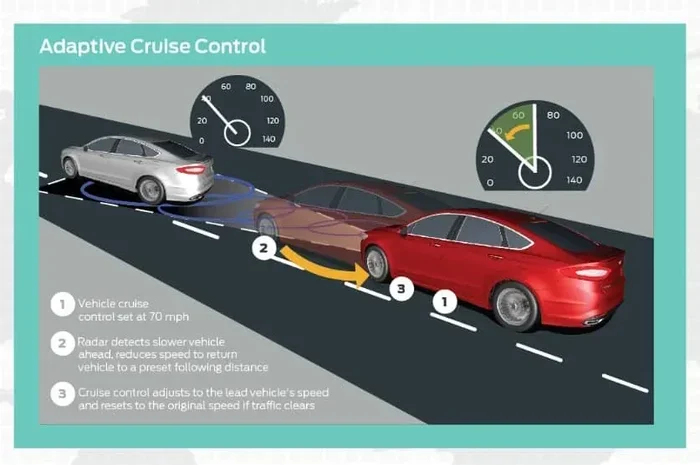
Before we talk about turning things off, let us quickly cover what adaptive cruise control actually does. Traditional cruise control sets a fixed speed. Your car holds that speed no matter what is ahead. Adaptive cruise control goes a step further. It uses radar sensors, cameras, and sometimes lidar to detect vehicles in front of you.
The ACC system then adjusts your speed automatically. It slows down when traffic ahead slows. It speeds back up when the road clears. All of this happens without you touching the gas or brake pedal. It is a driver assistance feature designed to make long drives less tiring and highways safer.
How Does the System Work?
The adaptive cruise control system relies on a few key parts. A radar sensor sits in the front of your car, usually behind the grille. A camera often sits near the rearview mirror. Together, these parts scan the road ahead. They measure the distance to the vehicle in front of you. They also track how fast that car is moving.
The car’s computer processes all of this data in real time. If the car ahead slows down, your vehicle slows down too. When the lane opens up, your car accelerates back to your set speed. The whole process is smooth and automatic. Most drivers find this technology very helpful on long road trips.
Can You Turn Off Adaptive Cruise Control While Driving?
This is the question most drivers want answered. And the answer is a clear yes. You can turn off adaptive cruise control while driving at any time. It is a built-in safety feature. Car manufacturers know that drivers need to be able to take back control instantly. That is why every ACC system has a simple cancel function.
You do not need to pull over or stop the car. You can disable adaptive cruise control while cruising at highway speeds. The system will release its hold on the throttle. Your car will respond to your foot on the gas or brake right away. You go back to full manual control in seconds.
Is It Safe to Cancel ACC While Moving?
Yes, it is completely safe. Canceling adaptive cruise control while driving does not damage your vehicle. It does not cause any system errors. It is something car engineers designed into every cruise control system from the start. The cancel function exists so drivers can always react to changing road conditions.
Think of it like this. The ACC system is an assistant. It helps you drive. But you are always the boss. When you want to take over, you just press the cancel button. The system steps aside and lets you drive manually. That is by design, and it is a very good thing.
How to Turn Off Adaptive Cruise Control
Now let us get into the practical part. The way you turn off adaptive cruise control depends on your vehicle. Different car brands use different controls. But the basic methods are similar across most models. Here are the most common ways to cancel ACC while driving.
Method 1: The Cancel Button on the Steering Wheel
This is the most common method. Almost every car with adaptive cruise control has a cancel button on the steering wheel. You will usually find it on the left side of the wheel or behind the spokes. The button often has a symbol that looks like a speedometer with a line through it.
To use it, simply press the button while driving. The ACC system will disengage immediately. Your car will stop adjusting its speed. You will feel the vehicle respond to your accelerator pedal again. This method works at any speed, whether you are going 30 miles per hour in traffic or 75 on the highway.
Method 2: The Brake Pedal
Another very common way to cancel cruise control is by pressing the brake pedal. When you tap the brake, most adaptive cruise control systems shut off automatically. This is actually the default behavior in many vehicles. The idea is simple. If you hit the brake, you want full control. The car responds by turning off the cruise control system.
This method is especially useful in sudden situations. If traffic stops quickly and you need to brake hard, the ACC system will cancel on its own when you press the pedal. You then take over completely. This is one reason why adaptive cruise control is considered a safe driver assistance feature.
Method 3: The Dashboard Toggle or Switch
Some vehicles have a physical switch on the dashboard or center console to turn off adaptive cruise control. This switch might be a simple on/off toggle. You can flip it to disable the entire ACC system. This method is less common but still found in many cars, especially trucks and SUVs.
If your car has this switch, it is usually easy to find. Check the area near the steering column or on the center stack. The switch often has the same speedometer icon with a line through it. Flipping it off disables the adaptive cruise control completely until you turn it back on.
Method 4: The Resume/Cancel Controls
Many steering wheels have a set of cruise control buttons. These often include buttons for set, resume, cancel, and accel/decel. The cancel button is what you press to turn off adaptive cruise control. It is usually marked clearly on the steering wheel.
After pressing cancel, the system remembers your last set speed. You can press the resume button later to turn ACC back on. The car will accelerate back to your previous speed. This is a handy feature if you only need to turn the system off temporarily.
What Happens When You Turn Off Adaptive Cruise Control?
Once you turn off adaptive cruise control, several things happen right away. Understanding these changes helps you drive safely after canceling the ACC system.
- Your car stops adjusting speed automatically. The vehicle no longer slows down or speeds up on its own.
- You take full control of the throttle. Your right foot on the gas pedal now controls your speed completely.
- You take full control of the brakes. The braking system is no longer managed by the ACC system.
- The set speed is cleared. Most systems forget the speed you had stored. You will need to set a new speed if you want to turn ACC back on.
- The dashboard indicator light turns off. This is a visual cue that tells you the adaptive cruise control is no longer active.
The most important thing to remember is that you are now fully responsible for your speed and following distance. The driver assistance features are off. You must pay close attention to the road and the traffic around you.
Does the System Turn Back On Automatically?
This depends on your vehicle. Some ACC systems try to turn back on after a certain time or when you restart the engine. Other systems stay off until you manually press the resume or on button. Check your owner manual to learn how your specific car behaves.
This is an important detail. If you cancel adaptive cruise control and then get distracted, the system might reactivate without you noticing. Always double-check your dashboard to confirm whether ACC is on or off before you start driving again.
When Should You Turn Off Adaptive Cruise Control?
Adaptive cruise control is a great tool, but it is not always the best choice. There are specific situations where you should disable ACC and take full manual control. Here are the most important times to turn off the system.
Heavy or Stop-and-Go Traffic
While many modern ACC systems handle stop-and-go traffic well, they are not perfect. The radar sensor can get confused in very heavy traffic. Sometimes the system accelerates too aggressively or brakes too late. If you are in a crowded city highway or a jammed interstate, it might be safer to turn off adaptive cruise control and drive manually.
Bad Weather Conditions
Rain, snow, fog, and ice can affect how well your ACC system works. The radar sensor and camera can get blocked or give false readings. In poor weather, the system might not detect slower cars ahead in time. When conditions are bad, it is smart to cancel cruise control and drive with your own judgment.
Winding or Mountain Roads
Adaptive cruise control is designed for highways and open roads. On winding mountain roads or tight curves, the system may not work as expected. The radar sensor looks straight ahead. It might not pick up slow-moving traffic on a sharp curve in time. For these roads, manual driving is almost always safer.
Construction Zones
Construction zones are unpredictable. Lane shifts, slow-moving equipment, and workers near the road create hazards that ACC systems may not handle well. The sensors can get confused by cones, barriers, and flaggers. When you see construction signs ahead, consider turning off adaptive cruise control and taking over completely.
Tired or Distracted Driving
Some drivers turn on adaptive cruise control and then start to feel drowsy. This is a dangerous habit. The ACC system helps with speed, but it does not replace your attention. If you are feeling tired, pull over and rest. Do not rely on driver assistance features to keep you safe while you fight sleep.
Common Mistakes People Make With Adaptive Cruise Control
Even experienced drivers make mistakes with adaptive cruise control. Here are some common errors and how to avoid them.
- Forgetting ACC is still active. After canceling the system, always check the dashboard light. Make sure the ACC indicator is off before you start relying on your own inputs.
- Pressing the wrong button. Steering wheel buttons are close together. You might accidentally hit resume instead of cancel. Take a moment to feel the buttons before you press.
- Assuming ACC handles everything. Adaptive cruise control manages speed and distance. It does not steer the car. You still need to keep the vehicle centered in your lane.
- Ignoring sensor warnings. If your car displays a message about a blocked radar sensor, do not ignore it. Clean the sensor area and check that ACC is working properly before relying on it again.
- Not reading the owner manual. Every car brand has slightly different controls for adaptive cruise control. Spend a few minutes reading the manual. You will learn exactly how your system works and how to turn it off safely.
Quick Tips for Using and Disabling Adaptive Cruise Control
Here are some practical tips to help you get the most out of your ACC system and know when to turn it off.
- Familiarize yourself with your controls. Before you hit the highway, sit in your parked car and find the cancel and resume buttons on the steering wheel. Knowing where they are saves time and stress.
- Keep the radar sensor clean. The sensor is usually behind the front grille. Dirt, snow, and ice can block it. A quick wipe before a long trip helps the ACC system work better.
- Use the brake pedal to cancel quickly. If something unexpected happens, just tap the brake. The cruise control system will turn off right away. This is the fastest way to regain manual control.
- Set your following distance appropriately. Most ACC systems let you choose how close you follow the car ahead. Pick a distance that feels comfortable and safe for your driving style.
- Turn off ACC in heavy rain or snow. The sensors work best in clear conditions. When visibility drops, it is better to drive manually.
- Do not use ACC in city traffic with lots of intersections. The system is built for highway driving. It may not handle frequent stops and starts in city traffic as smoothly.
- Always stay alert. Adaptive cruise control is a helper, not a replacement for your attention. Keep your hands on the wheel and your eyes on the road at all times.
Expert Insights on Turning Off Adaptive Cruise Control
We spoke with automotive experts about the best practices for using and disabling adaptive cruise control. Here is what they had to say.
Always keep your hands on the steering wheel. Even with ACC turned on, you should never take your hands off the wheel for more than a few seconds. The system does not steer the car. It only manages speed. Keeping your hands on the wheel ensures you are ready to take over at any moment.
Know the difference between cancel and off. Some vehicles let you cancel ACC temporarily. The system can resume if you press the resume button. Other vehicles have a permanent off mode that requires you to manually turn the system back on. Understanding this difference is key to safe driving.
Regular maintenance matters. The radar sensor and camera that power adaptive cruise control need to be clean and unobstructed. If you notice the system behaving strangely, check the sensor area first. A simple cleaning might fix the problem and restore proper ACC function.
Stay updated. Many car manufacturers release software updates that improve ACC performance. Check with your dealer to see if your vehicle has any pending updates for the driver assistance system. These updates can make the system smarter and more reliable.
Key Takeaways
- Easy to Disable: You can turn off adaptive cruise control with a single button or toggle in most cars.
- Safe to Do While Driving: Canceling ACC while driving is safe and does not harm your vehicle.
- Multiple Methods Exist: Different cars use different controls, including steering wheel buttons, dashboard switches, and brake pedals.
- System Resumes After Cancellation: Some ACC systems try to turn back on automatically, so know your vehicle.
- Manual Control Returns Instantly: Once you turn off ACC, you are fully responsible for speed and following distance.
- Know When to Turn It Off: Heavy traffic, bad weather, and winding roads are good times to disable the system.
- Check Your Owner Manual: Every car brand has slightly different steps to cancel adaptive cruise control.
Conclusion
The answer to the question can adaptive cruise control be turned off while driving is a clear and confident yes. You can turn off adaptive cruise control at any time, no matter what speed you are traveling. Whether you use the cancel button on the steering wheel, tap the brake pedal, or flip a dashboard switch, the process is simple and fast.
Adaptive cruise control is a fantastic driver assistance feature. It makes long drives easier and highway driving safer. But it is not perfect. There are situations where manual control is better. Heavy traffic, bad weather, winding roads, and construction zones are all times when you should consider disabling ACC.
The most important thing to remember is that you are always the driver. The ACC system is there to help you, not replace you. Keep your hands on the wheel, your eyes on the road, and your mind on driving. When you need to take back control, you now know exactly how to do it.
Take a few minutes to learn how your specific vehicle handles adaptive cruise control. Read the manual. Practice the cancel function in a safe, empty area. Once you know how your car works, you will feel more confident and in control every time you drive. Safe travels.
Frequently Asked Questions
What happens when you turn off adaptive cruise control while driving?
When you turn off adaptive cruise control, the system stops adjusting your speed automatically. Your car responds to your gas pedal and brake pedal like a normal vehicle. The ACC indicator light on the dashboard turns off. You are now fully in manual control of your speed and following distance.
Can you turn off adaptive cruise control at high speeds?
Yes, you can turn off adaptive cruise control at any speed, including high highway speeds. Pressing the cancel button or tapping the brake pedal disables the system immediately. Your car will then respond to your foot inputs just like it would without cruise control active.
Does turning off ACC damage the system?
No, turning off adaptive cruise control does not damage the system in any way. The cancel function is built into every ACC system by the manufacturer. It is designed to be used safely and repeatedly without causing any wear or harm to the vehicle.
Why does my adaptive cruise control keep turning back on?
Some vehicles have a feature that automatically reactivates adaptive cruise control after a certain time or when you restart the engine. Check your owner manual to see if your car has this behavior. You may need to manually turn the system off each time to keep it disabled.
How do I know if my adaptive cruise control is off?
Look at your dashboard. When adaptive cruise control is active, a green or white indicator light will show on the instrument cluster. When the system is off, that light will turn off or change color. Some cars also display a message confirming that ACC has been canceled.
Is it safe to drive without adaptive cruise control?
Yes, it is perfectly safe to drive without adaptive cruise control. In fact, many drivers prefer to drive manually for better control. The ACC system is an optional feature, not a requirement. You can drive your car exactly the same way whether ACC is on or off.