Are You Supposed to Hold the Push-to-Start Button
No, you should not hold the push-to-start button. Most vehicles only need a quick press of the push-to-start button once the brake pedal is pressed. Holding it too long can cause issues with your keyless ignition system. This guide covers exactly how to use your start button car the right way.
Key Takeaways
- Press, don’t hold: A quick press is all you need to start most vehicles with a push button start system.
- Brake first: Always press the brake pedal before hitting the start button on your push to start vehicle.
- Holding can cause problems: Keeping the button pressed too long may strain the starter motor or trigger error codes.
- Know your car: Different brands have slightly different engine start procedures for their keyless start system.
- Troubleshooting matters: If your start button not working, check the brake switch, key fob battery, and fuse first.
- Expert tips help: Small habits like checking gear position and keeping your fob close can prevent most push start troubleshooting issues.
📑 Table of Contents
- How the Push-to-Start System Works
- Should You Hold or Press the Push-to-Start Button?
- Step-by-Step: How to Properly Start Your Car
- Common Push-to-Start Problems and Solutions
- Expert Tips for Using the Start Button
- What Happens If You Hold It Too Long?
- Comparison: Holding vs. Pressing the Start Button
- Frequently Asked Questions
- Conclusion
How the Push-to-Start System Works
Modern cars have changed a lot. Most new vehicles now use a keyless ignition system instead of a traditional key. You just press a button, and the engine fires up. It feels simple. But many drivers wonder about the right way to use it.
The push button start system relies on a signal between your car and the key fob. When you press the brake and hit the button, the car verifies the fob is nearby. Then it engages the starter motor. This whole process takes just a second or two.
You do not need to hold the button down. A quick, firm press is enough. Holding it can confuse the system. It can also drain power from the battery over time. Understanding how this works helps you avoid mistakes and keeps your car running smoothly.
What Is a Keyless Start System?
A keyless start system uses radio frequency to communicate between the fob and the car. The car detects when the fob is inside the cabin. It then allows the engine to start. This technology has been around since the early 2000s. Today, it is standard in most new cars.
The push to start vehicle does not need a physical key turned in the ignition. Instead, you press the start button car owners know well. Some systems also let you start the car without pressing the brake, but only in certain modes. Always check your owner’s manual for specifics.
Why Do People Get Confused About Holding the Button?
Many drivers grew up with traditional keys. They are used to holding or turning something for several seconds. With a push button ignition, the instinct is to hold the button down. But this is not necessary. In fact, it can do more harm than good.
Some older push-start models did require a slightly longer press. But modern cars are designed for a quick tap. If your car is newer, a short press is all it takes. The confusion comes from habit, not from how the system actually works.
Should You Hold or Press the Push-to-Start Button?
The short answer is no. You should not hold the push-to-start button. A quick press is the correct method. Here is why. When you hold the button, you send a continuous signal to the starter motor. This can overwork the system. It can also drain your car battery faster than normal.
Most manufacturers design the engine start procedure for a brief press. The car’s computer reads the signal, verifies the fob, and starts the engine. All of this happens in under two seconds. Holding the button beyond that point serves no purpose.
The Right Way to Start Your Car
Follow these simple steps every time you start your car:
- Sit in the driver’s seat and close the door.
- Press the brake pedal firmly with your foot.
- Make sure the gear selector is in Park (or Neutral for some models).
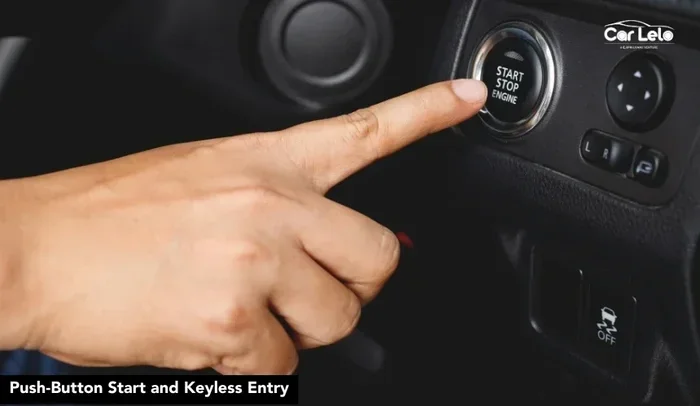
- Press the push-to-start button once with your finger.
- Wait for the dashboard lights to come on and the engine to start.
That is it. One press. No holding. No waiting. If the engine does not start on the first try, wait a few seconds before trying again. Repeated rapid pressing can also strain the starter motor.
What Happens If You Hold the Button Too Long?
Holding the start button for more than a few seconds can trigger problems. The starter motor may overheat. The keyless ignition system might throw an error code. In some cases, the car will shut down the start function to protect itself.
Some drivers report a start button not working after holding it too long. This is often temporary. But repeated misuse can lead to real damage over time. The starter motor is not cheap to replace. Keeping your habits correct saves you money and headaches.
Step-by-Step: How to Properly Start Your Car
Every car brand has slight differences. But the general process is the same across most push to start vehicle models. Here is a detailed walkthrough.
Step 1: Get in and Buckle Up
Enter the car and sit down. Buckle your seatbelt. This is basic safety. But it also signals to the car that you are ready. Many modern systems will only allow the engine to start if the driver is seated and buckled.
Step 2: Press the Brake Pedal
This is the most important step. The brake pedal start button requirement exists for safety. The car will not start without the brake being pressed. This prevents the vehicle from lurching forward unexpectedly.
Press the brake pedal all the way down. You should feel firm resistance. If the brake light switch is faulty, the car might not recognize the input. This is a common reason for push start troubleshooting.
Step 3: Check the Gear Position
Make sure the gear selector is in Park. Some cars allow starting in Neutral, but never in Drive or Reverse. If the gear is not in the correct position, the push button start will not work.
This safety feature prevents accidental movement. Always double-check the gear before pressing the start button car ignition.
Step 4: Press the Button Once
Now press the push-to-start button firmly. Do not hold it. A quick tap is all you need. You should hear the engine turn over. Dashboard lights may dim briefly as the starter engages.
If the engine does not start, wait a few seconds. Then try again. Do not mash the button repeatedly. Give the system time to reset between attempts.
Step 5: Let the Engine Warm Up
Once the engine starts, let it idle for a few moments. This is especially important in cold weather. Modern engines warm up faster than older ones, but a brief idle period helps oil circulate properly.
Common Push-to-Start Problems and Solutions
Even with the right technique, issues can happen. Here are the most common problems and how to fix them.
Push Start Troubleshooting: Car Won’t Start
If your start button not working, do not panic. Start with the basics:
- Check the brake pedal: Make sure you are pressing it all the way down.
- Check the gear position: The car must be in Park or Neutral.
- Check the key fob battery: A weak fob battery is the number one cause of keyless start system failures.
- Check the fuse: A blown fuse in the starter circuit can prevent startup.
Many drivers replace the entire push button ignition system when the real issue is a dead fob battery. Always rule out the simple fixes first.
Start Button Car Won’t Start Even After Multiple Presses
Sometimes the car will not start no matter how many times you press the button. This could indicate a deeper issue:
- The starter motor may be failing.
- The ignition button wiring could have a loose connection.
- The engine control module might need a reset.
- The battery itself could be too weak to power the starter.
If basic checks do not solve the problem, take the car to a qualified mechanic. Trying to force the issue by holding the button longer will not help. It may actually make things worse.
Push Button Start Works Intermittently
Intermittent issues are frustrating. The car starts sometimes but not others. This often points to a weak key fob battery. Try replacing the battery in the fob first. If that does not work, the antenna ring around the ignition may have a fault.
This ring reads the signal from the fob. If it is damaged, the car cannot detect the fob. A push start troubleshooting session with a mechanic can pinpoint this issue quickly.
Expert Tips for Using the Start Button
Small habits make a big difference. Follow these tips to get the most out of your keyless ignition system.
Keep Your Fob Close
The push to start vehicle needs to detect the fob. Keep it in your pocket, purse, or the console tray. If the fob is in the trunk or the back seat, the car might not start. Some models have a backup start zone near the steering column for when the fob battery dies.
Replace the Fob Battery Regularly
A keyless start system depends on the fob battery. Most fob batteries last one to two years. Replace them proactively. Do not wait until the car refuses to start. A dead fob battery is the easiest fix and the most common cause of start button not working issues.
Do Not Press the Button While Driving
Some drivers accidentally hit the start button car while driving. This can cause the engine to shut off in some models. Always be mindful of where your hand is on the console. Keep the button area clear of objects that might press it accidentally.
Turn Off the Engine Properly
To turn off the engine, press the push-to-start button once while the car is in Park and your foot is on the brake. Do not hold it. The engine will shut off cleanly. This preserves the keyless ignition system and prevents error codes.
What to Do in an Emergency
If the push button start fails completely and you need to move the car, most vehicles have a mechanical key hidden in the fob. Use this to manually unlock the driver’s door. Then consult your owner’s manual for a backup starting procedure. Every push to start vehicle has a contingency plan.
What Happens If You Hold It Too Long?
Let us address the elephant in the room. What really happens if you hold the push-to-start button for several seconds?
The starter motor is designed to run for a short burst. It engages the engine flywheel and gets the combustion cycle going. Once the engine starts, the starter should disengage automatically. If you keep holding the button, the starter keeps trying to turn. This creates friction and heat.
Over time, this can wear out the starter motor. It can also drain the battery. In some vehicles, the computer will cut the start function after a few seconds to protect the system. But not all cars have this safeguard.
The bottom line is clear. Do not hold the button. A quick press is the correct way to use your push button ignition. If the engine does not start, wait and try again properly.
How Long Should You Press the Button?
Aim for one to two seconds of pressure. That is all it takes. The engine start procedure is designed to be fast and efficient. You do not need to hold the button for five seconds or more. If the car does not start within two seconds, release the button and wait before trying again.
This short press time is one of the biggest advantages of the keyless start system. It is fast, convenient, and easy to use correctly.
Comparison: Holding vs. Pressing the Start Button
| Aspect | Pressing (Correct) | Holding (Incorrect) |
|---|---|---|
| Starter motor wear | Minimal | Increased risk of overheating |
| Battery drain | Normal | Faster battery depletion |
| Engine start time | 1-2 seconds | May delay or prevent start |
| Error codes triggered | No | Possible in some models |
| Recommended by manufacturers | Yes | No |
| Risk of damage | Very low | Moderate to high over time |
As you can see from the comparison, pressing is clearly the better approach. Holding the push-to-start button offers no benefits and carries real risks.
Frequently Asked Questions
Can holding the push-to-start button damage my car?
Yes, holding the button for extended periods can strain the starter motor and drain the battery. Most manufacturers design the system for a quick press. Repeated holding over time can lead to premature wear on the starter and other electrical components.
Why does my push-to-start button not work sometimes?
The most common reason is a weak key fob battery. Other causes include a faulty brake light switch, the gear not being in Park, or a blown fuse. Try replacing the fob battery first, as this solves the problem in most cases.
Do I need to press the brake pedal every time I start the car?
Yes, almost all push to start vehicle models require the brake pedal to be pressed before the start button car will engage. This is a safety feature designed to prevent accidental starts while the car is in gear.
How long does a push-to-start button last?
The push button ignition itself typically lasts the lifetime of the vehicle. However, the related components like the starter motor, brake light switch, and fob battery will need replacement over time. Regular maintenance helps keep everything working smoothly.
What should I do if the push-to-start button stays stuck?
If the button feels stuck or does not return to its normal position, stop using it immediately. This could indicate a mechanical failure. Have a mechanic inspect the keyless ignition system. Driving with a stuck button can lead to unexpected engine shutdowns.
Is it normal for the push-to-start button to feel different from a regular key ignition?
Absolutely. The push button start system is designed to be different from a traditional key turn. It uses electronic signals instead of mechanical connections. A quick press should feel firm but not require force. If it feels loose or spongy, the button mechanism may need inspection.
Conclusion
The push-to-start button is one of the most convenient features in modern cars. But convenience only works when you use it correctly. The answer to the question is clear: you are not supposed to hold the button. A quick, firm press while the brake pedal is engaged is all you need.
Holding the button can cause real problems. It strains the starter motor, drains the battery, and may trigger error codes in your keyless start system. Following the proper engine start procedure keeps your car healthy and prevents unnecessary repairs.
Remember the steps: brake pedal down, gear in Park, one quick press. If issues arise, start with the simple checks like the fob battery and gear position. These habits will serve you well for years.
Your push to start vehicle is built to be easy to use. Treat it right, and it will start reliably every single time. Share this guide with friends who are new to push button ignition systems. A little knowledge goes a long way in preventing costly mistakes.