Can I Just Change My Oil Myself Everything You Need To Know
Yes, you can absolutely change your own oil at home. It saves money, builds car knowledge, and takes about 30 minutes once you know the steps. This guide walks you through every tool, tip, and precaution so you feel confident doing your first DIY oil change safely.
There is something really satisfying about doing car maintenance yourself. Changing your own oil is one of the simplest and most rewarding jobs you can tackle at home. It saves you money, teaches you about your vehicle, and gives you a sense of accomplishment.
But can I just change my oil myself without making a mess or causing damage? The short answer is yes. With the right tools, a little preparation, and some patience, almost anyone can do it. This guide covers everything you need to know to get the job done right the first time.
Whether you drive a truck, sedan, or SUV, the basic process is the same. You drain the old oil, swap out the filter, refill with fresh oil, and dispose of the waste properly. Let us walk through each step so you feel fully prepared.
Key Takeaways
- Changing your own oil is doable: Most beginners can learn the process in under an hour with basic tools.
- You need the right supplies: The correct motor oil, oil filter, drain pan, jack stands, and socket wrench are essential.
- Safety comes first: Always use jack stands, never rely on a jack alone, and let the engine cool before starting.
- Proper disposal matters: Used oil is hazardous waste and must be recycled at a local auto shop or collection center.
- Check your vehicle manual: It tells you the correct oil type, oil capacity, and oil change interval for your specific engine.
- Common mistakes are avoidable: Forgetting the oil filter, over-tightening the drain plug, and using the wrong oil type top the list.
📑 Table of Contents
Why Change Your Own Oil?
Many car owners wonder if DIY oil change is worth the effort. The truth is, there are several strong reasons to roll up your sleeves and do it yourself.
Save Money
Oil changes at a shop can cost anywhere from 40 to 100 dollars or more. When you do it at home, you pay only for the oil and filter. Over a year, that adds up to real savings. Some drivers save over 100 dollars annually by handling their own oil change jobs.
Learn How Your Car Works
Knowing your vehicle builds confidence. When you understand how the engine oil system works, you can spot problems early. You will learn about your car’s oil capacity, oil viscosity, and how to check oil level properly. This knowledge helps you communicate better with mechanics too.
Control Over Oil Quality
When you do it yourself, you pick exactly which oil goes in your engine. You know the brand, the oil type, and the oil change interval. No guessing whether the shop used the right product for your engine.
Tools and Supplies You Will Need
Before you start, gather everything you need. Having all the tools ready prevents frustrating mid-job trips to the store. Here is a complete list of what you need for a successful DIY oil change.
Essential Tools
- Socket wrench and the correct size socket for your drain plug
- Oil filter wrench for removing the old oil filter
- Jack and jack stands or a ramp to lift the vehicle safely
- Oil catch pan large enough to hold all the old oil
- Torque wrench to tighten the drain plug to the right specification
- Funnel for clean oil refilling
- Rags or paper towels for cleanup
- Gloves and safety glasses to protect your hands and eyes
Supplies
- Motor oil in the correct viscosity and amount for your vehicle
- New oil filter matched to your engine model
- Drain plug washer if your vehicle requires one
Always check your vehicle manual before purchasing supplies. It will tell you the exact oil type, oil capacity, and recommended oil filter model. Using the wrong products can harm your engine.
Quick Tip: Keep a small container of the old oil filter and drain plug nearby during the job. Some parts can be reused with a new crush washer, but always check your manual first.
Step-by-Step Guide to Changing Your Oil
Now for the part you have been waiting for. Here is the full walkthrough for doing your own oil change at home. Follow these steps carefully, and you will have clean oil flowing through your engine in no time.
Step 1: Prepare the Vehicle
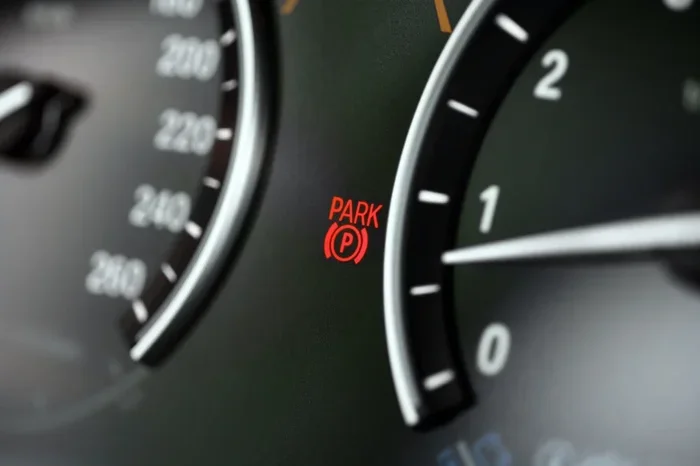
Start by parking on a flat, level surface. Engage the parking brake and turn off the engine. Wait at least 10 to 15 minutes for the engine to cool slightly. Warm oil drains better, but hot oil can burn you. Finding the right balance is key.
Use your jack stands to lift the front of the vehicle. Never work under a car supported only by a jack. Jack stands provide the stability and safety you need. Place the oil catch pan directly under the drain plug.
Step 2: Drain the Old Oil
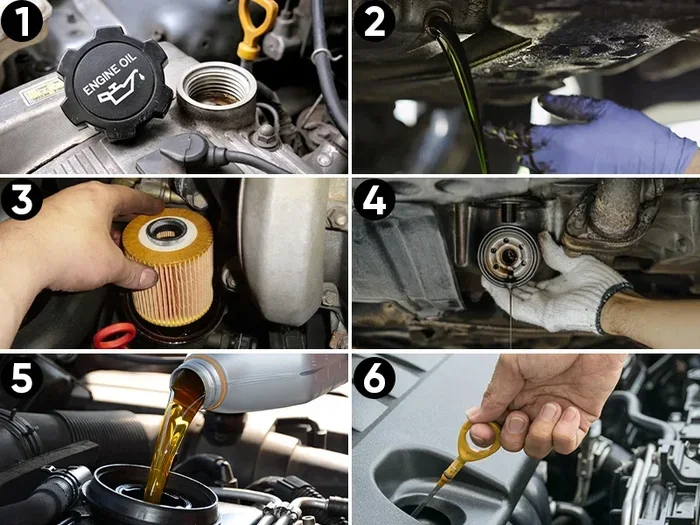
Locate the drain plug underneath your engine. Place the oil catch pan right below it. Using your socket wrench, slowly loosen the drain plug by turning it counterclockwise.
Be careful as the plug comes loose. The oil will flow out quickly. Let it drain completely into the pan. This usually takes about 5 to 10 minutes. While it drains, remove the old oil filter using an oil filter wrench. Turn it counterclockwise and let any remaining oil drip into the catch pan.
Step 3: Replace the Drain Plug and Oil Filter
Once the oil has stopped dripping, reinstall the drain plug. Use your torque wrench to tighten it to the specification listed in your vehicle manual. Over-tightening can strip the threads or damage the oil pan. Under-tightening can cause an oil leak.
Before installing the new oil filter, lightly coat the rubber gasket with a little fresh oil. This creates a better seal and makes future removal easier. Screw the new filter on by hand until it is snug, then tighten it slightly more with the wrench. Do not over-tighten.
Step 4: Add New Oil
Locate the oil fill cap on top of your engine. Remove it and place a funnel in the opening. Pour in the new motor oil slowly. Add about three-quarters of the recommended amount first, then check the oil level with the dipstick.
Add more oil as needed until the level sits between the minimum and maximum marks on the dipstick. Replace the fill cap and wipe away any spills with a rag.
Step 5: Check for Leaks and Proper Oil Level
Start the engine and let it run for about 30 seconds. Check underneath for any signs of an oil leak around the drain plug and oil filter. Turn off the engine and wait a few minutes for the oil to settle.
Check the oil level again with the dipstick. Top off if needed. Congratulations, you have just completed your first DIY oil change!
Common Mistakes to Avoid
Even simple tasks can go wrong if you are not careful. Here are the most common mistakes people make when changing their own oil.
Using the Wrong Oil Type
Not all motor oil is the same. Using the wrong oil viscosity can reduce engine performance and cause damage over time. Always match the oil to what your vehicle manual specifies. Common grades include 5W-30, 5W-20, and 10W-30, but your car may need something different.
Forgetting the New Oil Filter
Skipping the oil filter replacement is one of the biggest mistakes. The old filter is full of contaminants and debris. Running fresh oil through a dirty filter defeats the purpose of the oil change. Always install a new oil filter every time.
Over-Tightening the Drain Plug
Cranking the drain plug too tight can strip the threads in the oil pan. This leads to expensive repairs. Use a torque wrench and follow the specification in your manual. Hand-tight plus a quarter turn with the wrench is usually sufficient.
Improper Oil Disposal
Used motor oil is hazardous waste. Pouring it down a drain or onto the ground is illegal and harmful to the environment. Take your used oil and old filter to a local auto parts store, recycling center, or mechanic. Most will accept used oil for free.
How Often Should You Change Your Oil?
The oil change interval depends on your vehicle, driving habits, and the type of oil you use. Older vehicles with conventional oil typically need a change every 3,000 to 5,000 miles. Newer cars using synthetic oil can go 7,500 to 10,000 miles between changes.
Check your vehicle manual for the manufacturer’s recommendation. Some modern vehicles have an oil life monitoring system that tells you exactly when it is time. Do not ignore these reminders. Fresh engine oil keeps your engine running smoothly and extends its lifespan.
Your driving conditions also matter. If you frequently drive in stop-and-go traffic, extreme heat, or dusty roads, you may need to change your oil more often. These are called “severe conditions” and they shorten the oil change interval.
Safety Tips for DIY Oil Changes
Safety should always come first when working on your vehicle. Follow these precautions to keep yourself safe and injury-free.
- Always use jack stands. Never rely on a jack alone. A car can slip off a jack and cause serious injury or death.
- Let the engine cool. Hot oil and engine parts can burn you. Wait at least 10 minutes before starting the job.
- Wear gloves and safety glasses. Used oil contains harmful chemicals. Protect your skin and eyes.
- Work in a well-ventilated area. Even in your driveway, fresh air helps prevent fumes from building up.
- Keep a fire extinguisher nearby. Just in case. It is a good habit for any garage work.
- Dispose of oil properly. Never pour used oil into the trash, down a drain, or onto the ground.
Taking a few extra minutes for safety prevents accidents and ensures your DIY oil change experience is a positive one. Once you complete your first oil change successfully, you will feel confident doing it again and again.
When Should You Skip the DIY and Go to a Shop?
Changing your own oil is great, but it is not always the right choice. There are situations where a professional oil change service makes more sense.
If you do not have access to a garage or proper lifting equipment, doing it at home is not practical. Some vehicles are also very low to the ground and difficult to access safely without ramps or a lift. In these cases, a quick trip to a shop is the better option.
If you feel unsure about any part of the process, that is okay too. Many quick-lube shops offer oil change services for around 40 to 60 dollars. It is a small price for peace of mind. The goal is to keep your engine healthy, whether you do it yourself or let a professional handle it.
Also, if your vehicle has a sealed engine or requires special tools, the DIY oil change may not be worth the effort. Always read your vehicle manual and assess your own comfort level honestly.
Expert Insights on DIY Oil Changes
Experienced mechanics agree that changing your own oil is one of the best ways to stay connected to your vehicle. It gives you a baseline understanding of your car’s maintenance needs. Many professional technicians started their careers by doing simple jobs like oil changes at home.
Experts also emphasize the importance of using quality products. Cheap oil and filters may save a few dollars upfront but can cost you more in engine wear over time. Invest in reputable brands and stick with the specifications your vehicle requires. This simple habit pays dividends in engine longevity and performance.
One mechanic shared that the most common issue he sees with DIY oil changes is not using enough oil. Always double-check the oil level after your DIY oil change and before driving. Running low on oil, even for a short distance, can cause significant engine damage.
Conclusion
So, can I just change my oil myself? Absolutely yes. With the right oil change tools, the correct supplies, and a little patience, you can handle this job at home. It saves money, builds your car knowledge, and gives you a real sense of accomplishment.
Remember to follow the steps carefully. Use the correct motor oil and oil filter for your vehicle. Never skip safety precautions. And always dispose of used oil responsibly. Your engine will thank you with smoother performance and a longer life.
The first time might feel a little intimidating, but it gets easier with every oil change. Soon, it becomes part of your regular maintenance routine. You will wonder why you ever paid someone else to do it. Now go out there and give it a try. Your car and your wallet will be glad you did.
Frequently Asked Questions
What tools do I need to change my oil at home?
You need a socket wrench, oil filter wrench, jack stands, an oil catch pan, a torque wrench, a funnel, and of course fresh motor oil and a new oil filter. Having all the tools ready before you start makes the process smooth and stress-free.
How long does it take to change your own oil?
Most people complete a DIY oil change in 30 to 45 minutes once they are familiar with the process. Your first time might take a little longer as you get comfortable with each step. With practice, you can do it in under 30 minutes.
Is it safe to change oil in my driveway?
Yes, it is safe as long as you follow proper safety precautions. Always use jack stands, work on a flat surface, wear gloves and safety glasses, and dispose of the used oil properly. Your driveway is a perfectly fine place for a home oil change.
What happens if I use the wrong oil type?
Using the wrong oil viscosity can lead to poor engine lubrication, reduced fuel efficiency, and potential engine damage over time. Always check your vehicle manual for the recommended oil type and stick with it to keep your engine running properly.
Can I reuse the old oil filter?
It is not recommended. Old oil filters are full of contaminants and metal particles that can circulate through your fresh oil. Always install a new oil filter to ensure your engine gets clean oil and stays protected.
Where can I dispose of used motor oil?
Take your used oil and old filter to an auto parts store, recycling center, or mechanic. Most of these locations accept used oil for free recycling. Never pour used oil down a drain, into the trash, or onto the ground.
=== CONCLUSION ===
Changing your own oil is one of the most practical and rewarding maintenance tasks you can do. It is simpler than most people think, and it puts you in control of your vehicle’s care. With the right knowledge, tools, and supplies, you can confidently answer the question, can I just change my oil myself, with a strong and certain yes. Start with your next oil change and experience the satisfaction of keeping your car running well on your own terms.