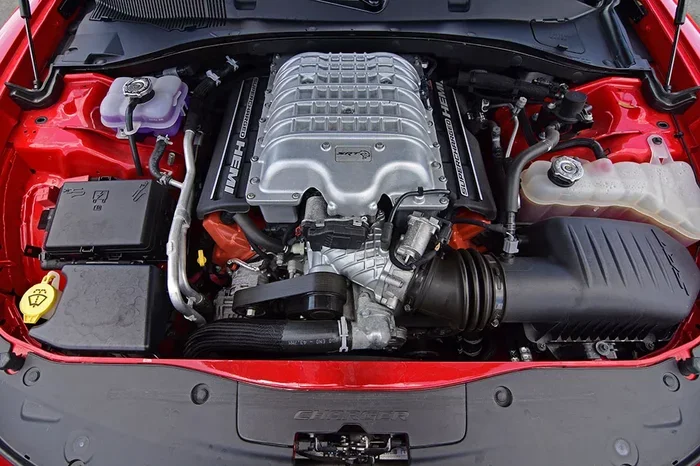
How Many O2 Sensors Does a Dodge Charger Actually Have
Most Dodge Charger models have four O2 sensors, with two upstream sensors near the exhaust manifold and two downstream sensors behind the catalytic converter. The exact number depends on your engine type and model year, but understanding your O2 sensors Dodge Charger setup helps you maintain fuel efficiency, engine performance, and emission control. Knowing the signs of a failing sensor can save you from costly repairs down the road.
If you own or drive a Dodge Charger, you have probably heard about O2 sensors. These small but mighty components play a huge role in how your engine runs. They monitor the oxygen levels in your exhaust and send that data to your engine’s computer. But here is the question many Charger owners ask: how many O2 sensors does a Dodge Charger actually have?
The answer is not always straightforward. It depends on your model year, engine type, and trim level. Most modern Dodge Chargers have four oxygen sensors. However, older models or certain engine configurations may differ. In this guide, we will break it all down for you. You will learn exactly where your sensors are located, what they do, and how to spot the signs when they start to fail.
Whether you are a DIY mechanic or just someone who wants to understand their vehicle better, this article has you covered. We will keep things simple and practical. No confusing jargon. Just clear, helpful information you can use right away.
Key Takeaways
- Four O2 sensors are standard: Most Dodge Chargers come equipped with four oxygen sensors for optimal engine monitoring.
- Location matters: Upstream sensors sit near the exhaust manifold, while downstream sensors are placed after the catalytic converter.
- Engine type affects sensor count: V8 HEMI engines, V6 engines, and supercharged Hellcat engines may have slightly different sensor configurations.
- Failing sensors cause real problems: Symptoms include poor fuel economy, rough idle, and a glowing check engine light.
- Replacement is manageable: You can replace O2 sensors at home with basic tools and a little patience.
- Regular maintenance helps: Keeping your exhaust system healthy extends the life of your O2 sensors.
📑 Table of Contents
- How Many O2 Sensors Does a Dodge Charger Actually Have
- Understanding O2 Sensors and Their Role
- Where Are the O2 Sensors Located on a Dodge Charger
- Signs Your O2 Sensors Are Failing
- How to Replace O2 Sensors on a Dodge Charger
- Keeping Your O2 Sensors in Top Shape
- Common Mistakes to Avoid with O2 Sensors
- Expert Insights on O2 Sensor Maintenance for Dodge Chargers
- Key Takeaways
- Conclusion
How Many O2 Sensors Does a Dodge Charger Actually Have
The short answer is that most Dodge Chargers have four O2 sensors. But let us dig deeper into this. The number can vary based on a few key factors. Your engine size, the model year, and even the specific trim level all play a role.
For example, a 2015 Dodge Charger with the 5.7L HEMI V8 engine will have a different sensor setup than a 2010 model with the 3.6L V6 Pentastar engine. Let us look at the most common configurations.
Standard 5.7L HEMI V8 Configuration
The 5.7L HEMI is one of the most popular engines in the Dodge Charger lineup. This engine typically uses four O2 sensors. Here is how they are arranged:
- Sensor 1: Upstream sensor on Bank 1, near the exhaust manifold.
- Sensor 2: Downstream sensor on Bank 1, positioned after the catalytic converter.
- Sensor 3: Upstream sensor on Bank 2, near the exhaust manifold.
- Sensor 4: Downstream sensor on Bank 2, placed after the catalytic converter.
Each bank refers to one side of the V8 engine. The upstream sensors measure the oxygen content before the catalytic converter. The downstream sensors check the exhaust after it passes through the converter. This setup gives the engine control unit (ECU) a complete picture of your fuel mixture and emission levels.
3.6L V6 Pentastar Engine Setup
The 3.6L V6 engine is another common choice for the Dodge Charger. This engine also typically has four O2 sensors. The layout is similar to the HEMI V8 setup. You get two upstream sensors and two downstream sensors. The main difference is that the V6 has only two cylinder banks instead of four.
Even though the V6 has fewer cylinders, the sensor count remains the same. This is because modern emission control systems require precise monitoring on both sides of the catalytic converter. The ECU needs real-time data to adjust the air-fuel ratio and keep your engine running cleanly.
6.4L HEMI V8 and 6.2L Hellcat Supercharged Engines
If your Dodge Charger has the 6.4L HEMI or the supercharged 6.2L Hellcat engine, the sensor count is still four in most cases. These high-performance engines use the same basic O2 sensor layout. However, the sensors on these models may be more sensitive. They need to handle higher exhaust flow rates and temperatures.
The Hellcat and Scat Pack models push out serious horsepower. That means hotter exhaust and more stress on every component, including the oxygen sensors. If you drive one of these powerful Chargers, keeping your O2 sensors in good shape is especially important.
Older Dodge Charger Models
Older Dodge Chargers from the 1990s and early 2000s may have only two O2 sensors. These earlier models used a simpler emission control setup. One upstream sensor and one downstream sensor were typically enough for those engines. If you own a classic Charger, you might find just two sensors in the exhaust system.
However, if your Charger has been modified or upgraded with modern emission equipment, it could have more sensors. Always check your specific vehicle using the owner’s manual or a reliable OBD2 scanner.
Understanding O2 Sensors and Their Role
Now that you know the count, let us talk about what these sensors actually do. Oxygen sensors are also called O2 sensors or lambda sensors. They are a key part of your Dodge Charger’s exhaust and emission system.
What Do O2 Sensors Do?
Every engine needs the right mix of air and fuel to run efficiently. Too much fuel and you waste gas. Too little fuel and the engine runs lean and can cause damage. O2 sensors measure the amount of unburned oxygen in your exhaust gases.
This information goes straight to the ECU. The ECU then adjusts the fuel injection timing and air-fuel ratio. This process happens thousands of times per minute. It keeps your engine running at peak efficiency.
Upstream vs. Downstream Sensors
Understanding the difference between upstream and downstream sensors is important. Here is a quick breakdown:
- Upstream O2 Sensors: These sit close to the engine, before the catalytic converter. They measure the oxygen level in the raw exhaust gas. The ECU uses this data to adjust the fuel mixture in real time.
- Downstream O2 Sensors: These are located after the catalytic converter. They monitor the exhaust after it has been cleaned. Their job is to check how well the catalytic converter is working.
Both types of sensors are essential. If an upstream sensor fails, your fuel economy drops and your engine may run rough. If a downstream sensor goes bad, you may not know your catalytic converter is failing until it is too late.
Why O2 Sensors Matter for Your Dodge Charger
Your Dodge Charger is a performance vehicle. It needs the right fuel mixture to deliver the power you expect. Faulty O2 sensors can cause a lean or rich condition. A lean condition means too much air and not enough fuel. A rich condition means too much fuel and not enough air.
Either condition hurts your engine over time. A rich mixture wastes fuel and creates excess carbon buildup. A lean mixture can cause overheating and engine damage. Keeping your O2 sensors working properly is one of the simplest ways to protect your Charger.
Where Are the O2 Sensors Located on a Dodge Charger
Knowing where your O2 sensors are located makes troubleshooting much easier. On most Dodge Chargers, the sensors are found in the exhaust system. Let us walk through the typical locations.
Sensor Locations by Bank
In a V8 engine, Bank 1 is the side of the engine where cylinder 1 is located. Bank 2 is the opposite side. Here is where you will find each sensor:
- Bank 1, Sensor 1 (Upstream): This sensor is threaded into the exhaust manifold on the Bank 1 side. It is closest to the engine.
- Bank 1, Sensor 2 (Downstream): This sensor sits in the exhaust pipe just after the catalytic converter on the Bank 1 side.
- Bank 2, Sensor 1 (Upstream): Located on the exhaust manifold on the Bank 2 side, near the engine.
- Bank 2, Sensor 2 (Downstream): Found in the exhaust pipe after the catalytic converter on the Bank 2 side.
Tips for Finding Your Sensors
Locating O2 sensors can be tricky under the car. The exhaust system gets hot and has limited space. Here are some tips to help you find them:
- Start the engine and let it run for a few minutes. The sensors will be warm and easier to spot by feel.
- Use a flashlight to look for the sensor wires leading to the exhaust.
- Follow the exhaust manifold down toward the catalytic converter.
- Refer to your vehicle service manual for a detailed diagram.
- Use an OBD2 scanner to read sensor codes, which can point you to the specific sensor that is causing issues.
If you are not comfortable working underneath your Charger, a trusted mechanic can locate and inspect the sensors for you. It is always better to be safe than sorry.
Signs Your O2 Sensors Are Failing
O2 sensors do not last forever. Over time, they can get contaminated or wear out. When they do, your Dodge Charger will tell you. Here are the most common signs of a failing oxygen sensor.
Check Engine Light Comes On
This is the most obvious sign. When an O2 sensor sends abnormal readings to the ECU, the check engine light will turn on. You may see codes like P0130, P0136, P0171, or P0174. These codes often point to O2 sensor problems or fuel mixture issues.
Poor Fuel Economy
If your Charger is suddenly getting worse gas mileage, a bad O2 sensor could be the culprit. A faulty sensor may send incorrect data to the ECU, causing it to inject too much fuel. This rich condition wastes gas and costs you money at the pump.
Rough Idle or Engine Misfires
A failing O2 sensor can cause your engine to idle roughly or misfire. You might feel vibrations at a stoplight or hear uneven engine sounds. This happens because the fuel mixture is not balanced correctly.
Failed Emission Test
If your Dodge Charger fails an emissions inspection, the O2 sensors are often to blame. Bad sensors can cause your vehicle to produce higher levels of harmful exhaust gases. This is not just bad for your car. It is bad for the environment too.
Rotten Egg Smell from the Exhaust
A strong sulfur or rotten egg smell coming from your exhaust can signal a rich fuel mixture caused by a bad O2 sensor. This smell comes from unburned fuel passing through the exhaust system.
Sluggish Engine Performance
You might notice your Charger feels slow or unresponsive. The ECU relies on accurate O2 sensor data to optimize performance. When that data is wrong, the engine cannot perform at its best.
How to Replace O2 Sensors on a Dodge Charger
Replacing an O2 sensor on a Dodge Charger is a job many car owners can handle themselves. You do not need to be a professional mechanic. With the right tools and a little guidance, you can get it done in about an hour.
Tools You Will Need
- O2 sensor socket or wrench (usually 22mm or 24mm)
- Ratchet and extension
- Penetrating oil (like WD-40 or PB Blaster)
- New O2 sensors (make sure they match your vehicle specs)
- Anti-seize compound
- Jack and jack stands or ramps
- Safety glasses and gloves
Step-by-Step Replacement Process
- Park your Charger on a flat surface. Engage the parking brake and lift the front of the vehicle using a jack. Secure it with jack stands.
- Locate the faulty sensor. Use an OBD2 scanner to identify which sensor is causing the problem. This saves you from guessing.
- Spray penetrating oil on the sensor. Let it sit for 10 to 15 minutes. This helps loosen a stuck sensor.
- Unplug the sensor wiring harness. Gently pull the connector straight off the sensor.
- Unscrew the old sensor. Use the O2 sensor socket and ratchet to turn it counterclockwise. Be careful not to strip the threads.
- Apply anti-seize to the new sensor. This makes future removal easier. Do not get anti-seize on the sensing tip.
- Thread in the new sensor. Hand-tighten first, then snug it with the socket. Do not overtighten.
- Reconnect the wiring harness. Make sure the connector clicks into place.
- Clear the error codes. Use your OBD2 scanner to reset the check engine light.
- Start the engine and test drive. Monitor the idle and listen for any unusual sounds.
When to See a Professional
Sometimes O2 sensors are hard to reach. If the sensor is corroded or stuck, forcing it can damage the exhaust manifold. In those cases, it is best to visit a qualified mechanic. Also, if you are not comfortable working underneath your vehicle, professional help is always a smart choice.
Keeping Your O2 Sensors in Top Shape
Prevention is always better than repair. You can take simple steps to keep your O2 sensors healthy and extend their lifespan. Most O2 sensors last between 60,000 and 100,000 miles. With proper care, you might even push that further.
Use Quality Fuel
Cheap fuel contains more contaminants. These contaminants can coat the O2 sensor tip and reduce its accuracy. Using top-tier gasoline from reputable stations helps keep your sensors clean.
Fix Exhaust Leaks Promptly
Exhaust leaks near the sensors can introduce false air into the system. This throws off the sensor readings and confuses the ECU. If you hear a hissing or ticking sound from the exhaust, get it checked right away.
Keep Up with Regular Maintenance
Replacing your spark plugs, air filter, and fuel filter on schedule helps your engine burn fuel cleanly. A clean engine produces cleaner exhaust, which is easier on your O2 sensors.
Avoid Prolonged Idling
Excessive idling can cause carbon buildup on the sensor tip. If you know your Charger will sit for a long time, try to take it for a proper drive occasionally. This helps burn off deposits and keeps the exhaust system flowing freely.
Monitor Your Fuel Economy
A sudden drop in fuel economy is often one of the first signs of a failing O2 sensor. Keep an eye on your mileage. If it drops noticeably, scan for error codes and inspect your sensors.
Common Mistakes to Avoid with O2 Sensors
Even well-meaning car owners can make mistakes when dealing with O2 sensors. Here are a few to watch out for.
- Replacing sensors without diagnosing the real problem: A check engine light does not always mean a bad O2 sensor. The real issue could be a vacuum leak, a faulty catalytic converter, or a fuel system problem.
- Using the wrong sensor: Not all O2 sensors are the same. Make sure you buy the correct part number for your specific Dodge Charger model and engine.
- Overtightening the new sensor: This can strip the threads in the exhaust manifold or pipe. Always hand-start the sensor first.
- Ignoring downstream sensor codes: Many people focus only on upstream sensors. But downstream sensors play a vital role in monitoring the catalytic converter.
- Skipping the ECU reset after replacement: If you do not clear the codes, the check engine light may stay on even after the fix.
Expert Insights on O2 Sensor Maintenance for Dodge Chargers
Experienced mechanics agree that O2 sensors are one of the most overlooked maintenance items. Many Charger owners do not think about their sensors until something goes wrong. By then, the damage may already be done.
Industry experts recommend inspecting your O2 sensors every 30,000 miles. A quick visual check can reveal corrosion, soot buildup, or damaged wiring. Catching these issues early can save you from a chain reaction of problems in your exhaust and emission system.
For high-mileage Chargers, it is a good idea to replace O2 sensors preventively around the 80,000-mile mark. Even if they are still working, older sensors become less accurate over time. Fresh sensors help your engine run at peak efficiency and keep your fuel economy in check.
Key Takeaways
- Most Dodge Chargers have four O2 sensors: Two upstream and two downstream sensors provide complete exhaust monitoring.
- The exact count depends on your engine: V8 HEMI, V6 Pentastar, and Hellcat models all use four sensors in most cases.
- Upstream sensors adjust fuel mixture: They measure raw exhaust and tell the ECU how much fuel to inject.
- Downstream sensors monitor the catalytic converter: They check how well the emission control system is working.
- Warning signs include poor fuel economy, rough idle, and check engine light: Do not ignore these symptoms.
- Replacement is a manageable DIY job: With the right tools and a little patience, you can do it yourself.
- Regular maintenance extends sensor life: Use quality fuel, fix exhaust leaks, and keep up with scheduled service.
Conclusion
So, how many O2 sensors does a Dodge Charger actually have? The answer is most likely four. Whether you drive a 5.7L HEMI, a 3.6L V6, or a roaring Hellcat, your Charger relies on these small sensors to keep everything running smoothly. They monitor your exhaust, protect your catalytic converter, and help you get the best fuel economy possible.
Understanding your O2 sensors Dodge Charger setup gives you an advantage. You can spot problems early, make smarter maintenance decisions, and avoid costly repairs. The next time your check engine light comes on, you will know exactly what to look for.
Take care of your O2 sensors, and they will take care of your Charger. Keep up with regular inspections, use quality fuel, and do not ignore warning signs. Your Dodge Charger will reward you with strong performance and reliable driving for miles to come.
Frequently Asked Questions
Can I drive my Dodge Charger with a bad O2 sensor?
You can drive short distances with a failing O2 sensor, but it is not recommended. A bad sensor causes poor fuel mixture, which can lead to rough running, reduced power, and increased emissions. Over time, it may also damage your catalytic converter, which is an expensive repair.
How much does it cost to replace an O2 sensor on a Dodge Charger?
The cost typically ranges from $150 to $400 per sensor, depending on the model year and engine. The part itself costs between $50 and $200, while labor can add another $100 to $200 if you hire a mechanic. DIY replacement saves you the labor cost entirely.
How often should O2 sensors be replaced on a Dodge Charger?
Most O2 sensors last between 60,000 and 100,000 miles. However, they can fail earlier if exposed to contaminants or exhaust leaks. It is a good practice to inspect them every 30,000 miles and replace them preventively around the 80,000-mile mark for high-mileage vehicles.
What happens if I don’t replace a failed O2 sensor?
A failed O2 sensor sends incorrect data to the ECU, causing the engine to run too rich or too lean. This leads to poor fuel economy, rough idle, increased emissions, and potential damage to the catalytic converter over time. Ignoring the problem will only make it worse and more expensive to fix.
Are upstream and downstream O2 sensors the same?
They look similar but serve different purposes. Upstream sensors measure the oxygen level in raw exhaust gas before the catalytic converter. Downstream sensors measure the oxygen level after the exhaust passes through the converter. The ECU uses both readings to monitor engine performance and emission control.
Can a dirty O2 sensor be cleaned instead of replaced?
In some cases, a gentle cleaning with a specialized O2 sensor cleaner can restore partial function. However, this is not a permanent fix. If the sensor is worn out or damaged internally, cleaning will not help. Replacement is the most reliable long-term solution.