Does the Volvo XC90 Qualify for Section 179 Tax Benefits
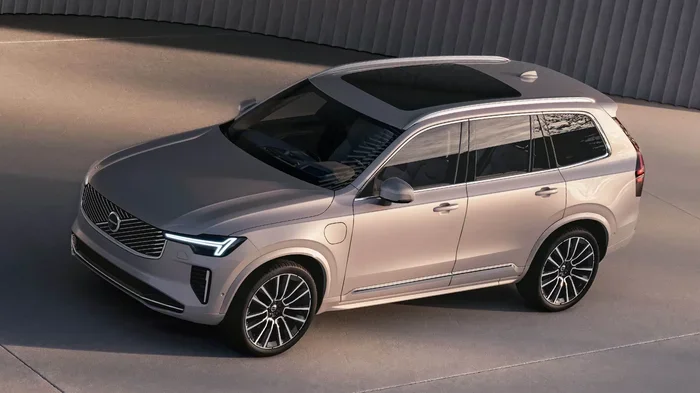
The Volvo XC90 may qualify for Section 179 tax benefits, but eligibility depends on your specific trim and gross vehicle weight rating. Most XC90 models fall under the passenger vehicle category, which means the luxury auto depreciation limits apply. Understanding the IRS rules around vehicle deductions can save you thousands of dollars at tax time. This guide breaks down everything you need to know about claiming a Section 179 deduction for your Volvo XC90.
Are you a Volvo XC90 owner wondering if your luxury SUV can help you save on taxes? You are not alone. Many business owners ask, does the Volvo XC90 qualify for Section 179 tax benefits? The answer is not a simple yes or no. It depends on several factors, including your vehicle’s weight, how you use it, and the tax year in question.
Section 179 is a powerful tax deduction that allows businesses to deduct the full purchase price of qualifying equipment and vehicles in the year they are placed in service. For small business owners, this can mean significant tax savings right away instead of waiting years for depreciation. But not every vehicle qualifies, and the rules can be tricky.
In this guide, we will walk through everything you need to know about claiming a Section 179 deduction for the Volvo XC90. We will cover eligibility, weight limits, business use requirements, and alternative deduction options. By the end, you will have a clear picture of whether your XC90 can deliver tax write-off benefits.
Key Takeaways
- Eligibility depends on GVWR: The Volvo XC90 must meet specific gross vehicle weight requirements to qualify for the full Section 179 deduction.
- Passenger vehicle limits apply: Most XC90 trims are classified as passenger autos, which means the luxury vehicle depreciation cap restricts your deduction.
- Business use is essential: You must use the XC90 more than 50% for business purposes to claim any Section 179 deduction.
- Documentation matters: Keep detailed records of business mileage, purchase price, and usage logs to support your claim.
- Alternative deductions exist: If Section 179 does not apply, bonus depreciation and standard mileage rates offer other tax savings options.
- Consult a tax professional: Tax laws change yearly, and a CPA can help you maximize your deduction based on your specific situation.
📑 Table of Contents
- What Is Section 179 and How Does It Work?
- Does the Volvo XC90 Meet Section 179 Requirements?
- Section 179 vs. Bonus Depreciation for the Volvo XC90
- How to Claim Section 179 for Your Volvo XC90
- Common Mistakes to Avoid When Claiming Vehicle Deductions
- Expert Insights on Vehicle Tax Deductions for Luxury SUVs
- Key Takeaways
- Conclusion
What Is Section 179 and How Does It Work?
Section 179 is a tax code provision that lets businesses deduct the full cost of qualifying purchases in the year they are bought. Instead of spreading the deduction over several years through depreciation, you can take it all at once. This is especially helpful for small business owners who need immediate tax savings.
The Section 179 deduction covers more than just vehicles. It applies to equipment, computers, furniture, and other qualified property used for business. However, vehicles have special rules that make the process more complex.
Who Can Claim the Section 179 Deduction?
Any business that uses the vehicle expense deduction for operations can claim Section 179. This includes sole proprietors, partnerships, LLCs, S-corps, and C-corps. The key requirement is that the vehicle must be used for business purposes more than 50% of the time.
There is also an annual limit on how much you can deduct. For the 2024 tax year, the Section 179 limit is $1,220,000. There is also a phase-out threshold. If your total qualifying purchases exceed $3,050,000, your deduction amount starts to decrease.
How Vehicle Deductions Differ from Equipment Deductions
Vehicles are treated differently from other types of qualified property under Section 179. The IRS places passenger vehicles in a special category with additional limits. This is where things get interesting for Volvo XC90 owners.
For most business vehicles, you can claim the full purchase price under Section 179. But for passenger autos, the IRS imposes a luxury vehicle limit. This cap restricts how much you can deduct in the first year and subsequent years. Understanding this distinction is crucial for tax planning.
Does the Volvo XC90 Meet Section 179 Requirements?
The short answer is: it depends. The Volvo XC90 is a popular luxury SUV, and many business owners use it as a business vehicle. However, whether it qualifies for the full Section 179 deduction comes down to its gross vehicle weight rating, or GVWR.
Understanding GVWR and Its Role in Vehicle Eligibility
Gross vehicle weight rating is the maximum weight a vehicle can safely carry, including its own weight, passengers, and cargo. The IRS uses GVWR to classify vehicles for tax purposes. This number is not the same as the actual weight of the vehicle. It is a manufacturer-specified rating found on the door jamb sticker or owner manual.
For a vehicle to qualify for higher vehicle depreciation deductions under Section 179, it generally needs a GVWR over 6,000 pounds. Vehicles in this category are often classified as heavy SUVs or trucks, which opens up better deduction opportunities.
Volvo XC90 GVWR by Trim and Model Year
The Volvo XC90 comes in several trims, and the GVWR varies slightly between them. Most standard XC90 trims have a GVWR under 6,000 pounds. This means they are classified as passenger vehicles by the IRS. The luxury auto depreciation limits then apply, capping your tax deduction for the first year.
However, some XC90 trims with optional towing packages or heavier configurations may push closer to or above the 6,000-pound threshold. It is essential to check the specific GVWR for your exact model and trim. This single number can make a big difference in your tax savings.
What the Luxury Vehicle Limit Means for XC90 Owners
If your Volvo XC90 is classified as a passenger vehicle, the luxury vehicle depreciation limits apply. For the 2024 tax year, the first-year deduction cap is $20,200. The second year drops to $3,160. The third year is $1,890. After that, the annual limit is $1,140.
This is significantly lower than what a heavy SUV or truck can claim under Section 179. If you bought a new XC90 for $60,000, you could only deduct $20,200 in the first year under the luxury auto limits. The remaining balance would be depreciated over several more years.
Section 179 vs. Bonus Depreciation for the Volvo XC90
If your XC90 does not qualify for the full Section 179 deduction, you still have options. Bonus depreciation is another tax incentive that allows businesses to deduct a large portion of the vehicle’s cost in the first year.
How Bonus Depreciation Works
Bonus depreciation lets you deduct a percentage of the vehicle’s cost immediately. For 2024, the bonus depreciation rate is 60%. This means you can deduct 60% of the XC90’s purchase price in the first year. The remaining 40% is depreciated over the following years.
Bonus depreciation phases down over time. It was at 100% for several years but has been decreasing. Planning your vehicle purchase around these changes can boost your tax savings.
Comparing the Two Deduction Methods
Both Section 179 and bonus depreciation offer upfront tax benefits. But they work differently, and the best choice depends on your situation. Here is a quick comparison:
| Feature | Section 179 | Bonus Depreciation |
|---|---|---|
| First-year deduction cap | $20,200 for passenger vehicles | 60% of purchase price |
| Business use requirement | Over 50% | Over 50% |
| Vehicle type eligibility | Passenger and heavy vehicles | All types of vehicles |
| Can be combined | Yes, with bonus depreciation | Yes, with Section 179 |
| Annual limit | $1,220,000 total | No specific cap per vehicle |
| Best for | Heavy SUVs over 6,000 lbs GVWR | Passenger vehicles under 6,000 lbs GVWR |
For most Volvo XC90 owners, combining bonus depreciation with the standard mileage rate or actual expense method offers the best vehicle expense deduction strategy. You can also claim the business mileage deduction as an alternative to actual expenses.
How to Claim Section 179 for Your Volvo XC90
If your XC90 qualifies, claiming the Section 179 deduction is straightforward. But you need to follow specific steps and keep proper documentation. Here is how the process works.
Step-by-Step Filing Process
First, confirm that your XC90 meets the vehicle eligibility requirements. Check the GVWR on your door jamb or vehicle documentation. Make sure you use the vehicle for business more than 50% of the time.
Next, gather all purchase documentation. This includes the invoice, title, registration, and any add-ons or modifications. You will need the exact purchase price to claim the deduction.
Then, fill out Form 4562 when you file your business tax return. This form handles depreciation and Section 179 deductions. Enter the vehicle information, purchase date, and deduction amount in the appropriate sections.
Documentation You Must Keep
Proper record-keeping is essential for tax planning and IRS compliance. The IRS can audit your deduction, so you need solid proof. Keep the following documents:
- Purchase invoice showing the total price and date of purchase
- Business mileage log recording every business trip
- Personal use records to calculate the business-use percentage
- Vehicle registration and title in the business name
- Receipts for any modifications that affect the vehicle’s business use
Many business owners make the mistake of not tracking mileage from day one. Start a mileage log as soon as you begin using the XC90 for business. Apps and spreadsheets make this easy and save you from headaches later.
Common Mistakes to Avoid When Claiming Vehicle Deductions
Claiming a tax deduction for your Volvo XC90 can go wrong if you are not careful. Here are the most common mistakes business owners make.
Failing to Track Business vs. Personal Use
The IRS requires you to separate business use from personal use. If you use your XC90 for both, you can only deduct expenses proportional to business use. Failing to keep a mileage log can trigger an audit or result in a denied deduction.
Ignoring the Luxury Vehicle Cap
Many owners assume they can deduct the full purchase price of their XC90 under Section 179. But if the vehicle is classified as a passenger auto, the luxury vehicle limits apply. Claiming more than the allowed amount can lead to penalties and interest.
Not Checking the GVWR Before Purchase
If you are shopping for a Volvo XC90 and want to maximize your tax write-off, check the GVWR before you buy. Some trims or configurations may have a higher GVWR that qualifies for better deductions. A small difference in weight can mean a big difference in your tax savings.
Forgetting to Claim State Tax Deductions
Section 179 is a federal deduction, but many states also offer vehicle tax deduction benefits. Check your state tax laws to see if you can claim additional savings on your Volvo XC90. Some states mirror federal rules, while others have their own limits.
Expert Insights on Vehicle Tax Deductions for Luxury SUVs
Tax professionals often advise small business owners to consider the full picture when purchasing a vehicle for business use. The Volvo XC90 is an excellent vehicle, but its tax treatment depends heavily on how it fits into your business operations.
According to IRS guidelines, the key factors are business-use percentage, vehicle classification, and documentation. A CPA or tax advisor can help you determine the best strategy for your specific situation. They can also help you decide between the standard mileage rate and the actual expense method for calculating your vehicle expense deduction.
One expert tip is to consider the total cost of ownership. Luxury SUVs like the XC90 have higher maintenance costs, insurance premiums, and fuel expenses. These additional costs can also be deducted as business expenses, which adds to your overall tax savings beyond the purchase price deduction.
Small business tax planning should always include vehicle decisions. If you are debating between the Volvo XC90 and a heavier SUV or truck, weigh the tax implications alongside the vehicle features you need. Sometimes the better tax deduction vehicle is not the one you initially had in mind.
Key Takeaways
- Eligibility depends on GVWR: The Volvo XC90 must meet specific gross vehicle weight requirements to qualify for the full Section 179 deduction.
- Passenger vehicle limits apply: Most XC90 trims are classified as passenger autos, which means the luxury vehicle depreciation cap restricts your deduction.
- Business use is essential: You must use the XC90 more than 50% for business purposes to claim any Section 179 deduction.
- Documentation matters: Keep detailed records of business mileage, purchase price, and usage logs to support your claim.
- Alternative deductions exist: If Section 179 does not apply, bonus depreciation and standard mileage rates offer other tax savings options.
- Consult a tax professional: Tax laws change yearly, and a CPA can help you maximize your deduction based on your specific situation.
Conclusion
So, does the Volvo XC90 qualify for Section 179? The answer is nuanced. Most XC90 trims have a GVWR under 6,000 pounds, which means they are classified as passenger vehicles. This classification limits your Section 179 deduction to the luxury vehicle depreciation caps. However, that does not mean you cannot claim significant tax savings.
By combining bonus depreciation, the standard mileage rate, and actual expense deductions, you can still maximize your tax write-off for the Volvo XC90. The key is understanding the rules, keeping meticulous records, and planning ahead with your tax planning strategy.
Whether you are a small business owner or a self-employed professional, your Volvo XC90 can still deliver value beyond the driving experience. Take the time to understand your vehicle eligibility, explore all deduction options, and work with a tax professional to make the most of your business vehicle. The right approach can turn your luxury SUV into a smart tax deduction tool.
Start today by checking your XC90’s GVWR, tracking your business mileage, and gathering your purchase documents. Every step you take now pays off when tax season arrives. Section 179 tax benefits are within reach, and your Volvo XC90 might be closer to qualifying than you think.
Frequently Asked Questions
Can I claim Section 179 for a Volvo XC90 used partly for personal use?
Yes, but you can only deduct the portion used for business. If you use your XC90 60% for business and 40% for personal errands, you can claim 60% of the eligible deduction. The IRS requires accurate records of your business and personal use to support this claim.
What is the GVWR threshold for a vehicle to qualify for higher Section 179 deductions?
Vehicles with a gross vehicle weight rating over 6,000 pounds generally qualify for higher deduction limits under Section 179. This threshold separates passenger vehicles from heavy SUVs and trucks. Check your XC90’s door jamb sticker or owner manual for the exact GVWR number.
How does the luxury vehicle depreciation limit affect the Volvo XC90?
The luxury vehicle depreciation limit caps the first-year deduction for passenger vehicles at $20,200 for the 2024 tax year. Since most XC90 trims fall under this category, your immediate deduction is limited. However, you can still claim the remaining balance through regular depreciation over several years.
Is bonus depreciation a better option than Section 179 for the XC90?
For most XC90 owners classified as passenger vehicles, bonus depreciation can be more beneficial. At 60% for 2024, it allows you to deduct a larger portion of the purchase price upfront compared to the $20,200 luxury cap under Section 179. You can also combine both methods for maximum savings.
Can I deduct XC90 maintenance and operating costs as business expenses?
Yes, if you use the XC90 for business, you can deduct maintenance, oil changes, tires, fuel, and insurance as business expenses. You can choose between the standard mileage rate or the actual expense method. Both approaches allow you to claim these operating costs as part of your business mileage deduction.
Should I consult a tax professional before claiming Section 179 for my Volvo XC90?
Absolutely. Tax laws are complex and change every year. A qualified CPA or tax advisor can review your specific situation, confirm your vehicle’s classification, and help you choose the best deduction strategy. This small investment can save you thousands in tax savings and prevent costly mistakes.
=== CONCLUSION ===
Understanding whether your Volvo XC90 qualifies for Section 179 tax benefits is essential for smart tax planning. While most XC90 trims fall under the passenger vehicle classification, you still have multiple paths to tax savings. Combine bonus depreciation, mileage tracking, and proper documentation to maximize your deduction. Work with a tax professional to navigate the rules and claim every benefit you deserve.