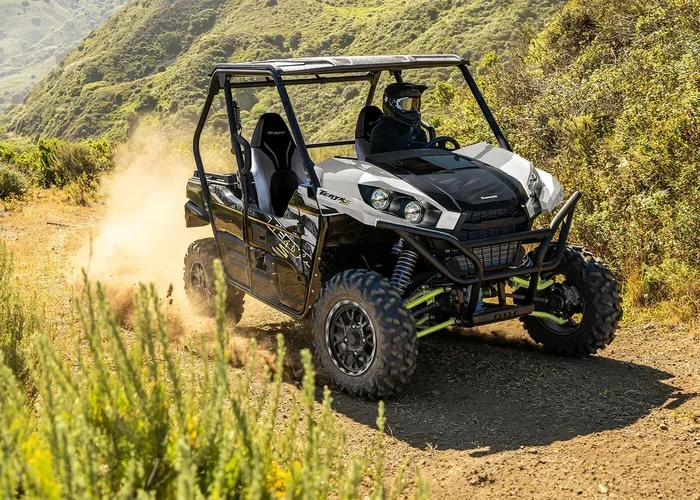
2008 Kawasaki Teryx 750 Common Problems You Should Know
The 2008 Kawasaki Teryx 750 is a popular UTV, but it has known issues that owners should understand. From fuel system glitches and electrical faults to suspension wear and overheating, these problems can affect performance and safety. This guide covers every major issue, offers practical fixes, and shares prevention tips to keep your Teryx running strong.
The 2008 Kawasaki Teryx 750 is a powerful and fun side-by-side UTV that many riders love. It handles trails, dunes, and work sites with ease. But like any machine, it comes with its share of challenges. If you own or are thinking about buying one, understanding 2008 Kawasaki Teryx 750 common problems is essential. This knowledge helps you stay ahead of issues before they become costly repairs.
Every UTV has quirks. The Teryx 750 is no exception. Some owners report engine stalling, others notice electrical gremlins. Suspension parts wear down faster than expected on rough terrain. And the cooling system can struggle during hot rides. The good news is that most of these issues are well-documented. There are clear fixes, prevention steps, and workarounds available. In this article, we break down every major problem area. You will learn what goes wrong, why it happens, and how to solve it. Let us dive in.
Key Takeaways
- Engine and fuel issues are the most reported problems with the 2008 Kawasaki Teryx 750, including stalling and rough idling.
- Electrical gremlins like starting failures and faulty wiring are common and often overlooked during basic maintenance.
- Suspension components wear out faster than expected, especially for riders who tackle rough terrain regularly.
- Clutch and drivetrain wear can lead to expensive repairs if not caught early through regular inspections.
- Overheating and cooling system failures are preventable with proper fluid maintenance and airflow management.
- Consistent preventive maintenance is the single best way to avoid most 2008 Kawasaki Teryx 750 common problems.
- Knowing when to seek professional help saves time, money, and prevents further damage to your UTV.
📑 Table of Contents
- Engine and Fuel System Problems
- Electrical and Starting Issues
- Suspension and Chassis Concerns
- Clutch and Drivetrain Troubles
- Cooling System and Overheating Issues
- Maintenance Tips to Prevent Future Problems
- Comparison: Common Problems and Repair Costs
- When to Seek Professional Help
- Final Thoughts on 2008 Kawasaki Teryx 750 Common Problems
Engine and Fuel System Problems
The engine is the heart of your Teryx 750. When something goes wrong, the whole machine suffers. Many owners of the 2008 Kawasaki Teryx 750 report engine-related issues that range from minor annoyances to serious performance drops. Understanding these problems is the first step toward fixing them.
Stalling and Rough Idling
One of the most common complaints is the engine stalling at idle or under load. Riders often describe the Teryx cutting out when slowing down or sitting at a stop. This problem usually points to a fuel delivery issue. The fuel injectors may be clogged. The fuel pump could be weakening. Or the idle air control valve might be sticking.
Here is what you can do. Start by checking the fuel filter. A dirty filter restricts fuel flow and causes stalling. Replace it if it looks dark or clogged. Next, inspect the fuel injectors. Clean them with a quality fuel injector cleaner. If the problem persists, the fuel pump may need testing. A weak pump cannot deliver consistent pressure. Replacing it often solves the stalling issue completely.
Rough Acceleration and Power Loss
Another frequent issue is a rough or jerky acceleration. The Teryx may hesitate or stumble when you hit the throttle hard. This is often linked to the air-fuel mixture being off. A clogged air filter is a common culprit. When airflow is restricted, the engine runs rich and feels sluggish.
Check your air filter regularly. Clean or replace it every 10 to 15 hours of riding. Also, inspect the spark plugs. Worn or fouled plugs cause misfires and rough running. Use the correct spark plug gap specified in your owner manual. A small adjustment can make a big difference in how your Teryx feels on the trail.
Fuel Pump Failures
The fuel pump in the 2008 Teryx 750 has been known to fail prematurely in some units. Symptoms include difficulty starting, loss of power under load, and engine dying unexpectedly. This is one of the more serious 2008 Kawasaki Teryx 750 common problems because a failed fuel pump leaves you stranded.
To prevent this, use clean, fresh fuel at all times. Contaminated fuel damages the pump quickly. Consider adding a fuel stabilizer if your Teryx sits for long periods between rides. If you notice early symptoms, address them immediately. Waiting too long can cause the pump to fail completely.
Quick Tip: Keep a spare fuel filter in your garage. Replacing it takes minutes and prevents many fuel-related issues before they start.
Electrical and Starting Issues
The electrical system on the Teryx 750 can be tricky. Wiring connections corrode over time, especially after exposure to mud, water, and dust. Electrical problems are frustrating because they often come and go, making them hard to diagnose. But once you know what to look for, most issues are manageable.
Starter Motor and Ignition Problems
Some owners report that the Teryx 750 is slow to start or fails to start altogether. The starter motor may click but not engage. This usually points to a weak battery, corroded terminals, or a faulty starter relay. The 2008 model uses a standard 12-volt battery, and these batteries degrade over time, especially in cold weather.
Check your battery voltage regularly. A healthy battery should read around 12.6 volts when fully charged. Clean the terminals with a wire brush and apply dielectric grease to prevent corrosion. If the battery is more than three years old, consider replacing it proactively. It is much cheaper than being stranded on a trail.
Flickering Lights and Gauge Malfunctions
Flickering headlights or erratic gauge readings are common electrical complaints. These issues often stem from a loose ground wire or a failing voltage regulator. The Teryx 750 has several ground points under the hood and beneath the seat. Over time, vibration and moisture can loosen these connections.
Inspect all ground wires and harness connections. Tighten any loose connectors and clean corroded terminals. If the voltage regulator is failing, you may notice dimming lights or charging issues. Replacing the regulator is straightforward and relatively inexpensive. Always use OEM or high-quality aftermarket parts to ensure reliability.
Kill Switch and Safety Circuit Issues
A less obvious but important electrical issue involves the kill switch and safety circuits. If your Teryx randomly shuts off while riding, the kill switch or its wiring may be faulty. The switch can corrode internally, causing intermittent contact loss. This is one of the more dangerous 2008 Kawasaki Teryx 750 common problems because it can happen at any speed.
Test your kill switch by wiggling it while the engine is running. If the engine stalls or surges, the switch needs cleaning or replacement. Also check the seat safety switch and the lanyard stop switch. These safety features can develop the same corrosion issues over time.
Common Mistake: Many owners ignore flickering lights or intermittent electrical issues. They assume it is nothing. In reality, these early signs often point to a failing component that will get worse over time. Address electrical issues early to avoid being stranded.
Suspension and Chassis Concerns
The Teryx 750 rides like a truck, thanks to its robust suspension system. But all that rough terrain takes a toll. Suspension components wear out, and the chassis can develop issues that affect ride quality and handling. Understanding these problems helps you maintain a smooth, safe ride.
Worn Shock Absorbers
The front and rear shocks on the 2008 Teryx 750 take a beating. After 1,000 to 2,000 miles of trail riding, many owners notice a decline in ride quality. The shocks may feel bouncy, bottom out more often, or leak fluid. Worn shocks reduce traction and make the UTV harder to control on rough terrain.
Inspect your shocks regularly. Look for oil leaks around the shaft and body. Push down on each corner of the UTV and watch how it rebounds. If it bounces more than once, the shock absorbers are likely worn. Replacing them with quality aftermarket shocks can dramatically improve your ride. Many riders upgrade to long-travel shocks for better performance on challenging trails.
Sway Bar and Linkage Wear
The sway bar links and bushings are small but critical components. They connect the suspension to the chassis and keep the Teryx stable during turns. Over time, these bushings crack and wear out. Symptoms include clunking noises over bumps, vague steering, and excessive body roll in corners.
Check the sway bar links for play. Grab each link and try to wiggle it. Any noticeable movement means it is time for a replacement. The bushings are inexpensive parts, and replacing them is a straightforward job. Many owners do this as a DIY project with basic hand tools. Keeping these components in good shape makes a huge difference in how your Teryx handles.
Frame and A-Arm Issues
In rare cases, the A-arms and frame of the Teryx 750 can develop cracks, especially after heavy use or hard impacts. This is more common in riders who push their UTV to the limit on aggressive trails. Early signs include creaking noises from the front end and uneven tire wear.
If you notice any unusual noises or visual cracks, have your Teryx inspected immediately. Frame damage can compromise safety. Reinforcement kits are available from aftermarket manufacturers for riders who want extra durability. Always ride within your machine’s limits and avoid impacts that exceed its design capacity.
Clutch and Drivetrain Troubles
The Teryx 750 uses a CVT (continuously variable transmission) with a belt drive system. This setup is reliable when properly maintained, but it has its own set of common problems. The clutch and drivetrain components need regular attention to perform well.
Clutch Slipping and Engagement Issues
Clutch slipping is a frustrating problem that many Teryx 750 owners encounter. The engine revs high, but the UTV does not accelerate as expected. This usually means the clutch plates are worn or contaminated. Oil or debris on the clutch surfaces causes them to slip. Over time, the friction material wears down and loses its grip.
To prevent clutch slippage, avoid mixing oil types and keep the engine sealed properly. If you notice early signs of slipping, address it quickly. A clutch rebuild kit is relatively affordable, and doing the work yourself can save hundreds of dollars. Clean all clutch components thoroughly during a rebuild and use the correct spring pressure.
Belt Drive Problems
The belt is the lifeline of your CVT system. A worn or damaged belt causes poor acceleration, loss of power, and strange noises. The 2008 Teryx 750 uses a specific belt size, and using the wrong replacement belt can cause serious drivetrain damage.
Inspect your drive belt regularly. Look for fraying, cracking, or glazing on the surface. Replace the belt at the first sign of damage. Many riders carry a spare belt on long rides, especially in remote areas. Keeping the belt properly tensioned also extends its life. Follow the manufacturer’s specifications for tension and alignment.
Heat and Drag in the CVT
The CVT housing generates significant heat during hard riding. Excessive heat breaks down the belt and clutch fluid faster. Some owners notice increased drag or sluggish shifting after extended trail sessions. This is a sign that the CVT system is overheating.
Adding an aftermarket CVT cooling fan can help manage temperatures. Also, make sure the CVT housing vents are clear of debris. Regularly replace the CVT fluid with the manufacturer-recommended specification. Fresh fluid improves shifting quality and protects internal components from heat damage.
Expert Insight: Experienced Teryx owners recommend checking the drive belt and clutch every 50 hours of riding. This simple habit catches small issues before they turn into expensive repairs. A $50 inspection can save you hundreds in drivetrain replacements.
Cooling System and Overheating Issues
The 2008 Kawasaki Teryx 750 is a liquid-cooled machine, which means it relies on a radiator, water pump, and thermostat to maintain safe operating temperatures. When any of these components fail, overheating becomes a serious concern. Overheating can damage the engine, warp cylinder heads, and even seize the engine in extreme cases.
Thermostat Failures
The thermostat is a small but vital part of the cooling system. It regulates coolant flow through the engine. When the thermostat fails, it can get stuck in the closed position, preventing coolant from circulating. The result is rapid overheating, especially during slow-speed riding or idle.
Symptoms of a stuck thermostat include a rapidly climbing temperature gauge, steam from the radiator, and reduced power. If you suspect thermostat failure, replace it immediately. Thermostats are inexpensive and easy to swap out. Many owners keep a spare on hand for emergency situations.
Radiator and Water Pump Concerns
The radiator on the Teryx 750 is exposed to trail debris, mud, and rocks. Over time, fins can bend or become clogged with dirt, reducing cooling efficiency. The water pump can also develop leaks, leading to low coolant levels and overheating.
Keep your radiator clean and free of debris. Rinse it off after muddy rides. Inspect the water pump for any signs of leaking coolant. If you notice a puddle of green or orange fluid under your Teryx after parking, the water pump seal may be failing. Replacing the pump early prevents engine damage from overheating.
Overheating Prevention Tips
Preventing overheating is much easier than fixing it. Here are some practical steps every Teryx 750 owner should follow:
- Check coolant levels before every ride.
- Replace coolant every two years or as recommended.
- Keep the radiator clean and free of debris.
- Install an aftermarket cooling fan if you ride in hot climates.
- Avoid prolonged idling in direct sunlight.
- Monitor your temperature gauge during rides.
- Use the correct coolant type specified by Kawasaki.
These simple habits go a long way in keeping your Teryx cool and running strong. Overheating is one of the most damaging issues for any engine, and prevention is far cheaper than repair.
Maintenance Tips to Prevent Future Problems
The best way to deal with 2008 Kawasaki Teryx 750 common problems is to prevent them from happening in the first place. Regular maintenance keeps your UTV reliable, safe, and performing at its best. Here is a practical maintenance schedule and some tips that every Teryx owner should follow.
Follow the Factory Service Schedule
Kawasaki provides a detailed service schedule in the owner manual. It outlines oil changes, filter replacements, belt inspections, and other maintenance tasks at specific intervals. Following this schedule is the single best thing you can do for your Teryx. Do not skip services just because the UTV seems to be running fine. Preventive maintenance catches small issues before they become big problems.
Keep a Maintenance Log
Many experienced owners keep a simple logbook or spreadsheet tracking every service and repair. Record the date, mileage, and details of each maintenance task. This log helps you stay organized and provides valuable information if you ever need to diagnose a problem or sell the UTV. A well-documented maintenance history also increases the resale value of your Teryx.
Use Quality Parts and Fluids
Using OEM (original equipment manufacturer) parts and Kawasaki-recommended fluids is important for reliability. Aftermarket parts vary widely in quality. While some aftermarket options are excellent, others may not meet the same standards. When in doubt, stick with OEM parts for critical components like the fuel pump, starter motor, and drive belt.
Store Your Teryx Properly
How you store your Teryx between rides matters. Keep it in a dry, covered area to protect against moisture and UV damage. If you will not ride for an extended period, use a fuel stabilizer and disconnect the battery. These simple steps prevent fuel system issues and battery drain during storage.
Key Takeaway: Consistent, proactive maintenance is the foundation of a reliable Teryx 750. Most common problems are preventable with regular care and attention.
Comparison: Common Problems and Repair Costs
Understanding the cost of repairs helps you budget and prioritize maintenance. Below is a comparison table of the most common problems with the 2008 Kawasaki Teryx 750 and their approximate repair costs.
| Problem Area | Common Issue | Estimated Repair Cost |
|---|---|---|
| Fuel System | Clogged injectors or failing fuel pump | $150 – $400 |
| Electrical System | Starter motor or battery failure | $100 – $300 |
| Suspension | Worn shock absorbers or sway bar links | $200 – $600 |
| Clutch System | Slipping clutch or worn clutch plates | $250 – $500 |
| Drive Belt | Worn or damaged CVT belt | $80 – $200 |
| Cooling System | Thermostat failure or water pump leak | $100 – $350 |
| Electrical Wiring | Corroded connections or faulty ground wires | $50 – $150 |
These costs are estimates and can vary based on your location, the severity of the problem, and whether you do the work yourself or hire a mechanic. DIY repairs can save you a significant amount of money, especially for tasks like replacing the drive belt, checking electrical connections, or swapping out suspension components.
When to Seek Professional Help
While many 2008 Kawasaki Teryx 750 common problems can be fixed at home with basic tools, some issues require professional expertise. Complex electrical diagnostics, engine internals, and CVT rebuilds are best left to experienced technicians. If you are unsure about a repair, it is always better to consult a professional than to risk making the problem worse.
Look for a mechanic who specializes in UTVs and ATVs. General auto shops may not have the specific knowledge or tools needed for your Teryx. A qualified Kawasaki dealer or independent UTV specialist can diagnose problems accurately and perform repairs correctly. Investing in professional help for complex issues saves time and prevents costly mistakes.
Remember, your safety matters most. If a problem affects the handling, braking, or structural integrity of your Teryx, do not ride it until the issue is resolved. A few days without riding is far better than risking an accident on the trail.
Final Thoughts on 2008 Kawasaki Teryx 750 Common Problems
The 2008 Kawasaki Teryx 750 is a fantastic UTV that brings excitement and capability to every ride. But it is not without its flaws. From fuel system quirks and electrical gremlins to suspension wear and overheating, the problems discussed in this article are well-known among Teryx owners. The good news is that most of these issues are manageable with the right knowledge and preventive care.
Regular maintenance is your best defense against 2008 Kawasaki Teryx 750 common problems. Check your fluids, inspect your belts, clean your electrical connections, and listen to your machine. Small habits make a huge difference over time. When problems do arise, address them quickly. Delaying repairs almost always leads to more damage and higher costs.
Whether you are a seasoned rider or new to the Teryx world, understanding these common issues empowers you to take control of your ownership experience. You will spend less time worrying about breakdowns and more time enjoying the trails. Keep this guide handy, share it with fellow Teryx owners, and ride with confidence knowing you are prepared for whatever comes your way.
Frequently Asked Questions
What are the most common problems with the 2008 Kawasaki Teryx 750?
The most reported issues include engine stalling and rough idling, electrical starting failures, worn suspension components, clutch slippage, drive belt wear, and overheating. These problems are well-documented across owner forums and repair records. Regular maintenance can prevent or reduce most of these issues.
How do I fix a stalling engine on my 2008 Kawasaki Teryx 750?
Start by checking the fuel filter and replacing it if it is dirty. Clean or replace the fuel injectors and inspect the fuel pump for weak pressure. Also check the idle air control valve for sticking. In many cases, a combination of these steps resolves the stalling problem completely.
Why does my Teryx 750 overheat during slow riding?
Overheating during slow riding is often caused by a stuck thermostat, a clogged radiator, or a failing water pump. Check the thermostat first, as it is the most common and cheapest fix. Keep the radiator clean and free of debris, and ensure the coolant level is adequate before every ride.
Can I prevent electrical problems on my 2008 Kawasaki Teryx 750?
Yes, you can significantly reduce electrical issues by keeping connections clean and tight. Apply dielectric grease to terminals to prevent corrosion. Inspect wiring harnesses regularly for wear or damage. Replace the battery every three to four years, and address flickering lights or gauge issues immediately before they worsen.
How often should I replace the drive belt on my Teryx 750?
The drive belt should be inspected every 50 hours of riding and replaced as needed. Most owners replace the belt every 1,000 to 2,000 miles depending on riding conditions. Avoid riding in deep mud or water for extended periods, as this accelerates belt wear significantly.
Is it worth repairing a 2008 Kawasaki Teryx 750 with high mileage?
Absolutely. The Teryx 750 is a durable machine that can last many years with proper care. Most common problems are repairable at reasonable costs. High-mileage Teryx models often have years of reliable riding left if major components like the engine, clutch, and drivetrain are well maintained. Focus on prevention and timely repairs to get the most value from your UTV.