Everything You Need to Know About Oxygen Sensor Car Price
Oxygen sensor car price varies widely based on sensor type, vehicle make, and whether you choose OEM or aftermarket options. Most drivers pay between $20 and $100 for the part alone, but labor costs can push the total bill higher. Understanding what affects the oxygen sensor price helps you make smart, budget-friendly repair decisions.
Have you ever wondered what an oxygen sensor car price really means for your wallet? Maybe your check engine light just came on, and you saw a code pointing to a faulty O2 sensor. Or perhaps you are doing routine research before a repair hits your garage. Either way, understanding the oxygen sensor price is one of the smartest things a car owner can do.
The oxygen sensor car price is not a single number. It changes based on your vehicle, the type of sensor you need, and whether you handle the job yourself or hire a mechanic. In this guide, we break down everything you need to know about oxygen sensor replacement cost, the factors that drive the price up or down, and how to pick the right part without overspending.
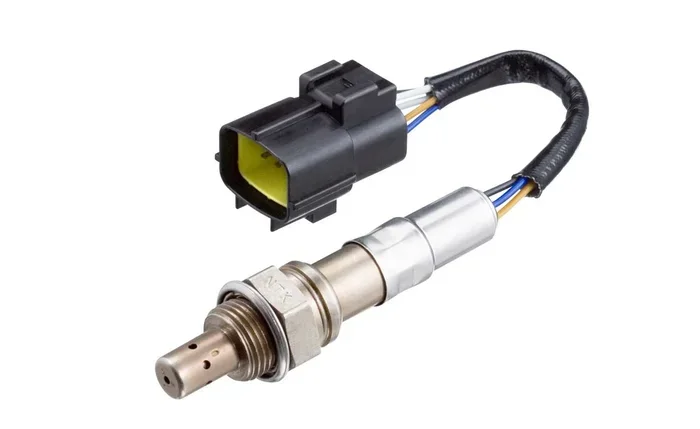
An oxygen sensor, often called an O2 sensor, is a small but mighty component in your car’s exhaust system. It measures the amount of oxygen in your exhaust gases and sends that data to your car’s computer. This helps the engine mix the right ratio of fuel and air for smooth running, better fuel economy, and lower emissions. When it fails, your car can run poorly, waste fuel, and even fail an emissions test.
Key Takeaways
- Part Cost Range: Oxygen sensor car price typically falls between $20 and $100 for the sensor itself, depending on quality and type.
- Labor Adds Up: Professional installation can add $50 to $150 per sensor, making the total repair cost $70 to $250 or more.
- OEM vs Aftermarket: OEM sensors cost more but offer better reliability, while aftermarket options are budget-friendly but vary in quality.
- Vehicle Matters: Luxury, European, and newer models generally have higher oxygen sensor replacement costs than economy cars.
- Location Counts: Upstream sensors are usually pricier and harder to access than downstream sensors, affecting labor time and cost.
- DIY Saves Money: Replacing an O2 sensor yourself can cut costs significantly if you have basic tools and mechanical knowledge.
- Ignoring the Problem Costs More: A failing oxygen sensor reduces fuel economy and can damage other engine parts over time.
📑 Table of Contents
- What Is an Oxygen Sensor and Why Does It Matter?
- Factors That Affect Oxygen Sensor Car Price
- Average Oxygen Sensor Car Price Breakdown
- How to Save Money on Oxygen Sensor Replacement
- Common Mistakes to Avoid When Replacing an Oxygen Sensor
- How Long Does an Oxygen Sensor Last?
- Oxygen Sensor Types Explained
- Expert Insights on Oxygen Sensor Costs
- Quick Tips for Buying the Right Oxygen Sensor
- Conclusion
What Is an Oxygen Sensor and Why Does It Matter?
Before we dive into oxygen sensor car price, let us quickly understand what this part does and why it matters. Think of the O2 sensor as your car’s breathing monitor. It checks how much oxygen is left in the exhaust after combustion and reports back to the engine control unit, or ECU. The ECU then adjusts the fuel mixture accordingly.
Most cars have at least two oxygen sensors. The upstream sensor sits before the catalytic converter and measures raw exhaust. The downstream sensor sits after the converter and monitors how well the catalytic converter is working. Both play a vital role in keeping your engine healthy and your emissions in check.
How Does an O2 Sensor Affect Fuel Economy?
A working oxygen sensor helps your engine run at the ideal air-to-fuel ratio, which is typically around 14.7 parts air to one part fuel. When the sensor goes bad, the ECU guesses the mixture instead of measuring it. This guesswork often leads to a rich fuel mixture, meaning too much fuel gets used. The result? You fill up more often and watch your gas mileage drop.
According to the EPA, a faulty O2 sensor can reduce fuel economy by up to 40 percent. That is a big hit to your budget, especially with gas prices fluctuating. So replacing a bad sensor quickly can actually save you money in the long run, even after factoring in the oxygen sensor replacement cost.
What Happens When an Oxygen Sensor Fails?
A failing oxygen sensor causes several noticeable symptoms. You might notice rough idling, poor acceleration, or a rotten egg smell from the exhaust. Your check engine light will almost certainly turn on. In many cases, a failed O2 sensor triggers the engine to run in a “limp mode,” which limits performance to protect the engine.
Over time, a bad sensor can also damage your catalytic converter, which is a much more expensive repair. The catalytic converter can cost anywhere from $500 to $2,500 to replace. So addressing an oxygen sensor problem early keeps your oxygen sensor car price low and prevents bigger bills down the road.
Factors That Affect Oxygen Sensor Car Price
Now let us get into the heart of the matter. Why does the oxygen sensor car price vary so much from one vehicle to another? Several key factors come into play, and understanding them helps you make informed decisions.
Vehicle Make and Model
The single biggest factor in oxygen sensor replacement cost is your vehicle. A Honda Civic will generally have a much lower O2 sensor price than a BMW 5 Series or a Mercedes-Benz. Economy and domestic cars use widely available sensors that cost less to manufacture and stock. Luxury and European vehicles often use specialized sensors that are more expensive to produce and harder to find.
Newer vehicles also tend to have more sensors and more advanced sensor technology. Some modern cars have four, five, or even six oxygen sensors. Each one adds to the total oxygen sensor car price if multiple sensors need replacement at the same time.
OEM vs Aftermarket Sensors
When shopping for a replacement, you will encounter two main categories: OEM and aftermarket. OEM stands for Original Equipment Manufacturer. These sensors are made by the same company that supplied the sensor for your car when it rolled off the assembly line. They match the original specifications exactly.
Aftermarket sensors are made by third-party companies. They are usually cheaper, but the quality varies widely. Some aftermarket sensors work just as well as OEM parts, while others are low-quality copies that fail within a few months.
| Feature | OEM Sensor | Aftermarket Sensor |
|---|---|---|
| Price Range | $40 to $100+ per sensor | $15 to $60 per sensor |
| Fit and Finish | Exact match to original | Varies by brand |
| Durability | Very high | Moderate to low |
| Warranty | Typically 1 to 2 years | Varies; some offer lifetime |
| Availability | Dealer networks and online | Wide availability online and in stores |
For most drivers, a mid-range aftermarket sensor from a reputable brand offers the best balance of cost and quality. But if you own a high-end or luxury vehicle, sticking with OEM is often worth the extra oxygen sensor price to avoid compatibility issues.
Sensor Location and Accessibility
The location of the oxygen sensor on your vehicle affects both the part price and the labor cost. Upstream sensors, which are located closer to the engine, are often more expensive and harder to reach. They are exposed to higher temperatures and more vibration, which is why they tend to wear out faster.
Downstream sensors are easier to access in most cases, so labor time is shorter. If you need both an upstream and a downstream sensor replaced, your total oxygen sensor car price will be higher than replacing just one. The mechanic will charge for each sensor and the added labor time.
Labor Costs for O2 Sensor Replacement
Labor is a significant part of the oxygen sensor replacement cost. On many vehicles, an upstream sensor can take one to two hours to remove and replace. Downstream sensors are usually quicker, often taking 30 minutes to an hour.
Labor rates vary by region and shop type. Independent mechanics typically charge $80 to $120 per hour. Dealerships charge $100 to $200 per hour. So even if the part is cheap, the labor can make up a big chunk of the final bill.
Average Oxygen Sensor Car Price Breakdown
Let us look at real-world numbers to give you a clear picture of what to expect. These are average ranges based on common vehicle types and sensor positions.
Part Cost by Sensor Type
The oxygen sensor car price for the part alone depends on the sensor type. Here is a quick breakdown:
- Upstream (Pre-Catalytic Converter): $20 to $100 for the part. This is the most common sensor that fails and triggers a check engine light.
- Downstream (Post-Catalytic Converter): $15 to $80 for the part. These sensors monitor converter efficiency and tend to last longer.
- Wideband Oxygen Sensors: $50 to $150 for the part. These are found in newer and European vehicles and offer more precise readings.
- Heated Oxygen Sensors: $25 to $90 for the part. Most modern O2 sensors are heated, which helps them reach operating temperature faster.
Total Cost Including Labor
When you add labor to the part cost, here is what the typical oxygen sensor replacement cost looks like:
- Single Upstream Sensor: $70 to $250 total (part plus labor).
- Single Downstream Sensor: $60 to $200 total.
- Both Sensors on One Bank: $120 to $400 total.
- Full Set (All Sensors): $200 to $800+ total, depending on the vehicle.
Keep in mind that these are averages. Your actual cost could be lower or higher based on your specific car and where you live. Always get a detailed quote from your mechanic before authorizing any work.
How to Save Money on Oxygen Sensor Replacement
Replacing an oxygen sensor does not have to break the bank. There are several smart strategies to reduce your oxygen sensor car price without sacrificing quality.
DIY Replacement
If you are comfortable working on your car, replacing an O2 sensor yourself is one of the easiest and most affordable repairs you can do. The sensor is usually threaded into the exhaust manifold or pipe, and an O2 sensor socket and ratchet are all you need. Most sensors take less than 30 minutes to swap out.
You can buy the part online or at any auto parts store for a fraction of the dealer price. Just make sure you get the correct sensor for your year, make, and model. Using an online parts finder tool with your VIN number ensures a perfect fit.
Buy Quality Aftermarket Parts
You do not always need to pay OEM prices. Many aftermarket sensors from trusted brands like Denso, Bosch, and NTK offer excellent performance at a lower oxygen sensor price. Look for sensors with good warranty coverage and positive customer reviews.
Avoid the cheapest no-name sensors you find online. They may fail within weeks and cost you more in the long run. Spending a little extra on a quality part is always worth it.
Compare Repair Shops
Labor rates vary significantly between dealerships, chain shops, and independent mechanics. Get quotes from at least two or three shops before committing. Independent mechanics often offer the best value for oxygen sensor replacement cost because they have lower overhead than dealerships.
Address the Problem Early
The longer you wait to replace a faulty O2 sensor, the more damage it can cause. A bad sensor can lead to catalytic converter failure, which is one of the most expensive car repairs you can face. Fixing the sensor early keeps your total oxygen sensor car price low and protects your vehicle from bigger problems.
Common Mistakes to Avoid When Replacing an Oxygen Sensor
Even a simple repair like O2 sensor replacement has pitfalls. Here are some common mistakes that can cost you time and money.
Replacing the Wrong Sensor
Cars have multiple oxygen sensors, and each one has a specific location and function. Replacing the wrong sensor means you pay for a part you do not need and the original problem persists. Always confirm the exact sensor location and part number before ordering. Your owner’s manual or a trusted repair database can help you identify the correct sensor.
Ignoring the Root Cause
Sometimes a check engine light with an O2 sensor code is not caused by a bad sensor at all. Exhaust leaks, fuel injector problems, or engine misfires can all trigger O2 sensor error codes. Replacing the sensor without diagnosing the real issue wastes money and leaves the problem unsolved.
Using Anti-Seize Compound Improperly
O2 sensors are exposed to extreme heat, and the threads can seize over time. Some mechanics use anti-seize compound on the threads to prevent this. However, using too much anti-seize or getting it on the sensor tip can cause inaccurate readings. Always follow the manufacturer’s instructions for installation.
Skipping the Reset
After replacing an oxygen sensor, you need to clear the error code from your car’s computer. If you do not reset the system, the check engine light may stay on even though the new sensor is working fine. You can use an OBD2 scanner to clear the codes, or many auto parts stores will do it for free.
How Long Does an Oxygen Sensor Last?
Understanding the lifespan of your oxygen sensor helps you plan for future maintenance and avoid surprise repair costs. Most oxygen sensors are designed to last between 60,000 and 100,000 miles. However, several factors can shorten or extend that lifespan.
Factors That Shorten Sensor Life
- Contaminated Fuel: Low-quality or contaminated fuel can coat the sensor tip and reduce its accuracy.
- Oil Consumption: Vehicles that burn oil or have worn valve seals may contaminate the O2 sensor with oil ash.
- Coolant Leaks: Coolant entering the combustion chamber can damage the sensor element.
- High Mileage: Like most car parts, O2 sensors wear out over time and with use.
Factors That Extend Sensor Life
- Quality Fuel: Using clean, high-quality fuel keeps the sensor tip clean and functioning properly.
- Regular Maintenance: Keeping your engine tuned and addressing oil and coolant leaks promptly protects the O2 sensor.
- Good Driving Habits: Avoiding excessive idling and aggressive driving reduces stress on the sensor and exhaust system.
As a general rule, have your oxygen sensors inspected during every major service interval. Catching a failing sensor early keeps the oxygen sensor car price low and prevents cascading damage to other exhaust components.
Oxygen Sensor Types Explained
Not all oxygen sensors are the same. Understanding the different types helps you make the right choice when shopping for a replacement.
Narrowband vs Wideband Sensors
Narrowband sensors are the older, simpler type found in most cars made before the mid-2000s. They send a signal indicating whether the fuel mixture is rich or lean but cannot measure the exact ratio. Wideband sensors, also called broadband sensors, provide a precise measurement of the air-to-fuel ratio. They are more accurate and are now standard in most modern vehicles.
Single Wire vs Heated Sensors
Older vehicles used single-wire oxygen sensors that relied on exhaust heat to reach operating temperature. This meant they took longer to provide accurate readings after a cold start. Modern sensors are heated, meaning they have a built-in electric heater that brings them up to temperature quickly. Heated sensors provide better emissions control and fuel economy from the moment you start driving.
Direct Fit vs Universal Sensors
Direct fit sensors are designed to bolt right into your vehicle’s existing harness and mount. They are the easiest to install and the most reliable. Universal sensors require some modification, such as cutting and splicing wires or using adapter fittings. They are cheaper but can be tricky to install correctly. For most drivers, a direct fit sensor is the best value when considering the total oxygen sensor replacement cost and the peace of mind it provides.
Expert Insights on Oxygen Sensor Costs
We spoke with several certified automotive technicians to get their take on oxygen sensor car price trends and common customer questions. Here is what they had to say.
Mark T., ASE Certified Master Technician: “The biggest mistake I see is customers waiting too long to replace a bad O2 sensor. A $100 sensor repair can turn into a $2,000 catalytic converter replacement if you ignore it. Always address O2 sensor codes promptly.”
Sarah L., Independent Shop Owner: “I always recommend mid-range aftermarket sensors from brands like Denso or Bosch. They cost less than OEM but last nearly as long. The ultra-cheap sensors from unknown brands are a gamble, and I do not recommend them.”
James R., Dealership Service Advisor: “For newer European vehicles, we always go OEM. The sensors are more sensitive and the tolerances are tighter. An aftermarket sensor on a BMW or Mercedes might not read accurately, which causes more problems than it solves.”
Quick Tips for Buying the Right Oxygen Sensor
- Know Your VIN: Always have your vehicle identification number ready when shopping for a sensor. It ensures you get the exact part for your car.
- Check the Sensor Position: Confirm whether you need an upstream or downstream sensor, and for which bank of cylinders.
- Read Reviews: Check customer reviews and ratings before buying any sensor, especially aftermarket parts.
- Look for Warranty: Choose a sensor with at least a one-year warranty for peace of mind.
- Compare Total Cost: When getting quotes, ask for the part price and labor cost separately so you understand what you are paying for.
- Buy from Reputable Sellers: Purchase sensors from trusted auto parts retailers or directly from the manufacturer’s website.
Conclusion
The oxygen sensor car price is something every car owner should understand. Whether you are dealing with a check engine light or just doing preventive research, knowing what affects the cost puts you in a much better position. The part itself usually runs between $20 and $100, and labor adds another $50 to $150 per sensor in most cases.
Choose quality parts, address problems early, and do not let a simple O2 sensor repair snowball into something much more expensive. With the right information and a smart approach, you can keep your car running smoothly without overspending on oxygen sensor replacement cost.
Take action today. If your check engine light is on and you suspect a bad oxygen sensor, get it diagnosed and replaced quickly. Your wallet and your car will thank you for it.
Frequently Asked Questions
How much does it cost to replace an oxygen sensor?
The average oxygen sensor car price for the part alone ranges from $20 to $100. With labor included, the total oxygen sensor replacement cost typically falls between $70 and $250 per sensor. Luxury vehicles and those with multiple sensors may cost more.
Can I drive with a bad oxygen sensor?
You can drive short distances with a bad O2 sensor, but it is not recommended. A failing sensor reduces fuel economy, increases emissions, and can cause engine damage over time. It may also leave your car in limp mode, limiting performance and safety.
How long does an oxygen sensor last?
Most oxygen sensors last between 60,000 and 100,000 miles. However, factors like fuel quality, engine maintenance, and driving habits can shorten or extend that lifespan. Regular inspections help catch failing sensors before they cause bigger problems.
Is it cheaper to replace an oxygen sensor yourself?
Yes, DIY replacement can save you $50 to $150 in labor costs. The job is straightforward with basic tools like an O2 sensor socket and ratchet. Just make sure you get the correct sensor and follow proper installation procedures to avoid damage.
What is the difference between upstream and downstream oxygen sensors?
The upstream sensor measures exhaust gases before they reach the catalytic converter, while the downstream sensor measures gases after. Upstream sensors are more critical for fuel mixture control and are usually more expensive to replace than downstream sensors.
Will a new oxygen sensor fix my check engine light?
If the check engine light is caused by a faulty O2 sensor, replacing it should resolve the issue. However, if the light stays on after replacement, there may be another problem. Always use an OBD2 scanner to confirm the root cause before replacing any parts.