Window Tint Laws by State and What Every Driver Should Know
Window tint laws by state vary widely, and every driver should understand the rules before tinting their car windows. The legal tint percentage depends on your vehicle type, window location, and the state you live in. This guide breaks down visible light transmission limits, medical exemptions, and penalties for illegal tint across all 50 states. Knowing the state tint laws can save you from costly fines and failed inspections. Let this guide help you stay compliant and protect your investment.
Window tinting is one of the most popular car upgrades you can make. It keeps your car cooler, reduces glare, and adds a sleek look to your ride. But here is the thing many drivers overlook. Every state has its own rules about how dark your tint can be. If you do not follow the window tint laws by state, you could face a ticket, a fine, or even fail your vehicle inspection. This guide breaks down everything you need to know about legal tint limits across the country.
Whether you are thinking about tinting your car for the first time or you already have tint and want to make sure it is legal, this article has you covered. We will walk through the basics of tint darkness, visible light transmission, and what each state allows. You will learn about medical exemptions, common mistakes to avoid, and tips to keep your tint compliant for years to come. Let us dive in.
Key Takeaways
- Tint laws differ by state: Each state sets its own limits for tint darkness and reflectivity on different windows.
- VLT percentage matters: The visible light transmission percentage determines whether your tint is legal.
- Medical exemptions exist: Many states allow special tint permits for individuals with sun sensitivity or skin conditions.
- Penalties vary widely: Fines for illegal tint range from $50 to over $500 depending on the state.
- Front side windows have stricter rules: Most states require higher light transmission on front side windows than rear windows.
- Professional installation helps: A licensed tint shop ensures your film meets local regulations.
- Check your state’s current laws: Tint regulations can change, so always verify before tinting.
📑 Table of Contents
What Are Window Tint Laws?
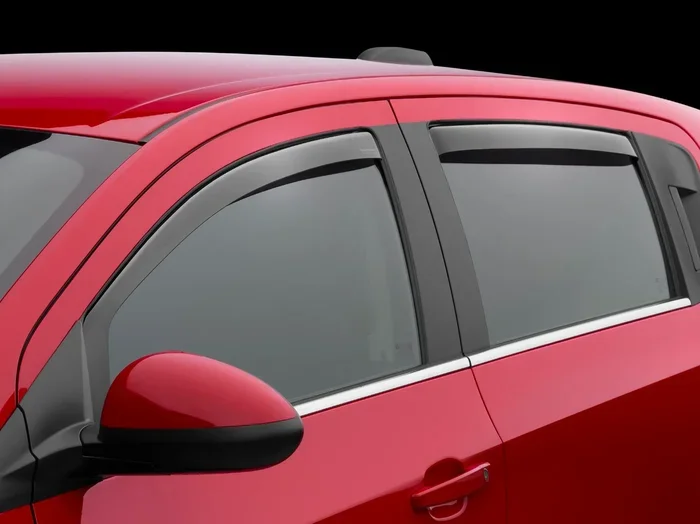
Window tint laws are rules set by each state government. They control how dark or reflective you can make your car windows. These laws exist for safety reasons. Dark tint can reduce visibility, especially at night or in bad weather. Police officers need to see inside your vehicle during traffic stops. Tint laws help them do that safely.
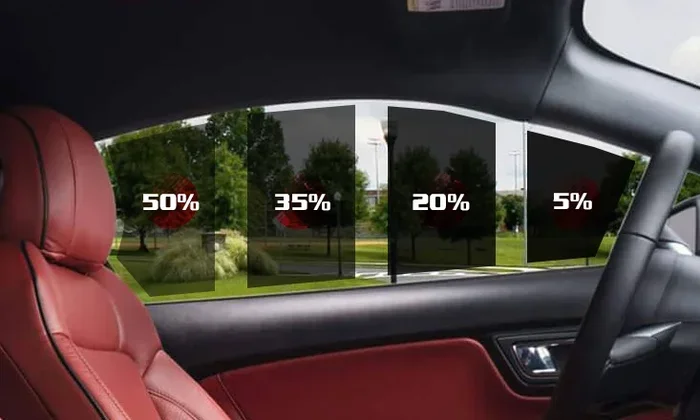
Each state measures tint darkness using a system called visible light transmission, or VLT. VLT is the percentage of light that passes through your window film. A higher VLT means more light gets through. A lower VLT means darker tint. For example, a VLT of 70% lets in 70% of light, while a VLT of 5% lets in only 5%. Understanding this number is the first step to staying legal.
How VLT Percentage Works
The tint percentage you choose directly affects whether your film is legal. Most states set different VLT limits for different windows. The front side windows usually have stricter rules than the rear windows. The windshield also has its own set of rules in most states. Let us look at a simple example.
In California, the front side windows must allow at least 70% of light through. That means your tint film can only block up to 30% of light. But the rear windows can be much darker. You can go as low as any VLT you want on the back seats and rear windshield. This pattern is common in many states, but not all of them. Some states allow very dark tint on every window. Others are much stricter.
Why Tint Laws Exist
You might wonder why states even have these rules. The answer comes down to safety and law enforcement. Here are the main reasons tint laws exist in the first place.
- Driver visibility: Dark tint can make it hard to see the road, especially at night or during rain.
- Police safety: Officers need to see inside a vehicle during traffic stops for their own safety.
- Identity verification: Law enforcement needs to identify drivers and passengers quickly.
- Crash response: First responders need to see inside a vehicle after an accident to help passengers.
- Uniform standards: States create consistent rules so every driver follows the same guidelines.
These reasons make sense when you think about them. Tint laws are not just about making rules for the sake of it. They protect everyone on the road. That is why it is so important to know and follow the window tint regulations in your state.
Window Tint Laws by State
The state tint laws vary a lot from one state to the next. Some states are very lenient, while others are strict. Let us look at a few examples to give you a clear picture. Keep in mind that this is not a complete list of every state. It is a snapshot to show you how different the rules can be.
California
California has some of the strictest tint laws in the country. The front side windows must have a VLT of at least 70%. The rear side windows and rear windshield can be any darkness you want. Reflective tint is not allowed on the front side windows. The windshield can have a non-reflective tint strip at the top, but only in the top four inches.
Texas
Texas allows darker tint than California. The front side windows must allow at least 25% of light through. The rear side windows and rear windshield can be any darkness. The windshield tint strip is allowed above the AS-1 line, which is usually the top five inches. Texas also allows aftermarket tint film with some reflectivity limits.
New York
New York requires the front side windows to have a VLT of at least 70%. The rear side windows and rear windshield can be any darkness. Reflective or mirrored tint is not allowed on any window. The windshield can have a tint strip at the top, but it must be no lower than the top six inches.
Florida
Florida is more lenient with its tint laws. The front side windows must allow at least 28% of light through. The rear side windows and rear windshield can be any darkness. Florida allows a tint strip on the windshield above the manufacturer’s AS-1 line. Reflective tint is limited to 25% reflectivity on front and rear side windows.
Illinois
Illinois has moderate rules. The front side windows must allow at least 35% of light through. The rear side windows can be any darkness. The windshield can have a non-reflective tint strip on the top six inches. Illinois also requires a sticker on the driver’s side window to show that the tint is legal.
Medical Exemptions for Window Tint
Some people need darker tint for health reasons. Conditions like lupus, eczema, or severe sun allergies make ordinary sun exposure dangerous. Many states offer medical exemption tint permits for these situations. A doctor can write a prescription or provide documentation that you need special tint protection.
Here is how medical exemptions typically work. You visit your doctor and get a written statement explaining your condition and why darker tint is necessary. You then submit this paperwork to your state’s Department of Motor Vehicles or equivalent agency. If approved, you receive a permit or exemption sticker. This sticker goes on your vehicle to show law enforcement that your tint is legal.
Not every state offers medical exemptions, and the rules vary. Some states allow exemptions for any window. Others limit the exemption to the front side windows only. The allowed VLT under a medical exemption is also different in each state. Always check with your local DMV to learn the exact process in your area.
Common Conditions That Qualify
- Lupus or other autoimmune disorders
- Severe photosensitivity
- Skin cancer or history of skin cancer
- Chronic eczema or dermatitis aggravated by sun exposure
- Certain eye conditions that increase light sensitivity
Penalties for Illegal Tint
Getting caught with illegal tint can cost you more than just a headache. The penalties depend on your state and how dark your tint is. Here is what you might face if your tint does not meet the legal tint limits.
- Tint ticket: Most states issue a citation or fix-it ticket for illegal tint. The fine can range from $50 to $500 or more.
- Vehicle inspection failure: Your car may not pass inspection if the tint is too dark. This can prevent you from registering your vehicle.
- Required removal: In some states, you must remove the illegal tint within a set time frame or face additional fines.
- Repeat violations: Getting caught multiple times can lead to higher fines and even court appearances.
One of the most common mistakes drivers make is assuming their tint was legal when they bought it. Tint shops in other states may apply films that are perfectly legal there but illegal in your state. Always confirm the VLT of your tint film and compare it to your state’s window tint laws by state requirements.
How to Check if Your Tint Is Legal
Checking your tint compliance is easier than you might think. Here are a few simple steps you can follow.
- Find out your state’s VLT limits for each window type.
- Ask your tint installer for the VLT percentage of the film they used.
- Use a VLT meter to measure the actual light transmission through your windows.
- Compare your measurements to your state’s legal limits.
- If you are close to the limit, consider replacing the film with a lighter shade.
Some auto parts stores and tint shops offer free VLT testing. This is a great way to make sure you are within the legal range without spending a dime. If you find that your tint is too dark, you have options. You can either remove the film entirely or replace it with a lighter, legal film.
Tips for Choosing Legal Window Tint
Tinting your car does not have to be a gamble. With a little research, you can choose a film that looks great and stays legal. Here are some practical tips to help you make the right choice.
Work with a Reputable Installer
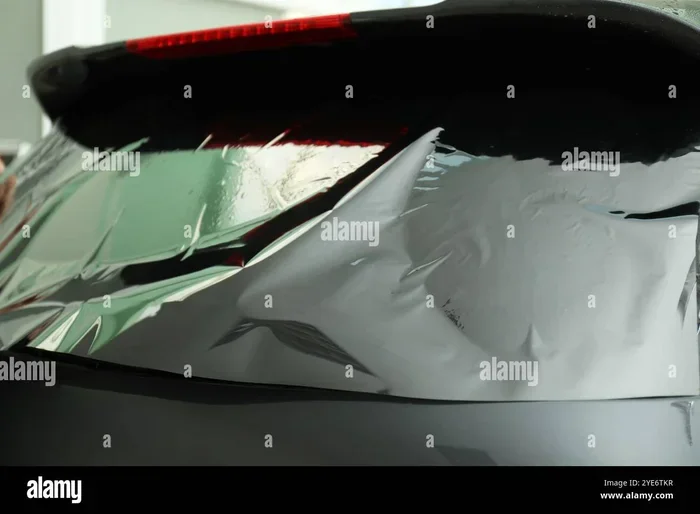
A professional tint installation shop knows the local laws. They will recommend films that meet your state’s requirements. They also handle the paperwork if your state requires a sticker or certificate. Avoid DIY tint kits unless you are confident in your knowledge of the law. A bad install can lead to bubbling, peeling, and even more legal trouble.
Ask About the Film’s VLT Before Installation
Always ask the installer for the exact VLT percentage of the film they plan to use. Do not guess or assume. Get it in writing if possible. This protects you if you ever get pulled over or need to prove your tint is legal during an inspection.
Consider the Purpose of Your Tint
Think about why you want tint in the first place. If it is for heat reduction, you can find films that block infrared heat while still staying within legal VLT limits. If it is for privacy, you have options that darken the interior view without going below the legal limit. If it is for UV protection, many clear films block 99% of UV rays without changing the tint darkness at all.
Keep Your Tint in Good Condition
Tint can degrade over time. Bubbles, peeling, and discoloration can change the VLT of your windows. A film that was legal when installed might not look the same after a few years. Regularly inspect your tint and replace it if it starts to wear. This keeps your car looking good and keeps you on the right side of the law.
Common Mistakes Drivers Make with Window Tint
Even well-meaning drivers run into trouble with tint laws. Here are some of the most common mistakes and how to avoid them.
- Assuming all states have the same rules: Tint laws vary dramatically. What is legal in one state may be illegal in the next.
- Buying tint online without checking local laws: Online tint kits come with no guidance on state-specific regulations.
- Ignoring the windshield rules: Many drivers forget that the windshield has its own tint restrictions in most states.
- Not getting a sticker or certificate: Some states require proof of legal tint. Without it, you may get pulled over even if your tint is within limits.
- Overlooking reflective tint limits: Some states ban reflective or mirrored tint entirely. Others limit it to a specific percentage.
- Forgetting about the rear window: If your rear window is tinted, many states require dual side mirrors to compensate for reduced visibility.
Avoiding these mistakes is simple. Take a few minutes to research your state’s laws before you tint your windows. Ask questions. Get documentation. A little effort upfront can save you a lot of trouble later.
Quick Tips for Staying Compliant
- Always check your state’s current tint laws before installing new film.
- Keep a copy of your tint permit or exemption documentation in your vehicle.
- Choose a licensed and experienced tint installer who knows local regulations.
- Request a written VLT specification for your tint film at the time of installation.
- Re-inspect your tint annually to make sure it has not degraded.
- Replace worn or damaged tint promptly to maintain both appearance and compliance.
Conclusion
Window tint laws by state are not as complicated as they might seem at first glance. Once you understand the basics of VLT percentage, tint darkness, and which windows have which rules, it all starts to make sense. The key is to do your homework before you tint your car. Know your state’s limits, choose the right film, and work with a professional installer.
Staying compliant with window tint regulations protects you from fines and keeps you safe on the road. It also ensures your tint looks great for years to come. Whether you live in a strict state like California or a more lenient one like Texas, the rules apply to you. Take them seriously, and you will enjoy all the benefits of tinted windows without any of the headaches.
Use this guide as your starting point. Check your state’s specific laws, ask questions, and make informed decisions. Your car, your wallet, and your peace of mind will all thank you.
Frequently Asked Questions
What is the legal tint percentage for front windows?
The legal tint percentage for front side windows varies by state. Some states allow up to 70% VLT, while others permit as low as 25% VLT. Check your specific state’s laws to know the exact limit for your front windows.
Can I get a ticket for illegal window tint?
Yes, you can receive a tint ticket if your window film does not meet your state’s legal limits. Fines vary by state but can range from $50 to over $500. In some cases, you may also be required to remove the illegal tint.
Do I need a medical exemption for dark tint?
If you need darker tint than your state’s standard legal limit, you may qualify for a medical exemption tint permit. This requires documentation from a licensed physician explaining your condition. Not all states offer medical exemptions, so check with your local DMV first.
Is reflective tint legal on car windows?
Reflective tint laws vary by state. Some states ban reflective tint entirely, while others allow it up to a certain reflectivity percentage. Always confirm the reflectivity limits with your state’s window tint laws by state guidelines before applying reflective film.
Can I tint my windshield?
Most states allow a non-reflective tint strip on the windshield, but only in a specific area. This is usually the top few inches above the AS-1 line. Full windshield tint is illegal in most states. Check your local regulations for exact measurements.
How long does window tint last before it needs replacement?
Quality aftermarket tint film typically lasts between five and ten years. However, factors like sun exposure, climate, and installation quality can affect its lifespan. Regular inspection helps you catch wear early and stay compliant with legal tint limits.