What Is Lock-to-Lock Steering Everything You Should Know
Lock-to-lock steering refers to the total angle a steering wheel can turn from one extreme to the other. It directly affects your vehicle handling, turning radius, and overall steering feedback. Understanding this concept helps drivers make smarter choices about car setup, tire upgrades, and daily driving comfort. This guide covers everything from basic mechanics to advanced tips you can use right away.
Key Takeaways
- Lock-to-lock steering defines the full turning range of your steering wheel: It tells you how far the wheel can rotate in each direction before the wheels hit their physical limits.
- It impacts turning radius and maneuverability: A wider lock-to-lock range often means a tighter turning radius, which is great for parking and tight spaces.
- Steering ratio plays a big role: The relationship between steering wheel turns and wheel angle determines how responsive your car feels on the road.
- Different systems offer different lock-to-lock values: Rack-and-pinion, hydraulic steering, and electric power steering all behave differently at full lock.
- Common mistakes can damage your steering system: Turning the wheel to full lock and holding it can strain components and reduce steering lifespan.
- Aftermarket upgrades can change lock-to-lock steering behavior: Adjustable steering racks and modified steering knuckles can alter your vehicle’s turning capabilities.
- Regular maintenance keeps steering smooth: Checking fluid levels, alignment, and steering play helps maintain optimal lock-to-lock performance over time.
📑 Table of Contents
- What Is Lock-to-Lock Steering and Why Does It Matter?
- The Steering System Components That Control Lock-to-Lock
- Why Lock-to-Lock Steering Affects Your Driving Experience
- Lock-to-Lock Steering in Different Vehicle Types
- Common Lock-to-Lock Steering Mistakes and How to Avoid Them
- Quick Tips for Better Lock-to-Lock Steering
- How to Improve Your Lock-to-Lock Steering Setup
- Expert Insight: The Role of Steering Geometry
- Conclusion
What Is Lock-to-Lock Steering and Why Does It Matter?
Have you ever turned your steering wheel all the way to the left and then all the way to the right? If so, you have experienced lock-to-lock steering in action. This term describes the total rotation angle of the steering wheel from one full lock to the other full lock. It is one of the most important yet overlooked aspects of how your car handles the road.
Lock-to-lock steering affects everything from how easily you park your car to how stable it feels at high speeds. When you understand this concept, you gain a deeper appreciation for how your vehicle responds to your inputs. Whether you drive a compact city car or a large SUV, the lock-to-lock steering range plays a direct role in your daily driving experience.
Many drivers never think about their steering system until something goes wrong. But knowing how lock-to-lock steering works can help you spot problems early, choose the right tires, and even improve your car’s overall performance. This guide breaks it all down in simple, easy-to-understand terms.
How Lock-to-Lock Steering Works
At its core, lock-to-lock steering is about geometry and mechanical limits. When you turn the steering wheel, it connects to a steering column, which feeds into a steering gearbox or rack. This mechanism translates your hand movements into wheel movement. The wheels can only turn so far in each direction before they hit a physical stop. That stop is what we call full lock.
The total angle from one full lock to the opposite full lock is the lock-to-lock steering value. For most passenger cars, this range falls between 360 and 720 degrees. Sports cars often have a narrower lock-to-lock range because they use a steering ratio that prioritizes quick response over comfort. Trucks and large vehicles tend to have a wider lock-to-lock range to achieve a smaller turning radius.
The steering mechanism inside your car determines how much wheel rotation you get from each degree of steering input. This is where terms like rack and pinion and recirculating ball steering come into play. Each design offers a different lock-to-lock steering feel and performance profile.
The Steering System Components That Control Lock-to-Lock
Your steering system is a chain of connected parts. Each component plays a role in determining how your lock-to-lock steering behaves. Let us break down the key parts.
The Steering Wheel and Column
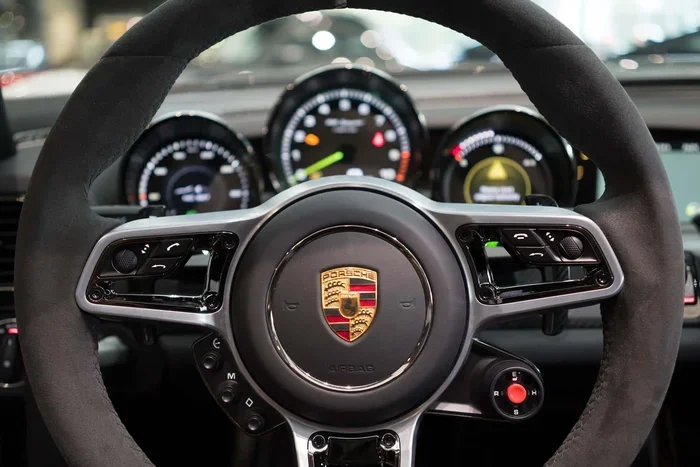
The steering wheel is where you make contact. Its size and the length of the steering column both influence how the lock-to-lock steering feels. A larger steering wheel with a longer column gives you more leverage but may require more turns to go from lock to lock. A smaller wheel with a short column can make the same car feel sportier and more responsive.
The Steering Rack or Box
The steering rack or box is the mechanical heart of your steering system. In a rack-and-pinion setup, a gear on the steering column meshes with a linear rack. As you turn the wheel, the rack moves side to side, pushing tie rods that turn the wheels. The design of this rack directly affects your steering angle at full lock.
Older vehicles used recirculating ball steering boxes. These provide a wider lock-to-lock steering range but feel slower and less precise compared to modern rack-and-pinion systems. Many classic car enthusiasts prefer the feel of a recirculating ball setup for its unique steering feedback.
Steering Knuckles and Tie Rods
The steering knuckle is the part that actually pivots the wheel. Tie rods connect the steering rack to the knuckles. The geometry of these parts, including the Ackermann steering geometry, determines how smoothly your wheels turn at different angles. Poorly designed knuckle geometry can cause tire scrubbing and uneven wheel alignment at full lock.
Why Lock-to-Lock Steering Affects Your Driving Experience
Understanding lock-to-lock steering goes beyond mechanical curiosity. It has real-world implications for how you drive every day. Here is why it matters.
Parking and Low-Speed Maneuvering
A wider lock-to-lock range means your wheels can turn more sharply. This gives you a smaller turning radius, which makes parking and navigating tight spaces much easier. Compact cars often have a generous lock-to-lock steering setup specifically for this reason. If you have ever parallel parked a large truck, you know how frustrating a limited turning radius can be.
High-Speed Stability
Cars with a narrow lock-to-lock steering range tend to feel more stable at high speeds. This is because the steering does not react as sharply to small inputs. Sports cars and highway cruisers benefit from this design. The trade-off is that you need more steering wheel movement to make tight turns, which can feel tiring in stop-and-go traffic.
Steering Feedback and Driver Confidence
Steering feedback is the information you feel through the steering wheel about what the front tires are doing. A well-designed lock-to-lock steering system gives you clear feedback at every point in the steering range. When you turn the wheel toward full lock, you should feel a firm but smooth resistance. If the steering feels loose or vague near full lock, there may be excessive steering play in the system.
Lock-to-Lock Steering in Different Vehicle Types
Not all cars are created equal when it comes to lock-to-lock steering. The type of vehicle, its intended use, and its steering system all play a role.
City Cars and Compacts
Small cars like hatchbacks and city runabouts usually have a wide lock-to-lock steering range. This helps them fit into tight parking spots and navigate narrow streets. Their steering ratio tends to be quick, meaning fewer steering wheel turns are needed to achieve full wheel lock. This makes them fun and easy to drive in urban environments.
Sedans and Family Cars
Mid-size sedans balance maneuverability with highway comfort. Their lock-to-lock steering range is typically moderate. These cars use electric power steering or hydraulic steering systems that offer a natural feel without being overly sensitive. The steering angle at full lock is usually enough for everyday driving but not quite as tight as a sports car.
Sports Cars and Performance Vehicles
Sports cars prioritize responsiveness over comfort. Their lock-to-lock steering range is often narrow, sometimes as little as 360 degrees. This means the steering wheel does not need to travel far to go from one full lock to the other. The steering ratio is fast, giving drivers precise control at the limit. The steering knuckle geometry in sports cars is also tuned for sharp turn-in and minimal understeer.
Trucks and SUVs
Large vehicles need a wide lock-to-lock steering range to achieve a manageable turning radius. Their steering systems use higher steering ratios to compensate for the weight and size of the vehicle. Some trucks use hydraulic steering systems that provide heavy-duty assistance at full lock. The kingpin inclination and caster angle in these vehicles are designed to handle the demands of off-road and heavy-load driving.
Common Lock-to-Lock Steering Mistakes and How to Avoid Them
Even experienced drivers can make mistakes that put unnecessary strain on their steering system. Here are the most common ones and how to fix them.
Holding the Wheel at Full Lock
One of the biggest mistakes is turning the steering wheel all the way to one side and holding it there. This puts extreme pressure on the steering rack, tie rods, and power steering pump. Over time, it can cause premature wear and even failure. Always release the steering wheel once the wheels reach full lock.
Ignoring Steering Play
Steering play is the slight looseness you feel in the steering wheel before the wheels actually start to turn. A small amount of play is normal. But if you notice excessive looseness, especially near the center or at full lock, get your wheel alignment and steering components checked. Ignoring this can lead to unsafe driving conditions.
Skipping Regular Maintenance
Your steering system needs regular care. Check your power steering fluid levels if your car uses a hydraulic system. Inspect tie rod ends and steering rack boots for cracks or leaks. Keep your wheel alignment in check, especially after hitting potholes or curbs. Simple maintenance goes a long way in preserving your lock-to-lock steering feel.
Upgrading Without Understanding the Impact
Some drivers install aftermarket steering components without considering how they change the lock-to-lock steering behavior. For example, a shorter steering column or a quick-ratio steering rack will reduce your lock-to-lock range. This can make the car feel twitchy at high speeds. Always research how an upgrade affects your overall vehicle handling before making changes.
Quick Tips for Better Lock-to-Lock Steering
Want to get the most out of your steering system? Follow these practical tips.
- Check your tire pressure regularly: Under-inflated tires increase steering effort and can alter the effective lock-to-lock steering feel.
- Get a wheel alignment every 12 months: Proper alignment ensures smooth steering through the full lock-to-lock range.
- Listen for noises: Clicking or groaning when turning to full lock can indicate worn steering components or low power steering fluid.
- Avoid aggressive full-lock turns at low speed: This is the most stressful position for your steering system and can cause damage over time.
- Consider steering dampers: If your car feels buzzy or harsh at full lock, a steering damper can smooth out the feedback and extend component life.
- Know your steering type: Whether your car has electric power steering or hydraulic steering affects how the lock-to-lock steering feels and how you should maintain it.
How to Improve Your Lock-to-Lock Steering Setup
If you want to fine-tune your car’s steering behavior, there are several upgrades and adjustments to consider.
Adjustable Steering Racks
An adjustable steering rack lets you change the steering ratio to suit your driving style. You can dial in a quicker ratio for spirited driving or a slower ratio for comfort. This directly changes how the lock-to-lock steering feels in everyday use.
Upgraded Steering Components
Replacing worn tie rods, steering rack bushings, and steering column joints can restore tight, precise lock-to-lock steering. Look for high-quality parts that match your vehicle’s specifications. Aftermarket steering kits from reputable brands can significantly improve steering feedback and reduce slop.
Suspension Modifications
Your suspension and steering systems work together. Upgrading control arms, struts, and steering knuckles can change the geometry at full lock. This is especially popular among track enthusiasts who want to maximize steering angle for better cornering performance.
Expert Insight: The Role of Steering Geometry
Experts often talk about Ackermann steering geometry when discussing lock-to-lock steering. This principle ensures that the inside wheel turns at a sharper angle than the outside wheel during a turn. It reduces tire scrub and improves handling at full lock. Modern cars use variations of Ackermann geometry, but the basic idea remains the same: proper geometry makes lock-to-lock steering smoother and safer.
The caster angle and kingpin inclination also influence how the steering feels at full lock. Caster angle provides self-centering action, which helps the steering wheel return to the center after a turn. Kingpin inclination reduces steering effort and keeps the wheels stable at full lock. Together, these geometric factors define the character of your lock-to-lock steering experience.
Conclusion
Lock-to-lock steering is more than just a mechanical spec. It shapes how your car feels, handles, and responds to every turn of the wheel. From the steering mechanism inside your car to the steering angle at full lock, every detail matters. Understanding this concept empowers you to drive smarter, maintain your car better, and even make informed upgrades when the time comes.
Whether you drive a nimble city car or a full-size truck, your lock-to-lock steering system works hard every time you get behind the wheel. Treat it with care, stay aware of common mistakes, and enjoy the confidence that comes with knowing your car responds exactly the way you expect. Take a moment to appreciate your steering system on your next drive. It deserves the attention.
Frequently Asked Questions
What does lock-to-lock steering mean in simple terms?
Lock-to-lock steering is the total amount your steering wheel can turn from one full lock to the other. It determines how sharply your wheels can turn and affects your car’s maneuverability and parking ease.
Is a wider lock-to-lock steering range always better?
Not necessarily. A wider range gives a smaller turning radius, which is great for parking. But a narrower range often provides better high-speed stability and quicker steering response, which is ideal for sports cars and highway driving.
Can I change my car’s lock-to-lock steering range?
Yes, through upgrades like adjustable steering racks, modified steering knuckles, or shorter steering columns. However, changing the lock-to-lock range can affect vehicle handling, so it is best to research and consult a professional before making modifications.
How often should I check my steering system?
You should inspect your steering system at least once a year or every 12,000 miles. Check for fluid leaks, steering play, unusual noises, and tire wear patterns. Regular checks help maintain smooth lock-to-lock steering performance.
What causes excessive steering play at full lock?
Excessive steering play can be caused by worn tie rod ends, loose steering rack bushings, damaged steering column joints, or low power steering fluid. If you notice increased play, have your steering system inspected promptly to prevent further damage.
Does tire size affect lock-to-lock steering?
Yes, larger tires can reduce the effective steering angle at full lock because they have a bigger circumference and may contact the fender or suspension components. Always consider tire size when evaluating your vehicle’s lock-to-lock steering behavior.