How Do I Remove the TPMS Light From the Car Dashboard
The TPMS light on your dashboard can be annoying, especially when your tires are fine. Removing this tire pressure warning light is easier than most drivers think, and you can do it at home with basic tools. This guide walks you through every method, from a simple TPMS reset to using an OBD-II scanner, so you can get that dashboard indicator off for good.
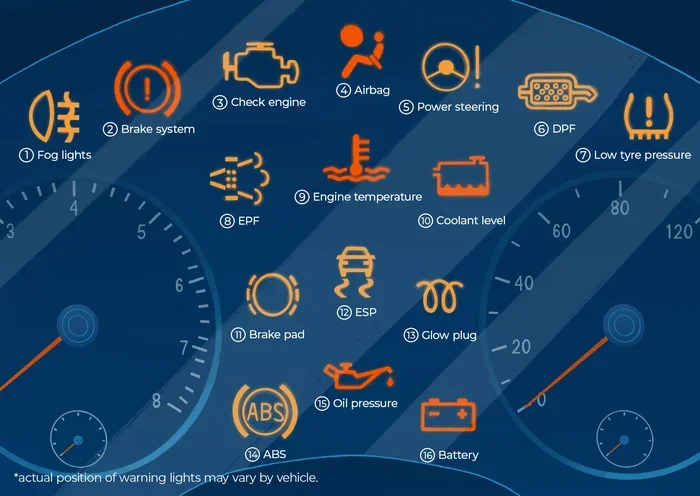
That little yellow horseshoe-shaped icon with an exclamation mark can really get on your nerves. You just checked your tires, and they look perfectly fine. So why is the TPMS light still glowing on your dashboard? If you have been wondering how do I remove the TPMS light from the car dashboard, you are in the right place.
Dealing with a dashboard warning light that just will not go away is frustrating. It stays there, staring at you every time you get behind the wheel. The good news is that removing the tire pressure monitoring system light is usually a straightforward process. Whether it is a simple TPMS reset or a slightly more involved fix, this guide covers every method you need. Let us get into it.
Key Takeaways
- Easy DIY Fix: Most TPMS reset procedures take less than five minutes and require no special tools.
- Multiple Methods Available: You can reset the light using the dashboard button, the OBD-II scanner, or by inflating tires to the correct pressure.
- Common Causes Are Fixable: Low tire pressure, temperature changes, and dead sensor batteries are the top reasons the light comes on.
- Safety First: Always check your actual tire pressure before attempting to reset the light.
- When to See a Pro: If the light keeps coming back, your TPMS sensor may need replacement or reprogramming.
- Prevent Future Issues: Regular tire rotation and pressure checks keep the tire pressure monitoring system working properly.
📑 Table of Contents
- What Is the TPMS Light and Why Does It Come On?
- How to Remove the TPMS Light From the Dashboard
- How to Tell if the TPMS Light Is a False Alarm
- Preventing the TPMS Light from Coming Back
- When to See a Professional Mechanic
- Quick Tips for Removing the TPMS Light
- Common Mistakes to Avoid
- Expert Insights on TPMS Systems
- Final Thoughts on Removing the TPMS Light
What Is the TPMS Light and Why Does It Come On?
Before we dive into the fix, let us understand what we are dealing with. The TPMS light is part of your tire pressure monitoring system. This system tracks the air pressure inside each tire and alerts you when something is off. It is a safety feature designed to keep you and your passengers safe on the road.
Common Reasons the TPMS Light Activates
Several things can trigger the tire pressure warning on your dashboard. Here are the most common culprits:
- Low tire pressure: This is the number one reason. Even a small drop in pressure can set off the TPMS sensor.
- Temperature changes: Cold weather causes air inside tires to contract, which lowers pressure temporarily.
- Dead sensor battery: Each tire pressure sensor has a small battery that lasts about five to ten years.
- Punctured or slow leak: A tiny nail or crack in the valve stem can cause a gradual loss of air.
- Recent tire change or rotation: Sometimes the system needs a manual TPMS reset after service.
- Sensor malfunction: The sensor itself may be faulty or damaged from road debris.
Understanding why the light came on in the first place helps you choose the right fix. If your tires are low, inflating them is step one. If the sensors are old, you may need a replacement. Let us move on to the actual removal process.
How to Remove the TPMS Light From the Dashboard
Now for the part you have been waiting for. There are several ways to reset the TPMS light on your car dashboard. Some methods work better for certain vehicles, so let us go through each one.
Method 1: The Manual Reset Button
Most cars built after 2007 have a TPMS reset button somewhere inside the cabin. This is the easiest and fastest way to turn off the dashboard indicator. Here is how to find and use it:
- Start your car and let it idle for a few minutes.
- Locate the TPMS reset button. It is usually found under the steering wheel, near the dashboard area, or inside the glove box.
- Press and hold the button until the TPMS warning light on the dashboard starts blinking three times.
- Release the button and start the engine again.
- Drive the car for about 20 minutes at a steady speed. The system should recalibrate and the light should turn off.
If the light does not go off after this, do not worry. There are other methods to try. Check your owner’s manual for the exact location of the reset button, as it varies by make and model.
Method 2: Inflate Tires to the Correct Pressure
Sometimes the simplest fix is the best one. If the TPMS light is on because your tires are slightly low, just inflating them to the recommended level can do the trick. Here is what to do:
- Find the recommended tire pressure for your vehicle. This is listed on a sticker inside the driver’s door frame or in the owner’s manual.
- Use a reliable tire pressure gauge to check each tire, including the spare.
- Inflate any tires that are below the recommended level using a portable tire inflator or an air pump at a gas station.
- Drive the car for a few miles. The tire pressure monitoring system should detect the correct pressure and turn the light off automatically.
This method works especially well if the light came on due to cold weather or a minor pressure drop. It is a quick fix that takes less than ten minutes.
Method 3: Use an OBD-II Scanner
An OBD-II scanner is a handy tool for any car owner. It plugs into the diagnostic port under your steering column and reads error codes from your vehicle’s computer. Here is how to use one to remove the TPMS light:
- Locate the OBD-II port. It is almost always under the dashboard on the driver’s side.
- Plug the scanner into the port and turn the ignition on.
- Follow the scanner’s prompts to read the fault codes.
- Look for codes related to the TPMS sensor or tire pressure.
- Select the option to clear the codes and reset the dashboard warning light.
A quality OBD-II scanner is a great investment for vehicle maintenance. It not only helps with TPMS reset but also reads other codes like the check engine light. Many scanners are affordable and work with smartphone apps for easy reading.
Method 4: Disconnect the Car Battery
This method is a bit more hands-on but can be effective. Disconnecting the battery resets the entire electrical system, which includes the TPMS light. Here is the process:
- Turn off the car and remove the keys from the ignition.
- Open the hood and locate the car battery.
- Using a wrench, disconnect the negative battery cable first.
- Wait for about 15 to 20 minutes.
- Reconnect the negative cable and tighten it securely.
- Start the car and check if the TPMS light has turned off.
Be careful when working with the battery. Always disconnect the negative terminal first to avoid short circuits. This method also resets other settings like your radio presets, so keep that in mind.
Method 5: Replace the TPMS Sensor Battery
If the TPMS light keeps coming back, the sensor battery may be dead. Each tire pressure sensor has a small internal battery that cannot be replaced separately in most models. Instead, you will need to replace the entire sensor. Here is what to expect:
- The cost of a single TPMS sensor ranges from $15 to $30 for the part alone.
- Labor costs at a shop typically run $30 to $50 per sensor.
- Some sensors require TPMS reprogramming after installation to sync with your vehicle.
- You can also buy aftermarket TPMS sensors that are compatible with most vehicles and save money.
Replacing the sensor is a job you can do yourself if you are comfortable with basic auto repair tasks. Just make sure to follow the TPMS reprogramming steps in your owner’s manual after installation.
How to Tell if the TPMS Light Is a False Alarm
Not every TPMS light means something is seriously wrong. Sometimes the system gives a false alarm. Here are signs that your tire pressure warning might not be a real problem:
- The light comes on in cold weather and goes away after driving for a while.
- You recently filled up your tires and the light still stays on.
- The light flickers occasionally but is not constant.
- You have not driven the car in a while and the light appeared after your first drive.
In these cases, a simple TPMS reset usually clears the light. Temperature changes are a very common trigger, especially in the fall and winter months. As the air temperature drops, so does the pressure inside your tires, which can set off the TPMS sensor even when the pressure is still safe.
To avoid false alarms, make it a habit to check your tire pressure at least once a month. A good tire pressure gauge costs just a few dollars and can save you a lot of hassle. Keep one in your glove box and use it regularly.
Preventing the TPMS Light from Coming Back
Once you have successfully removed the TPMS light from your dashboard, you want to keep it off. Here are some simple habits that help:
Check Tire Pressure Regularly
Get into the routine of checking your tire pressure at least once a month. Use a quality tire pressure gauge and compare the readings to the recommended levels listed on your door sticker. This alone prevents most TPMS light issues.
Perform Regular Tire Maintenance
Taking care of your tires goes a long way. Here is a quick checklist:
- Rotate your tires every 5,000 to 7,500 miles to ensure even wear.
- Check the valve stems for cracks or leaks during tire inspections.
- Replace valve stem caps if they are missing or damaged.
- Keep a portable tire inflator in your trunk for emergencies.
- Inspect tires for punctures after driving on rough roads or construction zones.
These small steps add up and keep your tire pressure monitoring system running smoothly. They also extend the life of your tires and improve fuel efficiency.
Know Your Vehicle’s TPMS System
Every vehicle is a little different when it comes to the TPMS system. Some cars use direct sensors inside each tire, while others use indirect systems that monitor wheel speed. Understanding which type your car has helps you troubleshoot problems faster. Check your owner’s manual or ask your mechanic next time you are in for vehicle maintenance.
When to See a Professional Mechanic
Most of the time, you can handle the TPMS light yourself. But there are situations where professional help is the right call:
- The light stays on after trying all the reset methods above.
- You notice a hissing sound or visible damage to a tire.
- Multiple TPMS sensors are showing faults at the same time.
- The dashboard indicator comes back immediately after resetting it.
- You are not comfortable working with your car’s electrical system or tires.
A qualified mechanic can run a full diagnostic and identify any deeper issues. Sometimes the problem is not the tires at all but a wiring issue or a computer glitch that needs professional attention. Do not hesitate to seek help when you need it.
Quick Tips for Removing the TPMS Light
Here are some extra tips to make the process smoother:
- Always start with a tire pressure check. Never reset the light without first confirming your tires are at the right pressure.
- Keep your owner’s manual handy. It has specific instructions for your vehicle’s TPMS reset process.
- Use a quality OBD-II scanner. A reliable scanner makes clearing codes quick and painless.
- Drive steadily after resetting. The system needs consistent driving to recalibrate properly.
- Replace sensor batteries on schedule. Proactive replacement prevents unexpected light comebacks.
Common Mistakes to Avoid
When trying to remove the TPMS light, some mistakes can make the problem worse. Here is what to avoid:
- Resetting the light without fixing the root cause. If your tires are actually low, resetting the light just masks the real problem and puts you at risk.
- Ignoring the light for too long. A persistent tire pressure warning can indicate a slow leak that gets worse over time.
- Using the wrong tire pressure. Overinflating or underinflating tires can damage the TPMS sensor and affect handling.
- Disconnecting the battery without preparation. This resets other settings and may require reprogramming for features like power windows.
- Buying cheap, incompatible sensors. Not all TPMS sensors work with every vehicle. Check compatibility before purchasing.
Avoiding these mistakes saves time, money, and keeps you safe on the road. A little patience goes a long way when working on your vehicle maintenance.
Expert Insights on TPMS Systems
According to automotive experts, the tire pressure monitoring system is one of the most overlooked safety features in modern vehicles. Many drivers ignore the TPMS light or simply reset it without understanding what triggered it in the first place. This approach can be dangerous.
Certified mechanics recommend treating the TPMS warning as a signal to check your tires, not just a nuisance to turn off. Regular tire inspections, proper inflation, and timely sensor maintenance keep your car running safely and efficiently. The dashboard indicator is there to protect you, so give it the attention it deserves.
If you are unsure about any step in the process, consult a trusted mechanic or refer to your vehicle’s service manual. It is always better to be safe than sorry when it comes to tire safety.
Final Thoughts on Removing the TPMS Light
Removing the TPMS light from your car dashboard does not have to be complicated. Whether you use the manual TPMS reset button, inflate your tires to the correct level, or grab an OBD-II scanner, there is a method that works for your situation. The key is to first understand why the light came on and address the root cause before resetting it.
Regular tire care and vehicle maintenance are the best ways to prevent the tire pressure warning from returning. Check your pressure monthly, inspect your tires for damage, and replace aging TPMS sensors before they fail. These simple habits keep you safe and your dashboard clean.
Now that you know how do I remove the TPMS light from the car dashboard, you have the confidence and tools to handle it yourself. Take action today, and enjoy a worry-free driving experience with a clear dashboard and properly inflated tires.
Frequently Asked Questions
Can I drive safely with the TPMS light on?
If the light is on, your tire pressure may be low, which affects handling and fuel efficiency. Check your tire pressure as soon as possible. If the pressure is within the safe range, you can drive carefully to a service station to investigate further.
How much does it cost to replace a TPMS sensor?
A single TPMS sensor typically costs between $15 and $30 for the part. If you have a shop install it, add $30 to $50 for labor. Some vehicles require TPMS reprogramming, which may add a small additional cost.
How long does a TPMS sensor battery last?
The battery inside a tire pressure sensor usually lasts between five and ten years. When the battery dies, the entire sensor needs to be replaced. Keeping track of your sensor age helps you plan replacements before they fail unexpectedly.
Will the TPMS light reset itself after I inflate my tires?
In many cases, yes. Once you inflate your tires to the recommended pressure, the tire pressure monitoring system should detect the correct level and turn the light off within a few miles of driving. If it does not, you may need to perform a manual TPMS reset.
Is it safe to use an OBD-II scanner to clear the TPMS light?
Absolutely. An OBD-II scanner is a safe and effective tool for clearing dashboard warning lights, including the TPMS indicator. Just make sure to address the underlying issue first, or the light will likely come back.
What is the difference between direct and indirect TPMS systems?
Direct TPMS uses a small sensor inside each tire to measure air pressure. Indirect TPMS uses the vehicle’s anti-lock brake sensors to detect differences in wheel rotation speed caused by low pressure. Both systems trigger the same dashboard indicator but work differently.
=== CONCLUSION ===
Removing the TPMS light from your car dashboard is a task most drivers can handle with basic knowledge and a few simple tools. Whether you choose the manual TPMS reset method, use an OBD-II scanner, or simply inflate your tires to the proper level, the process is straightforward and quick. The real key to success is understanding why the light came on in the first place and addressing that issue directly.
By staying on top of your tire pressure, performing regular vehicle maintenance, and replacing aging TPMS sensors when needed, you can keep that dashboard warning light off and your car running safely. Now go ahead and give it a try. Your clear dashboard is just a few steps away.