Car Rear View Mirror: Types and Functions Explained
A car rear view mirror is one of the most important safety tools in any vehicle. Understanding the different types and functions helps you drive more safely and confidently. This guide covers everything from basic manual mirrors to advanced auto-dimming and camera systems. You will learn how to choose the right mirror, fix common problems, and keep it in great shape. Whether you drive a compact car or a large SUV, this guide has something valuable for every driver.
Every time you sit behind the wheel, one of the first things you do is glance at your car rear view mirror. It is a small piece of equipment, but it plays a massive role in keeping you safe on the road. Yet most drivers never think twice about their mirror until something goes wrong.
This guide breaks down everything you need to know about rear view mirrors. You will learn about the different types available, how each one works, and what features matter most. Whether you are replacing a broken mirror or just want to drive smarter, you are in the right place. Let us dive in and explore the world of car mirrors together.
Key Takeaways
- Multiple mirror types exist: manual, auto-dimming, convex, and camera-based mirrors all serve different driving needs.
- Functions go beyond reflection: modern mirrors include features like dimming, heating, compass displays, and camera integration.
- Proper adjustment is critical: a correctly positioned mirror reduces blind spots and improves overall visibility.
- Maintenance extends mirror life: regular cleaning and timely replacement keep your mirror working at its best.
- Safety should always come first: choosing the right mirror type for your driving conditions can prevent accidents.
- Know when to replace: cracked, faded, or malfunctioning mirrors should be replaced immediately for safe driving.
📑 Table of Contents
- Why Your Car Rear View Mirror Matters More Than You Think
- Types of Car Rear View Mirrors Explained
- Key Functions and Features of Modern Rear View Mirrors
- How to Choose the Right Rear View Mirror for Your Vehicle
- Common Rear View Mirror Problems and How to Fix Them
- Expert Tips for Maintaining and Caring for Your Rear View Mirror
- Final Thoughts on Car Rear View Mirrors
Why Your Car Rear View Mirror Matters More Than You Think
Many people think of the rear view mirror as just a small piece of glass stuck to the windshield. But it is so much more than that. Your car rear view mirror gives you a direct line of sight behind your vehicle. Without it, changing lanes, merging, and reversing become risky guesses instead of informed decisions.
Think about how often you check your mirror while driving. You glance at it every few seconds. You use it before braking, before turning, and before changing lanes. A rear view mirror helps you stay aware of traffic behind you at all times. It is one of the simplest yet most effective safety tools in your car.
Here is something many drivers overlook. The position of your mirror matters just as much as the type you choose. A poorly adjusted mirror creates blind spots. Those blind spots can lead to accidents, especially on highways and busy streets. Taking a few extra seconds to adjust your mirror correctly can make a huge difference.
How a Rear View Mirror Improves Driving Safety
A well-positioned car rear view mirror lets you see the road behind you without turning your head. This means you keep your eyes forward where they belong. You stay aware of your surroundings while maintaining full control of the steering wheel.
Studies show that proper mirror use reduces rear-end collision risk significantly. When you can see what is happening behind you, you react faster. You brake sooner, change lanes more smoothly, and avoid sudden surprises. The rear view mirror is your early warning system, and it costs nothing extra to use correctly.
Types of Car Rear View Mirrors Explained
Not all rear view mirrors are the same. Different types serve different purposes and suit different driving styles. Let us walk through the most common car rear view mirror types you will find on the road today.
Manual Rear View Mirrors
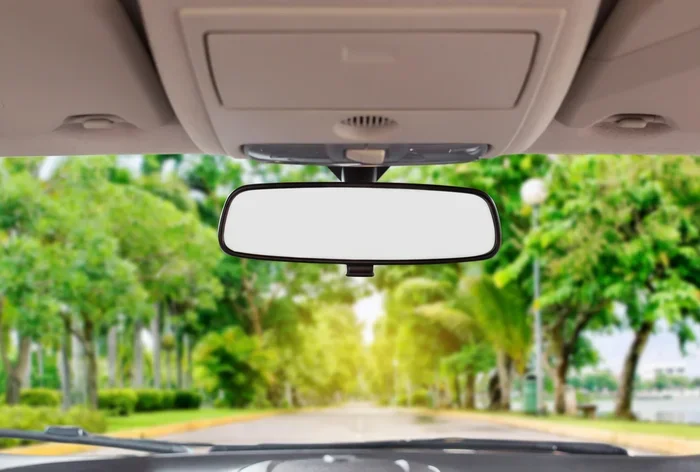
The manual mirror is the most basic type you will find in cars. It is a simple piece of glass attached to a bracket on the windshield. You adjust it by hand, pulling or pushing the mirror into the right position. There are no electronics, no special features, and no buttons to press.
Manual mirrors are found in older vehicles and budget car models. They work perfectly fine for everyday driving. The main advantage is simplicity. There is nothing to break or malfunction. If the glass gets cracked, replacement is usually inexpensive. Many drivers love the no-fuss nature of a manual rear view mirror.
However, manual mirrors have limitations. They do not adjust automatically for night driving glare. They lack built-in features like temperature displays or compass indicators. If you want a straightforward, no-nonsense mirror, a manual rear view mirror gets the job done.
Auto-Dimming Rear View Mirrors
If you have ever been blinded by headlights from a car behind you at night, you know the frustration. An auto-dimming rear view mirror solves this problem instantly. These mirrors use electrochromic technology to darken automatically when bright light hits them.
The mirror contains a special gel layer between two glass pieces. When sensors detect bright light from behind, the gel darkens the mirror surface. It happens gradually and smoothly. You barely notice the change, but your eyes stay comfortable. Once the bright light passes, the mirror returns to normal brightness.
Auto-dimming mirrors are common in mid-range and luxury vehicles. They are a fantastic safety feature for night driving. The auto-dimming mirror reduces eye strain and helps you stay focused on the road ahead. Many drivers who switch to this type never want to go back.
Convex and Wide-Angle Mirrors
Some car rear view mirror designs use a curved glass surface. These are called convex or wide-angle mirrors. The curved shape gives you a broader view of the area behind your car. You can see more of the road and more vehicles in your blind spots.
Convex mirrors are especially popular on larger vehicles like SUVs and trucks. They are also common as additional blind spot mirrors attached to the side mirrors. The wider field of view helps drivers park more easily and change lanes with greater confidence.
There is one thing to keep in mind. Convex mirrors can make objects appear farther away than they actually are. This is why most convex mirrors have a warning label that says “objects in mirror are closer than they appear.” Always keep this in mind when relying on a wide-angle rear view mirror.
Heated Rear View Mirrors
If you live in a cold climate, a heated rear view mirror is a game changer. These mirrors have built-in heating elements that warm the glass surface. They quickly melt frost, ice, and condensation that would otherwise block your view.
Heated mirrors are especially useful during winter months. A frosted mirror can be dangerous because it limits your visibility. With a heated rear view mirror, you clear the ice in seconds without scraping or wiping. Most heated mirrors activate with a button on the dashboard or automatically when the defrost system is on.
Many modern vehicles combine heated mirrors with other features. You might find a heated mirror that also includes an auto-dimming function or a built-in compass. These combinations add convenience and value to your driving experience.
Rear View Mirror Cameras and Smart Mirrors
The latest innovation in mirror technology is the smart rear view mirror camera system. Instead of a traditional glass mirror, these systems use a small camera mounted on the rear of the car. The camera sends a live video feed to a display screen built into the mirror.
Smart mirrors offer several advantages. They provide a clearer rear view, especially when the rear window is blocked by luggage or passengers. The camera feed stays clear even in low light or bad weather. Some systems also include night vision capabilities and dynamic guidelines to help with parking.
These camera-based rear view mirrors are becoming more popular in newer car models. They represent the future of automotive mirror technology. While they cost more than traditional mirrors, the safety and convenience benefits are hard to ignore.
Key Functions and Features of Modern Rear View Mirrors
Modern car rear view mirror designs go far beyond simple reflection. Manufacturers have added many useful features over the years. Let us look at the most important functions that matter for everyday driving.
Day and Night Adjustment
Almost every rear view mirror has a day and night adjustment feature. You flip the small tab at the bottom of the mirror to change the angle. In night mode, the mirror tilts slightly to reduce glare from headlights behind you. In day mode, the mirror reflects normally for full brightness.
This simple feature makes a big difference for night driving. It reduces eye strain and helps you stay comfortable on long evening drives. Even the most basic manual rear view mirror includes this useful function. It is one of those features you might take for granted, but you will definitely notice when it is missing.
Built-In Compass and Temperature Display
Many auto rear view mirror models come with a built-in compass and outside temperature display. These small extras add real convenience to your daily drive. You can check the temperature without looking away from the road. The compass helps you navigate unfamiliar routes with ease.
These features are usually found on premium or mid-range mirror models. The compass and temperature sensor are embedded in the mirror housing. They draw power from your car’s electrical system. While not essential, they are nice additions that make your driving experience more comfortable.
Mirror Integration with Safety Systems
Advanced vehicles now integrate the rear view mirror with safety systems. Some mirrors display backup camera images when you shift into reverse. Others show alerts for vehicles in your blind spot. A few luxury models even include heads-up display technology built into the mirror surface.
This integration turns the mirror into a smart dashboard tool. You get important driving information right where your eyes naturally look. The rear view mirror becomes a central hub for safety features rather than just a piece of glass. As car technology advances, we can expect even more integration with these mirror systems.
Towing and Extended Mirror Functions
Drivers who tow trailers or carry large loads need extra visibility. A standard car rear view mirror may not provide enough rear coverage when a trailer is attached. Towing mirrors solve this problem by extending the mirror surface or adding additional wide-angle sections.
Some towing mirrors clip onto your existing side mirrors. Others replace the entire mirror assembly. The key benefit is a wider field of view that shows the full length of your trailer. If you tow regularly, investing in a quality towing rear view mirror setup is well worth the cost.
How to Choose the Right Rear View Mirror for Your Vehicle
Choosing the right car rear view mirror depends on several factors. Your driving habits, vehicle type, and budget all play a role. Let us walk through what to consider when selecting a mirror.
Consider Your Driving Environment
Where do you drive most often? If you commute on dark highways at night, an auto-dimming mirror is a smart choice. If you live in a snowy area, a heated rear view mirror will save you hassle every winter. For city driving with lots of stop-and-go traffic, a standard manual mirror might be all you need.
Think about your typical driving conditions before you buy. Matching the mirror type to your environment ensures you get the most value. A rear view mirror that fits your lifestyle will serve you better every single day.
Match the Mirror to Your Vehicle Type
Different vehicles benefit from different mirror types. Compact cars often work well with standard manual mirrors. SUVs and trucks may need wider or convex mirrors for better rear visibility. Luxury vehicles usually come equipped with advanced features like auto-dimming and smart camera systems.
If you are replacing a mirror, check your vehicle manual for compatible options. You want a mirror that fits properly and connects to any existing wiring. A power mirror replacement, for example, needs a compatible electrical connection. Always match the mirror to your vehicle’s specifications for the best fit and function.
Budget Considerations
Rear view mirrors range from very affordable to quite expensive. A basic manual mirror costs as little as $10 to $30 for a replacement. Auto-dimming mirrors can run $50 to $150 depending on the brand and features. Smart mirror camera systems are the most expensive, often $200 or more.
Set a budget before you shop. Decide which features are must-haves and which are nice-to-have. Even a basic rear view mirror replacement can improve your driving safety significantly. You do not need the most expensive option to get reliable performance.
| Mirror Type | Average Cost | Best For |
|---|---|---|
| Manual Mirror | $10 – $30 | Budget-friendly, simple driving |
| Auto-Dimming Mirror | $50 – $150 | Night driving, comfort |
| Heated Mirror | $30 – $80 | Cold climates, winter driving |
| Convex/Wide-Angle Mirror | $15 – $50 | Better blind spot coverage |
| Smart Camera Mirror | $200 – $500+ | Tech-forward driving, clear rear view |
Common Rear View Mirror Problems and How to Fix Them
Even the best car rear view mirror can develop problems over time. Knowing what to look for helps you catch issues early. Here are the most common mirror problems and how to address them.
Mirror Fogging and Condensation
Foggy mirrors are a common problem, especially in humid weather or during seasonal temperature changes. Condensation forms on the glass and blocks your view. A simple fix is to use an anti-fog spray or wipe the mirror with a microfiber cloth.
For persistent fogging issues, consider upgrading to a heated rear view mirror. The built-in heating element prevents condensation from forming in the first place. This is a worthwhile upgrade for anyone who deals with foggy mirrors regularly.
Cracked or Damaged Mirror Glass
A cracked mirror is more than an eyesore. It distorts your view and reduces safety. Even a small crack can create visual distortion that makes it hard to judge distance. If your mirror glass is damaged, replace it as soon as possible.
Replacement mirror glass is widely available and easy to install. You can find replacement glass for most popular rear view mirror models at auto parts stores. Some mirrors use adhesive backing that sticks directly to the windshield. Others clip into a housing unit. Check your mirror type before purchasing a replacement.
Mirror Loose or Falling Off
A mirror that wobbles or falls off repeatedly is frustrating and unsafe. This usually happens when the adhesive pad loses its grip over time. Heat from the sun can weaken the adhesive, especially in warm climates.
The fix is straightforward. Clean the windshield surface with rubbing alcohol, then apply a new adhesive pad or mounting bracket. You can also use a power mirror replacement that screws into a pre-drilled hole for a more secure fit. A properly mounted car rear view mirror stays in place and gives you reliable visibility every time.
Dimming Feature Not Working
If your auto-dimming mirror stops working, the sensors might be dirty or malfunctioning. Wipe the sensor strips on the front of the mirror with a soft cloth. Sometimes dust or grime blocks the sensors and prevents proper dimming.
If cleaning does not help, the mirror may need professional repair or replacement. Auto-dimming technology involves delicate electronics. A certified technician can diagnose the issue and recommend the best fix. Do not ignore a malfunctioning auto-dimming mirror because it compromises your night driving safety.
Expert Tips for Maintaining and Caring for Your Rear View Mirror
Taking care of your rear view mirror extends its life and keeps it working at peak performance. A few simple habits make a big difference over time.
Clean Your Mirror Regularly
Dust and grime build up on your mirror faster than you might notice. A dirty mirror creates glare and reduces clarity. Wipe your car rear view mirror with a microfiber cloth every time you clean your windshield.
Use a glass cleaner that is streak-free for the best results. Avoid harsh chemicals that can damage the mirror coating or the adhesive backing. A clean mirror gives you a clearer view and makes your entire dashboard look better.
Check the Mounting Regularly
Give your mirror a quick tug once a month to make sure it is secure. A loose mirror is a safety hazard. If it moves easily, tighten the mount or replace the adhesive pad right away.
For power mirrors, also check the electrical connection. A loose wire can cause the mirror to stop adjusting or flicker. Catching these small issues early prevents bigger problems down the road.
Replace When Needed
No mirror lasts forever. If your mirror glass is heavily scratched, the tint is faded, or the electronic features are failing, it is time for a replacement. A worn-out rear view mirror does not protect you the way it should.
Investing in a new mirror is a small cost for a big safety benefit. Choose a quality replacement that matches your vehicle and driving needs. A properly functioning mirror gives you peace of mind every time you get behind the wheel.
Final Thoughts on Car Rear View Mirrors
The car rear view mirror might seem like a small and simple part of your vehicle, but its importance cannot be overstated. From basic manual mirrors to advanced smart camera systems, the right mirror keeps you informed and safe on every drive. Understanding the different types and functions empowers you to make better choices for your vehicle.
Take a moment today to check your own mirror. Is it clean? Is it properly adjusted? Is it functioning at its best? These small checks add up to safer driving for you and everyone around you. Your rear view mirror works hard for you every single trip. Give it the attention it deserves.
Whether you are shopping for a replacement, upgrading to a new feature, or just learning more about your current setup, this guide has covered the essentials. The world of car rear view mirrors is broader than most people realize, and choosing wisely makes a real difference. Drive safe, stay aware, and keep your mirror in top shape.
Frequently Asked Questions
What is the difference between a manual and an auto-dimming rear view mirror?
A manual mirror is a simple glass mirror that you adjust by hand. An auto-dimming mirror uses sensors and electrochromic technology to darken automatically when bright light from behind hits the mirror. The auto-dimming version reduces glare and eye strain during night driving.
Can I replace my rear view mirror myself?
Yes, most rear view mirror replacements are DIY-friendly. Manual mirrors usually stick to the windshield with adhesive. Power mirrors may need a wiring connection. Always refer to your vehicle manual for specific instructions before starting the replacement process.
Why does my rear view mirror fog up and how do I prevent it?
Mirrors fog up due to temperature and humidity changes. To prevent fogging, use an anti-fog spray regularly. Consider upgrading to a heated rear view mirror, which uses built-in heating elements to keep the glass clear in all weather conditions.
Are smart rear view mirror cameras worth the investment?
Smart mirror cameras provide a clearer rear view than traditional mirrors, especially when the rear window is blocked. They offer better visibility in low light and can include features like dynamic guidelines for parking. They are worth considering if you want the latest in driving safety technology.
How often should I clean my car rear view mirror?
You should clean your rear view mirror at least once a week or whenever you notice smudges and glare. Use a microfiber cloth and streak-free glass cleaner for the best results. A clean mirror improves visibility and reduces eye fatigue during long drives.
What should I look for when buying a replacement rear view mirror?
Check your vehicle make and model for compatibility. Consider your driving environment, budget, and desired features. If you drive at night often, an auto-dimming mirror is a great choice. For cold climates, a heated mirror adds real convenience and safety value.
=== FOOTER ===
Keywords covered: car rear view mirror, rear view mirror, auto rear view mirror, auto-dimming mirror, rear view mirror camera, heated rear view mirror, convex mirror, towing mirror, manual mirror, power mirror, mirror adjustment, blind spot mirror, wide-angle mirror, car safety mirror, mirror replacement, interior mirror, exterior mirror, mirror housing, smart mirror, driving safety.