Can I Disconnect My Airbag Light Heres What You Should Know
Yes, you can disconnect your airbag light, but doing so without fixing the underlying problem is risky. The SRS warning light exists to protect you, and ignoring it could mean your airbag system won’t deploy in a crash. This guide explains what the light means, why it comes on, and how to handle it safely.
The airbag light on your dashboard can be scary, especially when it comes on out of nowhere. Many car owners wonder if they can simply disconnect my airbag light and move on with their day. The short answer is yes, you can disconnect it, but that doesn’t mean you should. The airbag warning light is part of your vehicle’s SRS system, which stands for Supplemental Restraint System. This system is designed to keep you safe during a collision, and turning off the light without fixing the problem could put you at serious risk.
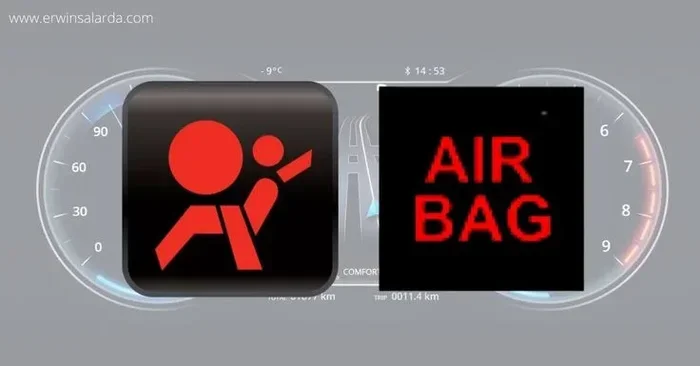
So you’re sitting in your car and notice that little yellow or red light shaped like a person sitting in a seat with a circle in front of them. That’s your airbag warning light, and it’s trying to tell you something. Before you reach for any tools or think about disconnecting anything, it’s important to understand what this light actually means and why your car is showing it.
The airbag system is one of the most important safety features in your vehicle. When something goes wrong with it, your car is letting you know that your protection in a crash could be compromised. In this article, we’ll walk you through everything you need to know about the airbag light, from what triggers it to whether you should ever disconnect it.
Key Takeaways
- Never ignore the airbag light: It signals a real problem with your vehicle’s safety system.
- Disconnecting is temporary: It hides the warning but does not fix the root cause.
- Use an OBD2 scanner: This is the best way to diagnose the real problem behind the warning.
- Common causes include faulty seat belt sensors: These are easy and affordable to repair.
- Driving with the light on reduces crash protection: Your airbags may not deploy when you need them most.
- See a professional if unsure: Airbag repairs require expertise and proper tools.
📑 Table of Contents
What Does the Airbag Light Actually Mean?
Understanding the SRS System
The SRS system, or Supplemental Restraint System, is the official name for your vehicle’s airbag setup. It includes the airbags themselves, the sensors that detect crashes, the wiring that connects everything, and the airbag control unit that manages it all. When you turn your key in the ignition, the system runs a self-check. If everything looks good, the light turns off within a few seconds. If it stays on, something is wrong.
Think of the airbag system like a network of safety nets. Each part has a job to do. The crash sensors detect sudden stops. The airbag wiring sends signals. The airbag control unit processes the data and decides whether to deploy. If any part of that chain breaks, the light comes on to warn you.
What the Different Colors Mean
The color of your dashboard warning light can tell you a lot about how urgent the issue is. A yellow or amber light usually means there’s a non-critical issue, like a loose seat belt sensor. A red light is more urgent and could indicate a serious problem with your airbag deployment system. Either way, you should address it as soon as possible.
Quick Tips:
- Always pay attention to dashboard warning lights, even if they seem minor.
- A steady yellow light still needs attention, even if it’s not flashing.
- If the light flashes and stays on, get it checked immediately.
- Don’t assume a dim or flickering light is normal.
Can You Disconnect Your Airbag Light?
The Short Answer
Yes, you can disconnect my airbag light in most vehicles. The light is connected to the airbag control unit through wiring and connectors. You can technically unplug the connector or remove a fuse to kill the light. But here’s the thing — doing this doesn’t fix the actual problem. It just hides the warning.
Some people unplug the airbag connector under the seat or behind the dashboard. Others pull the related fuse from the fuse box. Both methods will turn off the airbag warning light, but neither will repair the fault that caused it to come on in the first place.
Why People Want to Disconnect It
There are a few reasons car owners want to turn off the airbag warning light. Maybe they failed an inspection and need the light off to pass. Maybe the light came on after a minor fender bender and they think it will go away on its own. Or maybe they just find it annoying and want it off. Whatever the reason, understanding the risks is important before you start pulling wires.
Some drivers also worry about the cost of repairs. They see the light and immediately think the worst. In many cases, the fix is simple and affordable. But ignoring it or just disconnecting the airbag light can lead to bigger problems down the road.
The Risks of Disconnecting Without Fixing the Problem
This is where things get serious. If you disconnect the airbag light without addressing the root issue, your airbags might not deploy in a crash. The SRS system is designed to protect you, and disabling it removes a critical layer of safety. You might also face legal issues in some states if your vehicle doesn’t meet safety inspection requirements.
Common Mistakes:
- Thinking the light will go away on its own: Most airbag issues won’t fix themselves.
- Removing the fuse as a permanent solution: This is a temporary fix at best.
- Ignoring the light after a minor accident: Even small collisions can trigger sensor faults.
- Using electrical tape to cover the light: This doesn’t fix anything and can hide serious problems.
Disconnecting vs. Fixing: A Comparison
Let’s look at the differences between simply disconnecting the light and properly fixing the issue.
| Aspect | Disconnecting the Light | Fixing the Root Cause |
|---|---|---|
| Cost | Free or very low | Varies ($50 to $300+) |
| Safety | Airbags may not deploy | Full protection restored |
| Legal Risk | May fail inspection | Passes inspection |
| Long-Term Fix | No | Yes |
| Difficulty | Easy | Requires diagnosis |
| Peace of Mind | None | Complete confidence |
As you can see from the table, disconnecting the light might seem like the easy route, but it comes with real downsides. Fixing the root cause is always the better choice for your airbag safety and your wallet in the long run.
Common Reasons Your Airbag Warning Light Comes On
Faulty Seat Belt Sensors
One of the most common reasons for an airbag light coming on is a bad seat belt sensor. These sensors detect whether your seat belt is buckled. If the sensor is faulty or the buckle is dirty, the SRS system will throw a code and light up your dashboard. Sometimes a simple cleaning of the buckle area resolves the issue entirely.
Another related component is the seat belt pretensioner. This device tightens your seat belt during a crash. If the pretensioner has a fault, it can also trigger the airbag warning light. These parts are relatively affordable to replace, usually between $50 and $150.
Worn Clockspring in the Steering Column
The airbag clockspring is a spiral ribbon cable that connects your steering wheel airbag to the airbag wiring and control unit. Over time, this part can wear out, especially in older vehicles. When it fails, you’ll see the airbag warning light come on, and you might also lose horn functionality.
The airbag clockspring is located inside the steering column. Replacing it typically costs between $150 and $300, depending on your vehicle make and model. It’s a common repair that any qualified mechanic can handle.
Bad Crash Sensors
Your vehicle has crash sensors that detect sudden deceleration or impact. If one of these sensors fails or gets damaged, the system won’t know if a crash has occurred, and the light will stay on. These sensors are usually located in the front of the vehicle, near the radiator or behind the bumper.
Crash sensor replacement costs vary widely. Some vehicles have multiple sensors, and the price depends on which one has failed. An airbag diagnostic scan will tell you exactly which sensor is causing the problem.
Low Battery Voltage
Sometimes the culprit is simple — a low car battery. The airbag control unit needs steady power to run its self-checks. If your battery is weak or your alternator isn’t charging properly, the SRS light might come on temporarily. This is especially common in older vehicles or after a long period of sitting unused.
If you notice the light after your battery died or was replaced, try charging or replacing the battery first. In many cases, the airbag warning light will go away once the voltage stabilizes.
Previous Accident or Airbag Deployment
If your car was in a previous accident and the airbags deployed, the system may need to be fully reset. Even if you replaced the airbags, the airbag module might still store fault codes that keep the light on. In these cases, a professional needs to reset or replace the airbag module.
Expert Insights:
Many mechanics say that the seat belt sensor is the number one culprit for a glowing airbag warning light. Before spending money on expensive repairs, try cleaning the seat belt buckle and buckle sensor. In many cases, this simple step resolves the issue entirely. Always start with the easiest and most affordable fix first.
How to Properly Reset the Airbag Light
Step 1: Use an OBD2 Scanner
The best way to handle an airbag light is to diagnose it properly. Plug an OBD2 scanner into your vehicle’s diagnostic port, usually located under the steering column. The scanner will read the fault codes stored in the airbag control unit. These codes tell you exactly what’s wrong.
You can buy a basic OBD2 scanner for under $30, or visit an auto parts store that offers free scanning. The codes will start with a letter (like B for body or C for chassis) followed by numbers. Look up the code to understand what part of the airbag system is affected.
Step 2: Fix the Underlying Issue
Once you know the code, you can address the real problem. This might mean replacing a seat belt sensor, fixing the airbag clockspring, or repairing damaged airbag wiring. The cost will depend on what’s wrong, but most repairs are affordable when caught early.
Here are some common fixes based on fault codes:
- Seat belt sensor fault: Clean or replace the buckle sensor.
- Clockspring fault: Replace the airbag clockspring in the steering column.
- Crash sensor fault: Inspect and replace the faulty crash sensor.
- Wiring fault: Repair or replace damaged airbag wiring or connectors.
- Control unit fault: Reprogram or replace the airbag control unit.
Step 3: Clear the Codes and Test
After the repair, use the OBD2 scanner to clear the fault codes. Turn the ignition on and off a few times to let the SRS system run a new self-check. If everything is working correctly, the airbag warning light should stay off.
- Plug in your OBD2 scanner and read the codes.
- Identify the problem from the fault code.
- Repair or replace the faulty component.
- Clear the codes with the scanner.
- Start the car and verify the light stays off.
Can You Reset the Light Without a Scanner?
Some people try turning the ignition on and off three times to reset the airbag light. While this sometimes works for minor glitches, it won’t fix a real problem. If the underlying issue isn’t resolved, the light will come back. Always use a proper OBD2 scanner for a reliable reset.
Quick Tips for Resetting:
- Always clear codes after fixing the problem, not before.
- Keep your OBD2 scanner handy for regular check-ups.
- If the light comes back after resetting, there’s still an unresolved issue.
- Don’t rush the process — let the SRS system complete its self-check.
Is It Safe to Drive with the Airbag Light On?
What Could Go Wrong
Driving with an active airbag warning light means your airbag system is compromised. In a crash, the airbags might not deploy at all. Or they might deploy with less force than needed. Either situation increases your risk of serious injury.
The airbag deployment system is designed to work in milliseconds. When a crash is detected, the airbag control unit sends a signal to inflate the bags. If the system has a fault, this chain of events can be interrupted. That’s why the airbag light should never be taken lightly.
When It’s Absolutely Not Safe
If the airbag light is on and flashing, do not drive the vehicle if you can avoid it. A flashing light often indicates a more serious fault in the SRS system. In this case, your airbag deployment system may be completely disabled. Have the vehicle towed to a repair shop instead of driving it.
When It Might Be Okay Short-Term
If the light is steady and your vehicle drives normally, you might be able to drive a short distance to a repair shop. But this should be a temporary measure, not a long-term solution. Get the issue diagnosed and fixed as soon as possible for your safety.
Common Mistakes People Make:
- Assuming the airbags will still work: A lit light often means the system is partially or fully disabled.
- Putting off repairs to save money: A small fix now can prevent a much bigger problem later.
- Tying the light off with electrical tape: This is dangerous and doesn’t solve the problem.
- Disabling the entire airbag system: This removes a critical safety feature from your vehicle.
When You Need to See a Professional Mechanic
Signs You Shouldn’t DIY
Some airbag light issues are too complex for a DIY fix. If the airbag control unit needs to be replaced, or if there’s damage to the airbag wiring behind the dashboard, you need a professional. Working on the airbag system without proper training can be dangerous. The airbag connector stores residual energy even when the car is off, and improper handling can cause accidental deployment.
If you’re not comfortable working with airbag safety systems, it’s always best to leave it to the experts. A trained mechanic has the right tools, knowledge, and safety equipment to handle these repairs properly.
What to Expect at the Shop
A mechanic will start with an airbag diagnostic scan to read the fault codes. From there, they’ll inspect the seat belt sensors, crash sensors, and airbag connectors. Most shops can diagnose and fix common airbag light issues in one to two hours.
During the visit, the mechanic will also check for any airbag recall notices for your vehicle. Manufacturers sometimes issue recalls for airbag system defects that could be causing your warning light. If a recall applies, the repair might be covered at no cost to you.
Cost Considerations
The cost of fixing an airbag light varies widely. A simple seat belt sensor replacement might cost $50 to $100. Replacing a seat belt pretensioner or airbag clockspring could run $100 to $300. More complex issues involving the airbag control unit can cost $300 or more. Always get a quote before authorizing repairs.
Expert Insights on Professional Repairs:
Many repair shops offer free or low-cost airbag diagnostic scans. Take advantage of this before committing to any repair. Also, check if your vehicle has an airbag recall that might cover the cost of the repair. Manufacturers sometimes issue recalls for airbag system defects that could be causing your warning light. A quick call to your dealer can save you hundreds of dollars.
Conclusion
In the end, the question isn’t really whether you can disconnect my airbag light — it’s whether you should. The airbag warning light exists for one reason: to keep you safe. Disconnecting it might silence the warning, but it won’t fix the problem hiding underneath. Your airbag system is one of the most important safety features in your vehicle, and it deserves your attention.
Whether it’s a simple seat belt sensor fix or a more complex airbag clockspring replacement, addressing the root cause is always the right move. Use an OBD2 scanner to diagnose the issue, and don’t be afraid to visit a professional if the problem feels beyond your skill level. Your airbag safety — and the safety of your passengers — is worth it.
Take action today. Don’t let that little yellow light on your dashboard be something you ignore. Fix the airbag light, and drive with confidence knowing your SRS system is working as it should. A few dollars spent on diagnosis now can save your life later.
Frequently Asked Questions
Will disconnecting the airbag light pass a safety inspection?
In most cases, no. Safety inspectors check for active airbag warning lights and will flag your vehicle as failing. Even if you disconnect the airbag light, a professional inspector may notice the missing SRS warning or find the underlying fault during an airbag diagnostic scan. It’s always better to fix the real problem.
How much does it cost to fix an airbag light?
The cost depends on what’s causing the airbag warning light to come on. Simple fixes like cleaning a seat belt sensor might cost nothing. Replacing a seat belt pretensioner or airbag clockspring could run $100 to $300. A new airbag control unit can be more expensive. Always get a diagnostic scan first to know what you’re dealing with.
Can a dead battery cause the airbag light to come on?
Yes, a low or dead battery can trigger the SRS light. The airbag control unit needs stable voltage to perform its self-checks. If your battery is weak or your alternator isn’t charging properly, the system may flag a fault. Replacing the battery or fixing the charging system often resolves this issue.
Is it legal to disconnect the airbag light?
The legality varies by state and country. In many places, disabling the airbag warning light without fixing the underlying issue can violate vehicle safety regulations. Some states consider it illegal to have a non-functional airbag system. Check your local laws before taking any action.
How do I know if my airbag clockspring is bad?
Signs of a bad airbag clockspring include a lit airbag light, a horn that stops working, and sometimes steering wheel controls that go dead. The clockspring is located in the steering column and wears out over time. If you notice these symptoms, have a mechanic inspect it right away.
Can I drive my car if the airbag light is on?
You can drive short distances, but it’s not recommended. An active airbag warning light means your airbag system may not deploy correctly in a crash. If you must drive, keep your speed low and avoid highways. Get the issue diagnosed and repaired as soon as possible for your safety.