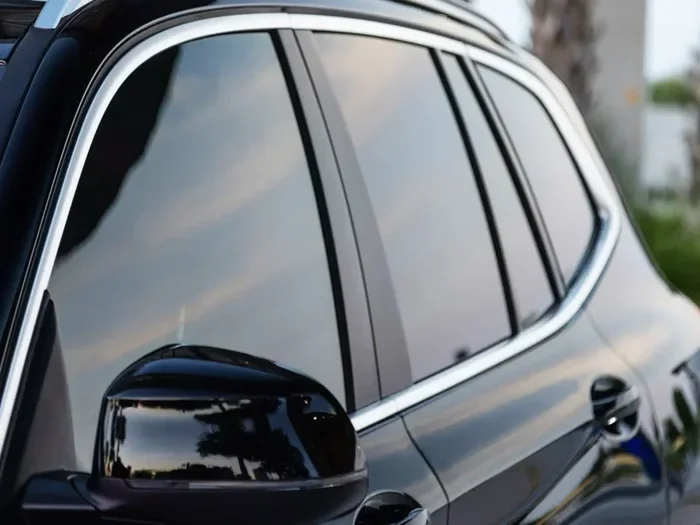
35 Percent Window Tint: The Most Popular Choice Explained
35 percent window tint is the go-to choice for car owners who want a perfect balance of style, comfort, and protection. This medium-dark tint shade blocks harmful UV rays, reduces solar heat, and adds a sleek look to any vehicle. It’s widely legal across most states, making it a practical and popular option. Whether you’re upgrading your daily driver or looking for a comfort tint, 35 percent window tint delivers excellent results.
35 percent window tint has become the favorite choice for car owners across the country. If you’re looking for a tint that balances style, comfort, and legal compliance, this shade hits the sweet spot. In this guide, we’ll walk you through everything you need to know about 35 percent window tint. You’ll learn what it is, why it’s so popular, the key benefits, legal considerations, and how it compares to other tint shades. By the end, you’ll have all the information you need to make a confident decision for your vehicle.
Car window tinting has grown massively in popularity over the past decade. More drivers are discovering the advantages of adding a quality window film to their vehicles. Among the many options available, 35 percent window tint stands out as the most popular choice. It’s not too dark, not too light, and it delivers real results. Whether you care about heat rejection, UV protection, or simply making your car look better, this tint shade has something to offer. Let’s dive into the details and explore why so many drivers are choosing this option.
The popularity of 35 percent window tint isn’t accidental. It fills a gap that many other tint shades leave open. Darker tints like 20% can be too limiting for daily driving, while lighter tints like 70% barely make a difference. The 35% shade offers a comfort tint level that works for almost everyone. It provides noticeable benefits without compromising safety or legality. This is exactly why it has earned its reputation as the most popular choice in the world of car window tinting.
Key Takeaways
- Balanced Performance: 35 percent window tint offers the ideal mix of heat rejection, UV protection, and visibility.
- Widely Legal: Most states allow 35% tint on side and rear windows, making it a safe and compliant choice.
- Style Upgrade: This tint shade gives your car a polished, finished look without going too dark.
- Interior Protection: Blocking UV rays helps prevent dashboard fade and protects your skin during drives.
- Easy Installation: Professional tint shops can install 35 percent window tint quickly and efficiently.
- Great Value: Compared to darker tints, 35% offers excellent benefits at a moderate price point.
📑 Table of Contents
- What Is 35 Percent Window Tint?
- Why 35 Percent Window Tint Is the Most Popular Choice
- Key Benefits of 35 Percent Window Tint
- 35 Percent Tint Laws and Legal Limits
- How Is 35 Percent Window Tint Installed?
- 35 Percent Window Tint vs. Other Tint Shades
- How to Choose the Right 35 Percent Window Tint for Your Vehicle
- Common Mistakes to Avoid with 35 Percent Window Tint
- Conclusion
What Is 35 Percent Window Tint?
35 percent window tint refers to a window film that allows 35% of visible light to pass through your car’s windows. The remaining 65% is blocked or absorbed by the tint layer. This measurement is known as the visible light transmission or VLT percentage. The lower the VLT number, the darker the tint shade appears. So a 35% tint is medium-dark, offering a noticeable look while still allowing good visibility through the glass.
Understanding VLT Percentage
The VLT percentage is the key metric used to classify all tint shades. When you hear someone say “35 percent window tint,” they’re referring to the VLT rating. Here’s a simple way to think about it. If you hold a piece of window film up to a light source and 35% of the light passes through, that’s a 35% tint. The rest is blocked by the film’s dye, metal, or ceramic particles. This is how manufacturers and installers measure and label every aftermarket tint product on the market.
It’s important to understand that VLT applies to the tint film itself, not your original car glass. Most factory car windows already allow a certain amount of light through. When you add 35 percent window tint, you’re reducing that existing light transmission by 35%. This means the combined effect of your factory glass plus the tint film determines the final darkness you see from outside your car.
Types of 35 Percent Window Tint Film
Not all window tint films are created equal. When you choose a 35% shade, you’ll find several different types of film available. Each type offers unique properties and price points. Here are the most common options you’ll encounter when shopping for 35 percent window tint:
- Dyed Film: The most affordable option. It uses a dye layer to absorb heat and reduce glare. However, it may fade over time and offers basic performance.
- Metalized Film: Contains tiny metal particles that reflect heat and add strength to the window. It offers better durability and heat rejection than dyed film.
- Carbon Film: A premium option that provides excellent heat rejection without metallic interference. It has a matte finish and resists fading.
- Ceramic Film: The top-tier choice. It uses nano-ceramic particles for superior heat rejection and UV protection without affecting signal reception.
Each of these film types can be produced in a 35% VLT rating. Your choice will depend on your budget, performance needs, and how long you want the tint to last. For most car owners, 35 percent window tint in carbon or ceramic offers the best long-term value.
Why 35 Percent Window Tint Is the Most Popular Choice
The reason 35 percent window tint dominates the market comes down to one simple idea: balance. This shade delivers meaningful benefits across every category without major trade-offs. Let’s explore why this particular tint shade has won the hearts of so many drivers.
The Sweet Spot Between Style and Function
35 percent window tint hits what many experts call the “sweet spot” of window tinting. It darkens your car enough to look great and feel premium, but it doesn’t go so dark that it creates problems. You get a sleek, polished appearance that turns heads without crossing into territory that feels too aggressive. For drivers who want their car to look upgraded but still practical, this is the ideal choice.
Many people start with a lighter tint like 50% and feel it doesn’t make enough of a visual difference. Others go too dark with 20% and struggle with visibility, especially at night. 35 percent window tint avoids both of these extremes. It provides a clear, noticeable transformation that makes your vehicle look instantly better. This balance is exactly why it’s the first choice for so many tint installation professionals and their customers.
Legal Compliance Made Easy
One of the biggest advantages of 35 percent window tint is its legal standing. In most U.S. states, 35% tint on the side and rear windows is perfectly legal. You won’t have to worry about getting pulled over or receiving a citation for an illegal tint shade. This legal clarity makes the decision much easier for car owners who want to enjoy the benefits of tinted windows without the stress of potential fines.
Of course, tint laws vary by state and even by municipality. Some states have different rules for front side windows versus rear windows. Before you commit to 35 percent window tint, it’s always smart to check your local regulations. But overall, 35% is one of the most widely accepted tint levels across the country. This broad legal acceptance is a huge part of its popularity.
Perfect for Daily Driving
Unlike specialty tints designed for show cars or off-road vehicles, 35 percent window tint is built for daily driving. It works equally well for your morning commute, road trips, and errands around town. The tint level provides enough glare reduction to make long drives more comfortable without making it hard to see other cars, pedestrians, or traffic signals. For families, commuters, and anyone who drives regularly, this shade simply works.
Quick Tip: If you’re unsure which tint level is right for your daily driver, start with 35%. It’s the safest bet for a balanced, legal, and practical upgrade that you’ll enjoy every time you get behind the wheel.
Key Benefits of 35 Percent Window Tint
Now that you understand why 35 percent window tint is so popular, let’s look at the specific benefits it provides. These advantages go far beyond just making your car look good.
Heat Rejection and Comfort
One of the top reasons drivers choose 35 percent window tint is heat rejection. When sunlight hits your car, it turns the interior into a sauna. 35 percent window tint blocks a significant portion of solar heat, keeping your cabin cooler and more comfortable. This means you spend less time blasting the air conditioning and more time enjoying a pleasant driving environment.
The heat rejection properties of 35 percent window tint are especially noticeable during summer months. Parked cars with quality tint film can be 10 to 15 degrees cooler inside than untinted vehicles. That’s a big difference when you climb into your car after a long day at work. The heat reduction also helps your AC system work more efficiently, which can improve fuel economy over time.
Expert Insight: Ceramic 35 percent window tint films offer the best heat rejection performance. They use advanced nano-ceramic particles that block infrared heat without darkening the glass too much. If maximum comfort is your priority, invest in a ceramic 35% film.
UV Protection for You and Your Car
Ultraviolet rays from the sun are harmful to both your skin and your car’s interior. 35 percent window tint blocks up to 99% of UV rays, providing excellent UV protection. This means you’re safeguarding your skin during every drive, reducing your long-term exposure to harmful radiation that can cause skin damage and premature aging.
Beyond skin protection, UV protection from 35 percent window tint preserves your car’s interior. The sun’s rays cause dashboard fade, seat cracking, and upholstery deterioration over time. A quality window film blocks these rays and keeps your interior looking newer for longer. For car owners who want to protect their investment, this is a major benefit of choosing 35 percent window tint.
Glare Reduction and Eye Safety
Driving with excessive glare can be dangerous and exhausting. 35 percent window tint significantly reduces glare from sunlight, headlights, and reflective surfaces. This glare reduction makes your driving experience more comfortable and safer, especially during sunrise, sunset, and night driving.
When glare is reduced, your eyes stay less fatigued on long drives. You can focus better on the road ahead instead of squinting against the sun or adjusting to bright headlights from oncoming traffic. This is one of the most practical benefits of 35 percent window tint that many drivers don’t think about until they experience it.
Privacy and Security
35 percent window tint provides a moderate level of privacy tint that keeps prying eyes out of your vehicle. While it’s not as dark as a 20% tint, it still makes it difficult for people outside to see into your car clearly. This added privacy can deter theft and give you peace of mind when you leave personal items in your vehicle.
The privacy tint benefit of 35% is particularly useful for families with children. You can load groceries, car seats, and other items into your car without worrying about them being visible to passersby. It’s a practical benefit that adds real value to your daily driving experience.
35 Percent Tint Laws and Legal Limits
Understanding tint laws is essential before you commit to any window tint shade. The legality of 35 percent window tint varies depending on where you live and which window you’re tinting. Let’s break down the key legal considerations.
State-by-State Variations
In the United States, each state sets its own regulations for legal tint levels. While many states allow 35% tint on the rear and side windows, some states have stricter rules for front side windows. Here’s what you need to know about legal tint levels for 35 percent window tint:
- Most States: Allow 35% tint on rear side windows and rear windshield with no restrictions.
- Front Side Window Rules: Some states require front side windows to have a higher VLT (like 70% or 50%), meaning 35% may not be legal for front doors.
- Reflectivity Limits: Many states also regulate how reflective the tint can be. 35 percent window tint in non-reflective film typically meets these requirements.
- Medical Exemptions: Some states allow darker tints with a medical exemption, but 35% rarely needs one since it’s widely accepted.
Common Mistake: Don’t assume that because 35% tint is legal in your state, it’s legal on every window. Always check the specific rules for your front side windows, rear side windows, and rear windshield separately. Installing the wrong tint on the wrong window can result in fines and the hassle of having to remove it.
Medical Exemptions and Special Cases
Some states offer medical exemptions for darker tints. If you or a passenger has a condition that makes you sensitive to sunlight, you may qualify for a special permit. However, since 35 percent window tint is already one of the lighter legal options in most states, medical exemptions are rarely needed for this shade. It’s a great choice for drivers who want the benefits of tinting without the legal complications that come with darker shades.
How Is 35 Percent Window Tint Installed?
The tint installation process for 35 percent window tint is straightforward and professional. Understanding what to expect can help you feel confident before you book your appointment. Let’s walk through the process step by step.
Professional Installation vs. DIY
While some car enthusiasts attempt DIY tint installation, professional installation is highly recommended for 35 percent window tint. A trained installer has the tools, experience, and clean environment needed to apply the film without bubbles, dust, or wrinkles. Professional installation also typically comes with a warranty, giving you peace of mind that your investment is protected.
If you do decide to go the DIY route, make sure you purchase a high-quality 35 percent window tint kit and follow the instructions carefully. The process involves thorough cleaning of the windows, careful measurement, application with a slip solution, and squeegeeing out any trapped air. It takes patience and practice to get a flawless result, which is why most car owners prefer the professional route.
What to Expect During Installation
A typical tint installation session for all windows takes about one to two hours. Here’s what the process looks like:
- The installer cleans your windows thoroughly to remove any dirt, grease, or debris.
- They measure each window and cut the window film to the exact size needed.
- The film is applied using a special slip solution that allows positioning adjustments.
- The installer squeegees out excess liquid and trapped air bubbles.
- The tinted windows are left to cure for 24 to 48 hours before rolling them down.
After installation, you may notice some slight haziness or water bubbles. This is completely normal and should clear up as the film cures. Within a few days, your 35 percent window tint will look crystal clear and professional.
Quick Tip: Avoid rolling down your tinted windows for at least 48 hours after installation. This gives the film time to bond properly with the glass and prevents peeling or shifting.
35 Percent Window Tint vs. Other Tint Shades
To truly understand why 35 percent window tint is the most popular choice, it helps to compare it with other common tint shades. Each level has its own strengths and weaknesses, and the right choice depends on your priorities.
| Feature | 20% Tint | 35% Tint | 50% Tint | 70% Tint |
|---|---|---|---|---|
| Darkness Level | Dark | Medium | Light | Very Light |
| Heat Rejection | High | Good | Moderate | Low |
| UV Protection | Excellent | Very Good | Good | Minimal |
| Visibility | Reduced | Good | Excellent | Excellent |
| Legal in Most States | Restricted | Widely Legal | Legal | Legal |
| Privacy Level | High | Moderate | Low | Very Low |
| Style Factor | Bold | Balanced | Subtle | Minimal |
| Best For | Show cars, privacy | Daily driving, comfort | Light upgrade, legality | Subtle enhancement |
As you can see from the comparison table, 35 percent window tint offers the best overall balance. It provides good heat rejection and UV protection while maintaining excellent visibility and wide legal acceptance. The 20% tint offers more privacy and a bolder look, but it comes with legal restrictions and reduced visibility. The 50% tint is a safer legal choice but provides less noticeable benefits. And the 70% tint is barely a tint at all.
For the majority of car owners, 35 percent window tint is the clear winner. It delivers the most value, the best balance of features, and the fewest drawbacks. This is why it continues to be the go-to choice in the world of car window tinting.
Common Mistake: Don’t choose a tint shade based solely on appearance. Consider how it will affect your visibility, comfort, and legal compliance. A tint that looks great in the showroom might cause problems during your daily drive. Always think about your real-world driving conditions when selecting your tint shade.
How to Choose the Right 35 Percent Window Tint for Your Vehicle
Not all 35 percent window tint products are the same. Choosing the right one for your specific vehicle and needs requires a bit of research. Here are the key factors to consider.
Budget Considerations
The cost of 35 percent window tint varies depending on the film type, the number of windows, and your location. On average, you can expect to pay between $100 and $400 for a full vehicle tint job. Ceramic films cost more but offer superior performance and durability. Dyed films are the most affordable but may need replacement sooner. Set a realistic budget and choose the best quality you can afford within that range.
Climate and Driving Conditions
If you live in a hot, sunny climate, prioritize heat rejection when choosing your 35 percent window tint. Ceramic and carbon films offer the best performance in these conditions. If you live in a cooler climate, you might prioritize UV protection and style over extreme heat rejection. Your driving conditions should directly influence which type of film you choose.
Vehicle Type and Window Size
Different vehicles have different window sizes and shapes. SUVs, trucks, and vans often have larger rear windows that require more film material, which can increase the cost. Sedans typically have smaller windows and a more straightforward tinting process. Make sure your chosen tint installation shop has experience working with your specific vehicle type.
Key Takeaway: When choosing 35 percent window tint, consider your budget, climate, driving habits, and vehicle type. A thoughtful selection process ensures you get the best results and the most value from your investment.
Common Mistakes to Avoid with 35 Percent Window Tint
Even though 35 percent window tint is a popular and straightforward choice, there are some common mistakes that car owners should avoid. Being aware of these pitfalls helps you get the best results from your tinting project.
- Skipping Quality Film: Cheap, low-quality films bubble, fade, and peel within a year or two. Invest in a reputable brand for lasting results.
- Ignoring Local Laws: Even though 35% is widely legal, some states or municipalities have specific restrictions. Always verify before installation.
- Choosing the Wrong Installer: A poor installation job leads to bubbles, wrinkles, and an ugly finish. Choose an experienced, reviewed professional.
- Rolling Windows Too Soon: Waiting less than 48 hours before rolling down tinted windows can cause the film to peel or shift.
- Using Harsh Cleaners: After installation, avoid ammonia-based cleaners on your tinted windows. They can degrade the film over time. Use a mild, ammonia-free cleaner instead.
Avoiding these mistakes ensures your 35 percent window tint looks great and performs well for many years to come.
Conclusion
35 percent window tint has earned its reputation as the most popular choice for a very good reason. It offers an exceptional balance of heat rejection, UV protection, glare reduction, privacy, and style. It’s widely legal across most states, making it a practical and worry-free option for any vehicle. Whether you’re a daily commuter, a family driver, or someone who simply wants their car to look better, 35 percent window tint delivers on every front.
The key to getting the most out of your tinting investment is choosing quality film, finding a skilled installer, and understanding your local laws. With the right approach, 35 percent window tint can transform your driving experience and protect your vehicle for years to come. So if you’ve been on the fence about tinting your windows, now is the perfect time to make the switch. Choose 35 percent window tint and enjoy the difference it makes every time you get behind the wheel.
Frequently Asked Questions
Is 35 Percent Window Tint Legal on Front Side Windows?
The legality of 35 percent window tint on front side windows depends on your state. Many states allow it, but some require a higher VLT for front doors. Always check your local tint laws before installation to ensure compliance and avoid potential fines.
How Long Does 35 Percent Window Tint Last?
A quality 35 percent window tint installation can last between five and ten years, depending on the film type and maintenance. Ceramic and carbon films tend to last longer than dyed films. Proper care and avoiding harsh cleaners will extend the lifespan of your window film significantly.
Can I See Through 35 Percent Window Tint at Night?
Yes, 35 percent window tint provides good visibility at night. While it’s darker than a 50% or 70% tint, it still allows enough light through for safe nighttime driving. If you frequently drive in low-light conditions, 35% is an excellent choice that balances style with safety.
Does 35 Percent Window Tint Block Heat Effectively?
35 percent window tint provides solid heat rejection, especially when using carbon or ceramic film. You can expect a noticeable reduction in cabin temperature compared to untinted windows. The exact level of heat reduction depends on the film type, but most drivers report a significant improvement in comfort.
How Much Does 35 Percent Window Tint Cost?
The cost of 35 percent window tint typically ranges from $100 to $400 for a full vehicle. The price varies based on film quality, number of windows, and your location. Ceramic films cost more but offer superior performance. Investing in quality film ensures better durability and long-term value.
What’s the Difference Between 35 Percent and 20 Percent Window Tint?
The main difference is darkness and privacy. 20 percent window tint is darker and provides more privacy, while 35 percent window tint is lighter and offers better visibility. The 35% shade is also more widely legal and better suited for daily driving. Both provide good UV protection and heat rejection, but 35% strikes a better balance for most drivers.