How Long Does It Take for a Car to Come From the Factory
It typically takes between 2 and 6 months for a car to come from the factory, depending on the manufacturer, model, and customization options. The car manufacturing process involves stamping, welding, painting, assembly, and quality checks before the vehicle ships to dealerships. Understanding each stage helps buyers set realistic expectations for their vehicle delivery timeline.
Have you ever wondered what happens between the moment you place an order for a new car and the day it pulls into your driveway? The journey from a blank sheet of metal to a finished vehicle rolling off the car factory floor is a fascinating process. It involves hundreds of workers, thousands of parts, and precise coordination at every step.
So, how long does it take for a car to come from the factory? The short answer is somewhere between 2 and 6 months. But the full picture is much more detailed. Your specific vehicle production time depends on the brand, the model, whether you chose a custom build, and where the factory is located. In this guide, we will walk you through every stage of the car manufacturing process. You will learn what happens inside the plant, why some builds take longer than others, and how to track your order every step of the way.
Whether you are waiting for a new SUV, a compact sedan, or a powerful truck, understanding the automotive manufacturing timeline helps you stay patient and informed. Let us break it all down.
Key Takeaways
- Average production time: Most cars take 2 to 6 months from factory start to final delivery.
- Customization adds time: Special orders with unique features can extend the timeline significantly.
- Factory location matters: Overseas manufacturing plants often add shipping delays of 2 to 4 weeks.
- Supply chain disruptions: Chip shortages and parts availability directly impact how long your car takes to build.
- Tracking your order: Most manufacturers offer online tools to monitor your vehicle’s progress through production stages.
- Peak seasons cause delays: Holiday periods and new model launches can stretch production and delivery times.
- Shipping logistics play a role: Once built, cars travel by cargo ship, rail, or truck before reaching your driveway.
📑 Table of Contents
- The Car Manufacturing Process Explained
- What Affects How Long Your Car Takes to Build
- From Factory to Dealership: The Shipping Journey
- How to Track Your Car During Production
- Average Build Times by Vehicle Type
- Tips to Speed Up Your Car Delivery
- Common Mistakes Buyers Make When Waiting for a New Car
- Expert Insights on Modern Car Production
- Key Takeaways
- Conclusion
The Car Manufacturing Process Explained
Every vehicle goes through a series of carefully planned stages inside a manufacturing plant. Each stage has its own timeline and quality standards. Let us look at what happens inside the factory walls.
Stage 1: Stamping and Body Construction
The first step in car production starts with large rolls of steel and aluminum. These metal sheets get fed into massive stamping presses. The presses shape the metal into body panels like doors, hoods, and fenders. This process happens quickly, often taking just a few hours to stamp all the pieces needed for one vehicle.
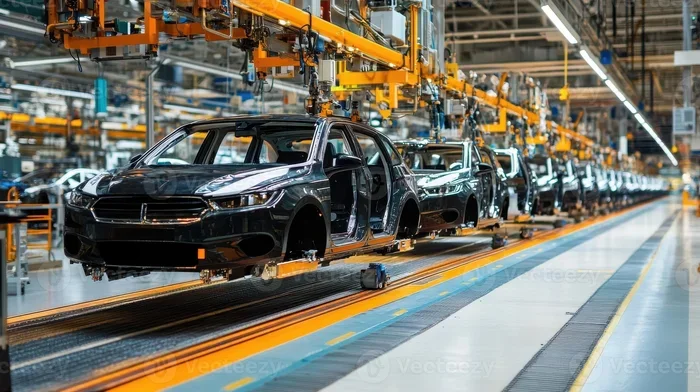
Once the panels are stamped, robotic arms move them along the assembly line. Workers and machines weld these panels together to form the car’s body structure. This body-in-white stage is the skeleton of your vehicle. It usually takes about one full day for a complete body to come together.
Stage 2: Painting and Coating
After the body is assembled, it moves to the paint shop. This is one of the most careful stages in the entire vehicle assembly process. The body gets cleaned, dipped in a primer, and then sprayed with the base coat and clear coat.
Painting takes time because each layer needs to dry properly. Factories use large drying ovens that bake the paint at high temperatures. The whole painting process can take anywhere from 12 to 24 hours. Quality inspectors check every inch of the body for any imperfections before it moves on.
Stage 3: Final Assembly
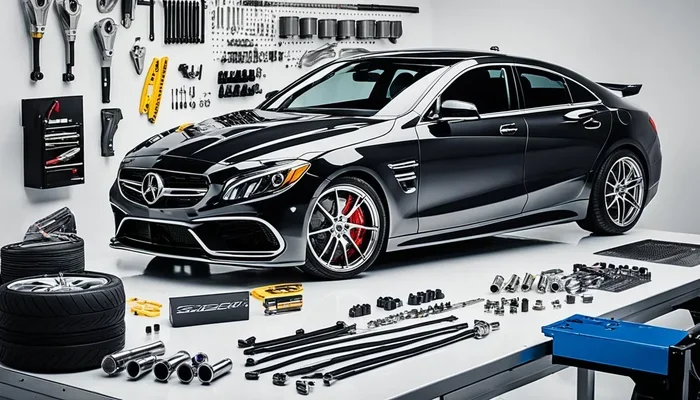
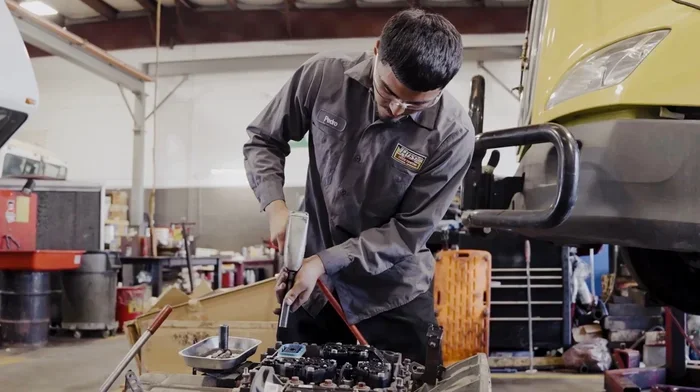
This is where the car really starts to take shape. The painted body moves to the final assembly area. Here, workers install the engine, transmission, suspension, seats, dashboard, and all the interior components.
Depending on the complexity of the model, final assembly can take between 8 and 16 hours. More complex vehicles like trucks or luxury SUVs with extra features take longer. Simple compact cars usually move through faster. Robots handle heavy lifting tasks while human workers manage the精细 detail work.
Stage 4: Quality Control and Testing
Before any car leaves the factory, it must pass rigorous quality control checks. The vehicle gets a full inspection of its electronics, brakes, engine, and safety systems. Each car also goes through a dynamometer test where it runs at high speeds on a machine to check for issues.
Factory workers also do a visual walk-around inspection. They check for paint defects, misaligned panels, and loose fittings. Any problems found get fixed before the car gets the green light for shipment. This stage adds a few hours to the overall car build time but ensures you receive a reliable vehicle.
What Affects How Long Your Car Takes to Build
Not all cars take the same amount of time to come from the factory. Several factors influence the production schedule and your overall wait time. Let us explore the biggest ones.
Customization and Options
If you ordered a base model with standard features, your car will likely build faster. But if you chose a custom color, premium leather seats, advanced driver assistance features, or a special trim package, the factory needs to allocate extra time. Each added option means more parts to source and more steps in the vehicle assembly process.
For example, a fully loaded luxury SUV with every available option might take an additional 2 to 4 weeks compared to a base model. This is one of the main reasons order-to-delivery time varies so much between buyers.
Factory Location and Shipping Distance
Where your car gets built matters a lot. If the manufacturing plant is in your home country, the shipping time is shorter. But many popular brands build cars overseas. A vehicle made in Mexico, South Korea, or Germany needs to travel across oceans before reaching your local dealership.
International shipping by cargo vessel takes about 2 to 4 weeks. Once the car arrives at a port, it still needs to be transported to a distribution center and then to a dealership. All of this adds to the total car delivery timeline.
Supply Chain and Parts Availability
The global automotive supply chain has faced major disruptions in recent years. Semiconductor chip shortages, raw material delays, and logistics bottlenecks have all slowed down new car production. When a factory cannot get parts on time, production lines slow down or stop entirely.
Even if your specific car model is in production, a shortage of a single component can delay your build. This is why many buyers experienced longer-than-expected waits during 2021 and 2022. While things have improved, supply chain issues can still cause unexpected delays.
Model Popularity and Demand
High-demand models naturally take longer to produce. When a new car launch generates massive interest, factories prioritize those builds. Popular trucks and SUVs often have waitlists that stretch weeks or even months. If you are buying a vehicle that everyone wants, expect a longer car production timeline.
From Factory to Dealership: The Shipping Journey
Once your car passes all quality checks, it is not done yet. The vehicle still needs to travel from the factory to the dealership where you will pick it up. This journey involves several logistics steps.
First, the car gets loaded onto a specialized carrier truck and driven to a nearby port or rail yard. From there, it travels by cargo ship or freight train to a regional distribution center. Finally, a local transport truck delivers the vehicle to the dealership.
The entire car shipping logistics process typically takes 1 to 3 weeks. However, weather conditions, port congestion, and transport scheduling can all affect this timeline. During peak shipping seasons, such as the holiday rush, delays are more common.
How Dealerships Receive and Process Vehicles
When a shipment arrives at the dealership, the staff inspects each vehicle. They check the mileage, fuel level, tire pressure, and overall condition. They also verify that all the options you ordered are present. Once the inspection is complete, the car gets staged on the lot or in the service bay, ready for you to pick up.
This dealership processing step usually takes 1 to 2 days. But during busy periods, it might take longer if the dealership has many vehicles arriving at once.
How to Track Your Car During Production
Waiting for a new car can feel like a black box. You place the order, pay the deposit, and then… you wait. But most modern manufacturers now offer ways to track your vehicle as it moves through the production schedule.
Manufacturer Online Portals
Brands like Ford, Toyota, Chevrolet, and Honda provide online build tracking tools. You log in with your order number and can see which stage your car is in. You might see updates like “stamping complete,” “body weld done,” or “painting in progress.”
These portals give you a real-time look at the car manufacturing process. They take much of the guesswork out of waiting. Check your manufacturer’s website or ask your dealer for the tracking link.
Working with Your Dealer
Your local dealer is your best resource for updates. A good sales advisor will keep you informed about your vehicle’s status. They can also contact the factory or distribution center if you have questions about delays.
Pro tip: Build a good relationship with your dealer. When you check in politely and regularly, they are more likely to prioritize your inquiry. It is a simple way to stay in the loop without being a nuisance.
Average Build Times by Vehicle Type
Different types of vehicles have different production timelines. Here is a general breakdown of how long various vehicle categories take to build and deliver.
- Compact Cars: About 6 to 10 weeks for production, plus 2 to 3 weeks for shipping and delivery.
- Mid-Size Sedans: Around 8 to 12 weeks from factory start to dealership arrival.
- SUVs and Crossovers: Typically 10 to 14 weeks due to larger size and more complex components.
- Trucks and Heavy-Duty Vehicles: 12 to 16 weeks or longer, especially for custom configurations.
- Luxury and Performance Models: 14 to 20+ weeks, as these often involve hand-built elements and premium materials.
- Electric Vehicles: 8 to 14 weeks, though battery supply can sometimes extend this timeline.
Keep in mind that these are average estimates. Your actual car delivery timeline could be shorter or longer based on the factors we discussed earlier. Always ask your dealer for a realistic estimate based on current factory conditions.
Tips to Speed Up Your Car Delivery
While you cannot control everything in the manufacturing process, there are smart steps you can take to minimize your wait time.
- Choose in-stock options when possible. If your dealer has a vehicle on the lot that matches what you want, you can drive it home the same day. This eliminates the entire factory build and shipping timeline.
- Be flexible with color and trim. Choosing a popular color and standard trim gets your car built faster than a rare combination that requires special ordering.
- Avoid peak buying seasons. December and January are busy months for car shopping. Ordering during slower periods can help you avoid production backlogs.
- Stay in regular contact with your dealer. Let them know you are ready to buy when the vehicle arrives. A dealer who knows you are prepared will prioritize your order.
- Consider a demo or used model. If you need a car quickly, a lightly used demo vehicle or a certified pre-owned car can fill the gap while you wait for your new one.
Common Mistakes Buyers Make When Waiting for a New Car
Many buyers make avoidable mistakes during the waiting period. Here are a few to watch out for.
- Not locking in your order details in writing. Verbal promises mean little if there is a mix-up. Always get your exact specifications in the purchase agreement.
- Ignoring the build and delivery timeline. Some buyers place an order and then forget about it for months. Staying engaged helps you catch delays early.
- Paying too much for expedited shipping. Some dealers offer to rush your car for an extra fee. In most cases, this does not actually speed things up and just costs you extra money.
- Not having a backup plan. If you are currently without a reliable vehicle, make arrangements before your new car arrives. Relying solely on the delivery date can leave you stranded.
Expert Insights on Modern Car Production
The automotive manufacturing industry has evolved dramatically over the past few decades. Automation, robotics, and data-driven production scheduling have made factories more efficient than ever. Modern plants can produce a finished vehicle in as little as 20 to 30 hours of active labor time.
However, efficiency does not always mean speed. The rise of vehicle customization means more buyers want unique builds. Factories must balance high-volume production with the demands of individual orders. This balancing act is the main reason why production timelines vary so much from one buyer to the next.
Industry experts also point to the growing complexity of modern vehicles as a factor. Today’s cars contain thousands of electronic components, advanced safety systems, and software that must be calibrated correctly. All of this adds time to the factory production process but results in a safer, more capable vehicle for you.
Looking ahead, many manufacturers are exploring ways to shorten the car manufacturing timeline further. Digital twin technology, AI-driven quality control, and smarter supply chain management are all being tested. These innovations promise to make the process faster and more transparent for buyers in the coming years.
Key Takeaways
- Average production time: Most cars take 2 to 6 months from factory start to final delivery.
- Customization adds time: Special orders with unique features can extend the timeline significantly.
- Factory location matters: Overseas manufacturing plants often add shipping delays of 2 to 4 weeks.
- Supply chain disruptions: Chip shortages and parts availability directly impact how long your car takes to build.
- Tracking your order: Most manufacturers offer online tools to monitor your vehicle’s progress through production stages.
- Peak seasons cause delays: Holiday periods and new model launches can stretch production and delivery times.
- Shipping logistics play a role: Once built, cars travel by cargo ship, rail, or truck before reaching your driveway.
Conclusion
The journey of a car from factory to front door is a complex but well-orchestrated process. From the initial stamping of metal sheets to the final quality inspection, every step matters. On average, expect your new car to take between 2 and 6 months to arrive after you place your order. Custom builds, overseas manufacturing, supply chain issues, and high demand can all push that timeline further.
Understanding the car manufacturing process gives you realistic expectations and helps you stay informed while you wait. Use the tracking tools your manufacturer offers, stay in touch with your dealer, and be flexible where you can. These small steps make a big difference in managing your vehicle delivery timeline.
Patience pays off when you finally walk into the dealership and see your factory-built car sitting there, ready for you. All those weeks of waiting will feel worth it the moment you turn the key and hit the road. Now you know exactly what to expect and how to make the process as smooth as possible. Happy car shopping!
Frequently Asked Questions
How long does it take for a car to be built at the factory?
Most cars take between 2 and 4 weeks to build at the factory, depending on the model and level of customization. Simple models with standard options move through the assembly line faster. Highly customized vehicles with special features require more time and attention during each stage of production.
Why is my new car taking so long to arrive from the factory?
Several factors can cause delays. Custom options, overseas factory locations, supply chain disruptions, and high demand for popular models all contribute to longer production schedules. Additionally, shipping logistics and dealership processing add extra time after the car leaves the factory. Check your order status online or ask your dealer for a specific explanation.
Can I speed up the car delivery process?
You have limited control over the factory production timeline, but choosing in-stock vehicles, flexible options, and standard configurations can help. Avoiding peak buying seasons also reduces wait times. Your dealer may be able to provide updates on current production backlogs for your specific model.
What happens after the car leaves the factory?
After production, the vehicle is transported to a port or rail yard for shipping. It travels to a regional distribution center and then to your local dealership. The dealership inspects the vehicle and prepares it for sale. This entire post-factory journey typically takes 1 to 3 weeks.
How can I track my car during the manufacturing process?
Most major manufacturers offer online build tracking portals where you can enter your order number and see real-time updates. You can view which production stage your vehicle is in, from stamping to final assembly. Your dealer can also provide updates if you have trouble accessing the online tools.
Does the type of car engine affect production time?
Yes, to some degree. Electric vehicles and hybrid models may take slightly longer due to battery assembly and calibration requirements. Standard gasoline and diesel engines follow a more streamlined production process. However, the difference in build time is usually only a few days and does not significantly change the overall timeline.