How Do I Upgrade My Vehicle A Complete Guide for Beginners
Upgrading your vehicle can transform how it drives, looks, and feels. This complete guide walks beginners through every step of the process, from performance boosts to interior comfort. You will learn about engine upgrades, suspension improvements, and smart budget tips. We cover exterior styling, safety features, and tech additions that add real value. By the end, you will know exactly how to upgrade your vehicle with confidence.
So you are thinking about upgrading your vehicle. Maybe your daily driver feels a little slow, or perhaps the interior looks tired after years of use. Whatever the reason, upgrading a car can be one of the most rewarding things a car owner can do.
But where do you actually start? The world of car upgrades can feel overwhelming. There are engines to tweak, wheels to swap, and tech gadgets to install. This guide breaks it all down into simple, easy-to-follow steps. Whether you want better performance, a fresh look, or a more comfortable ride, you will find exactly what you need here.
Upgrading your vehicle does not have to mean spending thousands of dollars. Many improvements are affordable and easy to install. You can start small and build up over time. The key is knowing what matters most to you. This guide will help you figure that out and then show you how to make it happen.
Key Takeaways
- Start with your goals: Know whether you want better performance, improved looks, or enhanced comfort before buying anything.
- Performance upgrades like cold air intake and exhaust systems offer the best bang for your buck.
- Exterior changes such as body kits and LED headlights give your car a fresh, modern look.
- Interior upgrades including audio systems and seat replacements make every drive more enjoyable.
- Safety upgrades like brake improvements and backup cameras protect you and your passengers.
- Budget-friendly options let you upgrade your vehicle without breaking the bank.
- Always check warranty terms and local laws before making any modifications.
📑 Table of Contents
Why You Should Upgrade Your Vehicle
Better Performance and Driving Experience
One of the biggest reasons people upgrade their vehicle is performance. A stock car is designed to appeal to the widest audience possible. That means manufacturers often hold back some power. A simple engine upgrade or a new exhaust system can unlock hidden potential. You will notice faster acceleration, smoother handling, and a more responsive ride.
Even small changes can make a big difference. For example, upgrading your air filter to a cold air intake can improve your engine’s breathing. This means better fuel combustion and more power. You do not need to be a mechanic to see real results from these kinds of upgrades.
Increased Vehicle Value
Did you know that well-chosen upgrades can boost your car’s resale value? When the time comes to sell, buyers look for vehicles that have been maintained and improved. A car with a fresh body kit, new wheels, and upgraded brakes stands out on the lot. Vehicle modification done right adds appeal, not just to you but to future buyers too.
Focus on upgrades that most people appreciate. Performance improvements, safety features, and modern tech additions tend to hold their value well. Avoid overly niche changes that only a small group of people care about.
Personalization and Style
Your car is an extension of your personality. Upgrading lets you make it truly yours. Whether you prefer a sleek, sporty look or a rugged, adventurous vibe, there are car modifications that match your style. From a bold body kit to custom wheels, the options are nearly endless.
Personalization also makes you proud of your ride. Every time you walk up to your car, you will feel that sense of ownership and satisfaction. That emotional connection is worth more than any number on a price tag.
Performance Upgrades That Make a Real Difference
Engine and Air Intake Improvements
The engine is the heart of your vehicle. Upgrading it should be your first priority if performance matters most to you. A cold air intake is one of the easiest and most affordable upgrades you can make. It draws cooler air into the engine, which burns more efficiently and produces more power.
Another popular option is a performance chip or tuning module. These small devices plug into your car’s computer and optimize fuel delivery and timing. The result is often a noticeable boost in horsepower and torque. Many drivers report better fuel efficiency too, which is a nice bonus.
If you want more serious gains, consider a turbo kit or supercharger. These force more air into the engine, dramatically increasing power. However, these upgrades cost more and may require professional installation. Always check your vehicle warranty before making engine changes, as some modifications can void coverage.
Exhaust System Upgrades
Your car’s exhaust system plays a huge role in performance and sound. A stock exhaust is designed to be quiet and meet emissions standards. An aftermarket exhaust opens up flow and lets the engine breathe better.
Performance mufflers and cat-back exhaust systems are popular choices. They reduce back pressure and can add anywhere from 5 to 15 horsepower depending on your vehicle. Plus, they give your car a deeper, more aggressive sound that turns heads on the road.
Suspension and Handling Upgrades
Upgrading your suspension transforms how your car handles corners, bumps, and curves. Coilovers and lowering springs are the most common suspension upgrades. They lower your vehicle’s center of gravity, which reduces body roll during turns.
Better handling means a safer and more confident driving experience. You will feel more in control, especially at higher speeds or on winding roads. Adjustable coilovers let you fine-tune ride height and stiffness, so you can dial in exactly how your car feels.
Strut tower braces and sway bars are smaller upgrades that make a big impact. They reduce chassis flex and improve stability. These are great starting points if you are new to car modification.
Brake System Improvements
Upgrading your brakes is one of the most important safety-related improvements you can make. High-performance brake pads and rotors offer better stopping power, especially under heavy use. If you have added performance upgrades that increase your car’s speed, better brakes become even more essential.
Brake lines and brake fluid upgrades also help. Stainless steel braided lines reduce flex and provide a firmer brake pedal feel. High-quality brake fluid resists boiling at high temperatures, which is crucial during spirited driving or towing.
Exterior Upgrades That Turn Heads
Body Kits and Aerodynamics
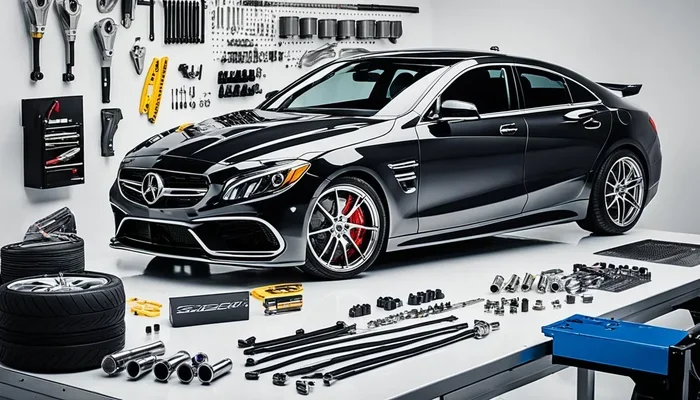
A body kit is one of the most dramatic ways to change your car’s look. It includes front and rear bumpers, side skirts, and sometimes a hood or spoiler. Body kits give your vehicle a more aggressive, sporty appearance that sets it apart from the crowd.
When choosing a body kit, make sure it fits your specific make and model. Universal kits often require cutting and fitting, which can be tricky. Bolt-on kits are easier to install and look more factory-fitted. Some body kits also improve aerodynamics, which can help with high-speed stability.
Wheel and Tire Upgrades
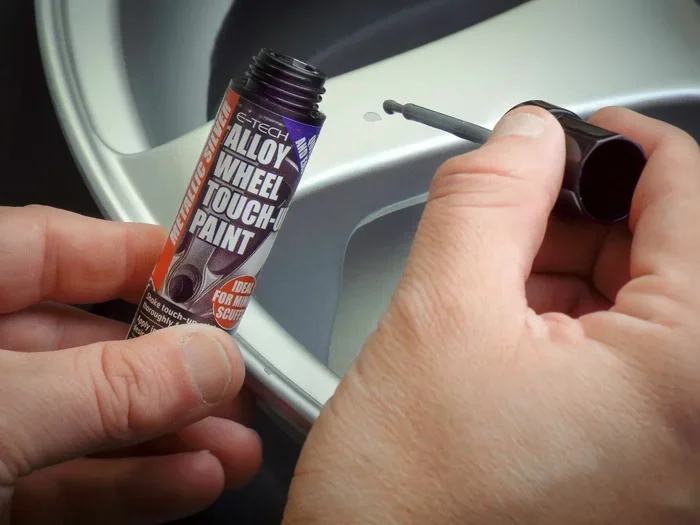
New wheels are one of the most visible and impactful upgrades you can make. Larger wheels with low-profile tires give your car a sporty, aggressive stance. They also improve handling because the sidewall is shorter, which means less flex in corners.
When choosing wheels, consider weight too. Lighter wheels improve acceleration, braking, and fuel economy. Alloy wheels are a popular choice because they look great and are lighter than steel. Always check your vehicle’s bolt pattern and offset to make sure the wheels fit properly.
Lighting Improvements
LED headlights and tail lights are a fantastic upgrade that improves both looks and safety. LED lights are brighter, last longer, and use less energy than traditional halogen bulbs. They also give your car a modern, premium look that stands out at night.
You can also add fog lights for better visibility in bad weather. LED daytime running lights add a sleek touch and improve your visibility to other drivers. These are simple upgrades that make a noticeable difference every time you drive.
Paint Protection and Wraps
Protecting your car’s paint is an upgrade that preserves its look and value. Ceramic coatings create a durable, hydrophobic layer that shields against UV rays, dirt, and minor scratches. A ceramic coating makes washing easier and keeps your car looking shiny for years.
Paint protection film, also known as clear bra, covers vulnerable areas like the front bumper and hood. It absorbs impacts from road debris and prevents chips. For a completely different look, vinyl wraps let you change your car’s color without permanent paint. Matte black, carbon fiber, and even chrome wraps are popular options.
Interior Comfort and Tech Upgrades
Seat Upgrades and Comfort
Your car’s seats take a lot of abuse over the years. Upgrading to sport seats or memory foam cushions makes every drive more comfortable. Heated and ventilated seat covers are affordable upgrades that add luxury to any vehicle.
If you spend a lot of time on the road, consider a steering wheel cover with better grip and warmth. Floor mats that match your style also add a polished touch. Small interior changes add up to a big difference in how your car feels every day.
Audio System Enhancements
Factory audio systems are often basic and lack clarity. Upgrading your speakers, subwoofer, and amplifier transforms your listening experience. A good set of component speakers makes music sound rich and detailed. Adding a subwoofer brings bass to life, making every song more immersive.
Bluetooth receivers and USB inputs let you play music from your phone seamlessly. Some upgrades include touchscreen displays that support Apple CarPlay and Android Auto. These tech additions make your daily commute more enjoyable and keep you connected safely.
Dashboard and Display Upgrades
Modern dash cameras and display screens add both convenience and safety. A dash camera records your drives and provides valuable footage in case of an accident. Backup cameras make parking easier and reduce the risk of collisions in tight spaces.
Head-up displays project speed and navigation info onto your windshield. This lets you keep your eyes on the road instead of looking down at the dashboard. These upgrades are especially helpful for older vehicles that lack modern tech features.
Safety Upgrades You Should Not Skip
Advanced Driver Assistance Systems
Safety should always come first when upgrading your vehicle. Advanced driver assistance systems, or ADAS, include features like lane departure warning, blind spot monitoring, and forward collision alert. Many of these systems can be added to older vehicles with aftermarket kits.
Blind spot mirrors are an affordable and easy-to-install safety upgrade. They give you a wider view of the road and reduce the risk of lane-change accidents. Backup sensors and cross-traffic alerts help you navigate parking lots safely.
Tire and Traction Improvements
Your tires are the only part of your car that touches the road. Upgrading to all-season or performance tires improves grip and handling significantly. High-quality tires shorten stopping distances and perform better in rain, snow, and dry conditions.
Tire pressure monitoring systems alert you when pressure drops, which improves fuel efficiency and prevents blowouts. This is a simple upgrade that makes a real difference in safety and performance. Never underestimate the importance of good tires.
Budget-Friendly Ways to Upgrade Your Vehicle
Start Small and Build Up
You do not need to spend a fortune to see real improvements. Start with small, affordable upgrades that make an immediate difference. A new air filter, upgraded spark plugs, or a fresh set of floor mats can transform how your car feels.
Set a budget before you start shopping. Decide which upgrades matter most to you and prioritize those. You can always add more upgrades over time as your budget allows. This approach keeps your spending under control and prevents buyer’s remorse.
DIY vs Professional Installation
Some upgrades are easy to do yourself. Air filters, light bulbs, floor mats, and seat covers can usually be installed with basic tools and a YouTube tutorial. Doing it yourself saves money and gives you a sense of accomplishment.
More complex upgrades like engine tuning, suspension work, or electrical systems are best left to professionals. A bad installation can damage your vehicle or void your warranty. Always be honest about your skill level and seek help when needed.
Where to Find Quality Parts
Online marketplaces and specialty auto shops offer a wide range of aftermarket parts. Read reviews and compare prices before making a purchase. Look for brands with good reputations and solid warranties. Avoid the cheapest options for critical safety components like brakes and tires.
Local car meets and forums are great places to find advice and deals. Enthusiasts love sharing their experiences with specific products. You can often find used parts in good condition at a fraction of the cost.
Common Mistakes to Avoid When Upgrading
One of the biggest mistakes is buying parts without checking compatibility. Not every part fits every vehicle. Always verify the make, model, and year before purchasing. Returning incompatible parts wastes time and money.
Another common error is ignoring warranty implications. Some modifications can void your factory warranty, especially engine and electrical changes. Read your warranty terms carefully and consult your dealer if you are unsure. Protecting your warranty is important, especially for newer vehicles.
Do not overlook the importance of quality. Cheap parts may save money upfront but often wear out faster and perform poorly. Investing in reputable brands ensures your upgrades last longer and deliver the results you expect. Quality always wins in the long run.
Finally, avoid over-upgrading. Adding too many changes can make your vehicle feel disjointed. Stick to a cohesive plan and choose upgrades that complement each other. A well-thought-out upgrade strategy looks and performs far better than a random collection of parts.
Conclusion
Upgrading your vehicle is a journey, not a destination. Whether you start with a simple cold air intake or go all in with a complete performance build, every upgrade brings you closer to the car you have always wanted. The key is to start with clear goals, choose quality parts, and take a thoughtful approach.
Remember that the best upgrade is one that matches your driving style and needs. Do not chase trends just because they look cool on social media. Focus on improvements that make your daily drives better, safer, and more enjoyable. With the right plan and a bit of patience, you can transform any vehicle into something truly special.
Now that you know the basics, it is time to take action. Pick one upgrade from this guide and start your journey today. Your upgraded vehicle is waiting, and the road ahead has never looked better.
Frequently Asked Questions
What is the easiest vehicle upgrade for beginners?
An air filter upgrade or new LED headlights are the easiest places to start. They are affordable, easy to install, and deliver noticeable improvements right away. Most beginners can complete these upgrades in under an hour with basic tools.
Do vehicle upgrades void the warranty?
It depends on the modification and your warranty terms. Engine and electrical changes are most likely to affect coverage. Always check with your dealer before making major modifications. Some upgrades like wheels and body kits typically do not impact your warranty.
How much does it cost to upgrade a vehicle?
Costs vary widely based on the type of upgrade. Small improvements like air filters and floor mats can cost under $100. More involved upgrades like suspension or exhaust systems may range from $300 to $1,500. Set a budget and prioritize the upgrades that matter most to you.
Can I upgrade an older vehicle with modern tech features?
Yes, many modern tech features can be added to older vehicles. Aftermarket dash cameras, backup sensors, and Bluetooth audio receivers are widely available and easy to install. These upgrades make older cars feel more modern and safer to drive.
Are performance upgrades worth the investment?
Performance upgrades are worth it if you value a better driving experience. They improve power, handling, and often fuel efficiency too. Even small changes like an exhaust upgrade or performance tires can make a significant difference on the road.
What should I upgrade first when modifying my car?
Start with safety and reliability upgrades like better brakes and tires. Then focus on performance improvements such as air intake and exhaust systems. Finally, add styling and comfort upgrades like wheels, lighting, and interior enhancements. This order ensures your vehicle is safe and capable before you focus on looks and luxury.
=== SEO Title ===
How Do I Upgrade My Vehicle? Complete Beginner Guide
=== META TITLE ===
How Do I Upgrade My Vehicle? Complete Beginner’s Guide (2024)
=== URL SLUG ===
how-do-i-upgrade-my-vehicle-complete-guide
=== OPENING SUMMARY ===
Wondering how do I upgrade my vehicle? This complete beginner’s guide covers everything you need to know about car upgrades and vehicle improvement. You will learn about performance upgrades, exterior modifications, and interior enhancements that transform any ride. Whether you want better fuel efficiency, a bold new look, or improved safety features, this guide has you covered. Aftermarket parts and smart car accessories can boost your vehicle’s value and your driving experience in ways you never imagined.