Do Hybrid Cars Need Charging or Are They Self Charging
Do hybrid cars need charging? The answer depends on the type of hybrid you drive. Self-charging hybrids recharge their own batteries while you drive, but plug-in hybrids need an external power source. Understanding how each system works helps you make the right choice for your driving habits and fuel savings.
Have you ever wondered, do hybrid cars need charging? It is a question that confuses a lot of people. The short answer is: it depends on the type of hybrid you own. Some hybrids charge themselves. Others need you to plug them in. And a few barely use electricity at all. This guide breaks it all down in plain, simple language.
Hybrid vehicles have been around for decades now. They promise better fuel economy and lower emissions. But the charging part still trips people up. If you are shopping for a new car or just curious about how your current ride works, you are in the right place. Let us walk through everything you need to know about hybrid car charging.
Key Takeaways
- Self-charging hybrids do not need a plug: They use regenerative braking and the engine to recharge the battery on the go.
- Plug-in hybrids (PHEVs) do need charging: They have larger batteries that require an external power source for full electric driving.
- Mild hybrids cannot run on electric power alone: The electric motor only assists the gas engine, so no separate charging is needed.
- Full hybrids offer a balance: You get some electric driving without ever plugging in.
- Regenerative braking is the key technology: It captures energy during deceleration and feeds it back to the battery.
- Charging a plug-in hybrid is simple: A standard home outlet or a dedicated charging station works for most PHEVs.
- Hybrid battery maintenance is minimal: Most hybrid batteries last 100,000+ miles with proper care.
📑 Table of Contents
What Is a Hybrid Car and How Does It Work?
A hybrid vehicle combines a traditional gas engine with one or more electric motors. The goal is simple: use less fuel and produce fewer emissions. The electric motor kicks in during low-speed driving, while the gas engine takes over at higher speeds. Together, they share the workload.
Most hybrids use a small battery pack to store electrical energy. This battery is much smaller than the one in a fully electric car. A typical hybrid battery holds between 1 and 5 kilowatt-hours of energy. For comparison, a fully electric vehicle might have a 60 to 100 kilowatt-hour battery. So the hybrid battery is compact and efficient.
The powertrain in a hybrid is smart. It decides when to use gas, when to use electricity, or when to blend both. This decision happens automatically. You do not need to do anything special. The car handles it all behind the scenes.
Do Hybrid Cars Need Charging?
Here is where things get interesting. Do hybrid cars need charging? Not all of them do. The answer really depends on the hybrid type. Let us look at the three main categories.
Self-Charging Hybrids (Full Hybrids)
Also called full hybrids or self-charging hybrids, these vehicles do not need any external charging. The battery recharges itself while you drive. How? Through a clever process called regenerative braking. When you take your foot off the gas or hit the brakes, the electric motor runs in reverse. It acts as a generator. This captures energy and sends it back to the battery.
You can also charge the battery through the gas engine. The engine powers a generator that feeds electricity into the battery. So every time you drive, the battery gets a little boost. No plugs. No charging cables. No waiting.
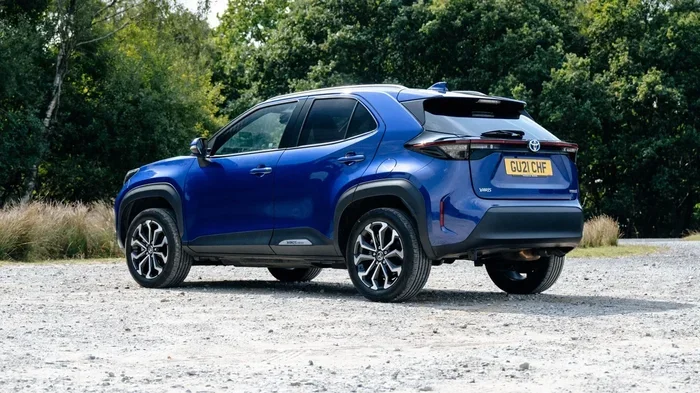
Popular examples include the Toyota Prius and the Honda Accord Hybrid. These cars run on both gas and electric power seamlessly. You just fill up the tank and drive. That is it.
Plug-In Hybrids (PHEVs)
Plug-in hybrids are a different beast. They have a much larger battery than a regular hybrid. This bigger battery allows for all-electric driving for a limited range. Most PHEVs can go 20 to 50 miles on electricity alone.
But here is the catch. Do plug-in hybrids need charging? Yes, they do. To get the full electric range, you must plug them in. You can charge at home using a standard outlet or a dedicated charging station. You can also use public charging stations when you are out and about.
If you do not plug in a PHEV, it still works. The gas engine takes over just like a regular hybrid. But you lose the electric-only driving benefit. You also get lower fuel economy compared to when the battery is charged.
Popular plug-in hybrids include the Toyota RAV4 Prime and the Mitsubishi Outlander PHEV. These are great for people who have a short daily commute and can charge at home overnight.
Mild Hybrids
Mild hybrids are the simplest type of hybrid. The electric motor is small and cannot power the car on its own. Instead, it assists the gas engine. It helps with things like smooth starts and extra power during acceleration.
Mild hybrids do not need charging from an outlet. The battery is tiny and recharges through regenerative braking. You get a slight fuel economy boost, but that is about it. There is no electric-only driving mode.
Examples include many modern Ram and Mercedes-Benz models. Mild hybrids are a good option if you want a small efficiency boost without changing your driving habits.
Types of Hybrid Vehicles and Their Charging Needs
Not all hybrids are created equal. Understanding the differences helps you pick the right car. Here is a quick look at the main types and what each one means for charging.
| Hybrid Type | Needs Plug-In Charging? | Electric-Only Range | How It Recharges |
|---|---|---|---|
| Self-Charging Full Hybrid | No | 1–3 miles | Regenerative braking and engine |
| Plug-In Hybrid (PHEV) | Yes | 20–50 miles | External plug or regenerative braking |
| Mild Hybrid | No | 0 miles | Regenerative braking only |
As you can see, the charging needs vary a lot. A self-charging hybrid is the easiest to own. You never worry about plugging in. A plug-in hybrid gives you more electric range but requires a charging routine. And a mild hybrid is the simplest but offers the least electric benefit.
Which Hybrid Is Right for You?
Think about your daily driving. If you commute less than 30 miles a day, a plug-in hybrid could work well. You can drive on electricity for most of your trip and only use gas for longer journeys. If you drive longer distances regularly, a self-charging hybrid might be the better fit.
Also consider your access to charging. Do you have a garage or driveway where you can install a home charging station? If not, a self-charging hybrid removes the charging hassle entirely.
How Self-Charging Hybrids Recharge Their Batteries
Self-charging hybrids are clever machines. They do not need you to do anything special to keep the battery powered. The car handles everything automatically. Let us look at the two main ways they recharge.
Regenerative Braking
This is the star of the show. When you slow down or brake, the electric motor flips roles. Instead of using electricity to turn the wheels, it uses the spinning wheels to generate electricity. This energy flows back into the battery pack. It is like giving your battery a little recharge every time you slow down for a red light.
Over time, this adds up. City driving with lots of stops and starts is actually great for regenerative braking. That is one reason hybrids often get better fuel economy in the city than on the highway.
Engine-Assisted Charging
The gas engine can also recharge the battery. When the battery level drops, the system routes some engine power to a generator. This generator produces electricity and feeds it back to the battery. It happens seamlessly in the background. You never notice it.
This is how full hybrids like the Toyota Prius maintain their battery charge. You drive, the car manages the energy flow, and you get excellent fuel economy without any extra effort.
What About Highway Driving?
Some people worry that regenerative braking does not work as well on the highway. That is true to some extent. There are fewer stops on the highway, so less energy is captured through braking. But the engine-assisted charging picks up the slack. The gas engine runs more steadily at highway speeds, and the generator still produces electricity.
So even on long road trips, a self-charging hybrid keeps its battery topped off. You do not need to plug in. The car takes care of itself.
Plug-In Hybrids: Do You Need a Charging Station?
If you are considering a plug-in hybrid, you probably have one big question: do you really need a charging station at home? The short answer is no, but it helps a lot.
Charging at Home
Every plug-in hybrid comes with a charging cable. You can plug it into a standard 120-volt household outlet. This is called Level 1 charging. It is slow. A full charge might take 8 to 12 hours. But it works. You plug in when you get home from work, and the car is ready the next morning.
For faster charging, you can install a Level 2 home charger. This requires a 240-volt outlet, similar to what a clothes dryer uses. A Level 2 charger can fully charge a PHEV in 2 to 4 hours. It is a convenient setup if you have a garage or dedicated parking spot.
You do not need a fancy setup. A standard outlet works fine for most people. The key is to plug in regularly so the battery stays charged.
Public Charging Options
Can you charge a plug-in hybrid at a public charging station? Yes, you can. Many public stations support Level 2 charging. Some even offer DC fast charging, though most PHEVs do not accept DC fast charging.
Public charging is handy for longer trips or when you do not have home charging. But for daily use, home charging is the most practical option. It is convenient and costs very little in electricity.
What Happens If You Never Plug In?
If you buy a plug-in hybrid and never plug it in, it still works. The car operates just like a regular self-charging hybrid. You get gas-electric power and decent fuel economy. But you lose the electric-only driving mode. The battery stays at a low charge, and the electric motor is used less.
So plugging in is optional but recommended. If you want the full benefit of a PHEV, make charging part of your routine.
Common Myths About Hybrid Charging
There are a lot of misconceptions about hybrid cars and charging. Let us clear up some of the most common ones.
Myth 1: All Hybrids Need to Be Plugged In
This is the biggest myth out there. Many people think every hybrid needs a plug. In reality, only plug-in hybrids need external charging. Full hybrids and mild hybrids charge themselves automatically. You never need to find a charging cable or hunt for a charging station.
Myth 2: Hybrid Batteries Die Quickly
Some drivers worry that the battery will fail after a few years. Modern hybrid batteries are built to last. Most manufacturers warranty them for 8 to 10 years or 100,000 miles. Many hybrid batteries go well beyond that with proper care. They are designed for long life and reliability.
Myth 3: Charging a Hybrid Is Expensive
For self-charging hybrids, there is no charging cost at all. The battery recharges for free while you drive. For plug-in hybrids, the cost of charging at home is very low. Electricity is much cheaper than gasoline. Over time, you save real money on fuel.
Myth 4: You Need Special Maintenance for the Battery
Hybrid batteries are mostly maintenance-free. There are no special routines you need to follow. The car’s computer manages battery health automatically. You just drive and maintain the car as you normally would. Avoid letting the battery drain completely, but other than that, there is not much to do.
Final Thoughts
So, do hybrid cars need charging? The answer really comes down to the type of hybrid you choose. Self-charging hybrids and mild hybrids handle everything on their own. You never plug them in. Plug-in hybrids offer more electric range but do require you to plug them in regularly.
Each type has its own strengths. Self-charging hybrids are the easiest to own. Plug-in hybrids offer the best of both worlds if you have access to charging. Mild hybrids are a simple upgrade for better fuel economy.
If you are still deciding, think about your driving habits and charging access. For most people, a self-charging hybrid is the most convenient choice. You get the benefits of electric assist without any charging hassle. For those who want maximum electric driving, a plug-in hybrid is worth the extra effort.
The world of hybrid vehicles keeps evolving. New technology makes these cars more efficient every year. Whether you choose a self-charging model or a plug-in, you are making a smart choice for your wallet and the environment. Hybrid cars are here to stay, and understanding how they charge is the first step to getting the most out of your vehicle.
Frequently Asked Questions
Can I charge a self-charging hybrid at a public station?
No, self-charging hybrids do not have a charging port. Their batteries recharge automatically through regenerative braking and the gas engine. You never need to plug them in.
How long does it take to charge a plug-in hybrid at home?
Using a standard 120-volt outlet, it takes about 8 to 12 hours for a full charge. With a Level 2 home charger, you can fully charge a PHEV in 2 to 4 hours. The time depends on your battery size and charger type.
Do hybrid batteries need to be replaced often?
No, most hybrid batteries last well over 100,000 miles. Many last 150,000 miles or more. Manufacturers typically warranty hybrid batteries for 8 to 10 years. With proper care, you should not need a replacement anytime soon.
Is it cheaper to charge a plug-in hybrid than to fill up with gas?
Yes, electricity is generally much cheaper than gasoline. Charging a plug-in hybrid at home costs just a few dollars per full charge. Over time, these savings add up significantly compared to filling a gas tank.
Can a hybrid car run on electricity alone?
It depends on the type. Full hybrids and plug-in hybrids can run on electricity for short distances. Mild hybrids cannot run on electricity alone. Self-charging hybrids typically offer 1 to 3 miles of electric-only driving.
What is the difference between a hybrid and an electric car?
A hybrid car uses both a gas engine and an electric motor. An electric car runs entirely on electricity and needs to be plugged in to charge. Hybrids offer the flexibility of gas and electric power combined, while electric cars produce zero tailpipe emissions.