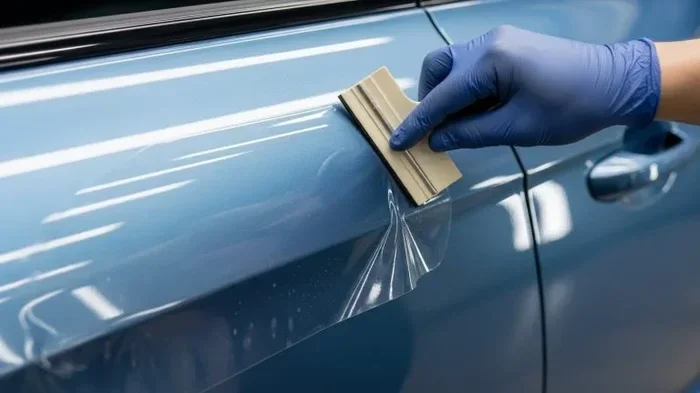
Do Car Wraps Scratch Easily Heres What You Need To Know
Do car wraps scratch easily? The short answer is no, but they are not completely scratch-proof either. Modern vinyl wraps are designed with durable materials that resist minor abrasions and daily wear. However, improper care, harsh environments, and poor installation can lead to surface damage that affects both appearance and protection. Understanding how car wrap scratch resistance works helps you make smart choices about maintenance and longevity.
Have you ever wondered, do car wraps scratch easily? Maybe you are considering wrapping your car and worry about every little scuff. Or perhaps you already have a wrap and noticed a few marks. Either way, you are not alone in asking this question.
The truth about car wrap scratch resistance is more nuanced than a simple yes or no. High-quality vinyl wraps are built to handle a lot. They face road debris, parking lot dings, and weather every single day. But they are not invincible. Understanding what causes scratches and how to prevent them makes all the difference. In this guide, we break down everything you need to know about vinyl wrap durability and keeping your vehicle looking great.
Key Takeaways
- Car wraps are surprisingly durable: High-quality vinyl film resists most minor scratches and everyday abrasions.
- Proper installation matters: A professionally installed vehicle wrap lasts longer and handles scratches better than a poorly applied one.
- Maintenance prevents damage: Regular washing, waxing, and avoiding harsh chemicals keeps your wrap looking new.
- Scratches can often be fixed: Minor swirl marks and light scratches can be polished out by a professional.
- Paint protection film offers extra defense: Adding a clear coat or PPF layer boosts scratch resistance significantly.
- Environmental factors play a role: UV rays, bird droppings, and tree sap can weaken the vinyl surface over time.
- Know when to replace: Deep gouges or peeling wrap sections need professional attention or full replacement.
📑 Table of Contents
- What Is a Car Wrap and How Does It Protect Your Vehicle?
- Are Car Wraps Scratch Resistant? The Truth About Vinyl Durability
- What Causes Scratches on Car Wraps?
- How to Prevent Scratches on Your Car Wrap
- Can Scratches on a Car Wrap Be Fixed?
- Car Wrap vs. Paint: Which Is More Scratch Prone?
- Common Mistakes That Lead to Wrap Scratches
- Expert Insights on Car Wrap Longevity and Scratch Resistance
- How Long Does a Car Wrap Last Before Scratches Become a Problem?
- Final Thoughts: Should You Worry About Scratches on Your Car Wrap?
What Is a Car Wrap and How Does It Protect Your Vehicle?
A car wrap is a layer of vinyl film applied directly over your vehicle’s original paint. It acts as a shield. Think of it like a giant sticker that covers every panel of your car or truck. The adhesive layer bonds to the paint surface, while the outer layer faces the world.
Most quality wraps use polyurethane or polyethylene materials. These plastics are flexible yet strong. They absorb small impacts and resist minor scrapes. The clear coat on top adds another level of defense. Together, these layers create a barrier between your paint and the outside world.
But here is the thing many people miss. A vehicle wrap does more than just look good. It preserves your factory paint. If you ever decide to sell the car, the original paint underneath stays pristine. That is a huge selling point for wrapped vehicles.
Types of Vinyl Used in Car Wraps
Not all vinyl wraps are created equal. The material you choose affects scratch resistance a lot. Here are the most common types:
- Cast vinyl: This is the premium option. It is thinner, more conformable, and more resistant to scratches. Cast vinyl conforms to curves and edges better than other types.
- Calendered vinyl: This is the budget-friendly choice. It is thicker and stiffer. It works well for flat surfaces but may show scratches more easily.
- Polyurethane wraps: These are the toughest option. They are used in paint protection film applications and offer the highest scratch resistance.
If you want maximum scratch protection, go with cast vinyl or polyurethane. They cost more upfront but save you money in the long run.
Are Car Wraps Scratch Resistant? The Truth About Vinyl Durability
So, do car wraps scratch easily? The honest answer is that quality vinyl wraps are quite resistant. They handle everyday contact far better than most people expect. A light brush against a wall, a gentle tap from a shopping cart, or small road debris usually bounce right off.
The outer layer of a car wrap is designed to be self-healing to some degree. Minor swirl marks and light scratches can actually fade over time as the vinyl warms up in sunlight. This is a feature of high-quality polyurethane film, not something you see in cheaper wraps.
However, this does not mean your wrap is indestructible. Sharp objects, gravel kicked up by trucks, and deliberate scratches will leave marks. The key is understanding the difference between normal wear and actual damage.
How Scratch-Resistant Are Different Wrap Finishes?
The finish of your vehicle wrap plays a big role in scratch visibility. Here is a quick look:
- Gloss finish: Scratches are more visible on glossy surfaces because light reflects off them clearly.
- Matte finish: Scratches tend to hide better on matte wraps. The diffused surface scatters light and makes marks less noticeable.
- Satin finish: A middle ground. Satin wraps show some scratches but not as much as gloss.
- Chrome and specialty finishes: These are more prone to showing marks. Extra care is needed to keep them looking perfect.
If scratch visibility is a concern for you, a matte wrap might be the best choice. It hides minor imperfections well and still looks fantastic.
What Causes Scratches on Car Wraps?
Knowing what damages your wrap helps you prevent it. Several common causes lead to surface damage on vinyl wraps. Let us go through them.
Improper Washing Techniques
This is the number one cause of scratches on car wraps. Using a rough sponge, harsh brushes, or abrasive cleaning products strips away the protective layer. Even something as simple as wiping your wrap dry with a rough towel can create fine swirl marks over time.
The right way to wash a wrapped car is with a soft microfiber mitt and pH-neutral soap. Always use two buckets, one for soapy water and one for rinsing. This prevents dirt from getting dragged across the surface.
Environmental Exposure
Your car faces nature every day. UV rays slowly break down the vinyl surface, making it more brittle and prone to scratching. Bird droppings, tree sap, and acid rain eat into the protective layer if left untreated.
Parking under trees might feel nice, but falling branches and sap can cause serious wrap damage. Try to park in covered areas or use a car cover when possible.
Road Debris and Gravel
Driving on gravel roads or following trucks kicking up stones is tough on any vehicle wrap. Small rocks chip away at the surface, creating pits and scratches. High-speed driving makes this worse because the impact force increases.
If you frequently drive on rough roads, consider adding a paint protection film to high-impact areas like the front bumper and hood.
Improper Installation
A poorly installed car wrap is much more vulnerable to scratches. If the vinyl is not applied correctly, it can lift at the edges. Dirt and moisture get trapped underneath, causing adhesion failure and surface damage. Always hire a professional for wrap installation to avoid these problems.
How to Prevent Scratches on Your Car Wrap
Prevention is always easier than repair. Taking a few simple steps keeps your car wrap looking brand new for years. Here are the best practices.
Wash Your Wrap the Right Way
Hand washing is always better than automatic car washes for vinyl wraps. The brushes in automatic washes can be too harsh and leave fine scratches. If you must use a touchless wash, make sure it uses gentle pressure and no rotating brushes.
Follow these steps for a safe wash:
- Rinse the car thoroughly to remove loose dirt.
- Use a soft wash mitt with pH-neutral soap.
- Wash in straight lines, not circles, to avoid swirl marks.
- Rinse completely and dry with a clean microfiber towel.
- Apply a wrap-safe sealant every few months for extra protection.
Use Ceramic Coating or Paint Protection Film
Adding a ceramic coating over your car wrap is a game changer. It creates a hard, hydrophobic layer that repels water, dirt, and minor scratches. The coating fills in micro-scratches and adds a deep shine.
Paint protection film is another excellent option. PPF is a clear, thick layer applied over the wrap. It takes the hits so your vinyl does not have to. This is especially useful for the front end of the car, where rocks and debris hit most often.
Park Smart and Drive Carefully
Where you park matters more than you think. Avoid tight spaces where doors might scrape against poles or other cars. Park away from construction zones where debris flies around.
When driving, keep a safe distance from trucks and vehicles carrying loose materials. Gravel trucks are the worst offenders for wrap surface damage.
Regular Maintenance Schedule
Treat your car wrap like you would treat a premium paint job. Wash it every one to two weeks. Apply a wrap-safe wax every three months. Inspect the edges and seams every few months for any lifting or peeling.
A little effort goes a long way. Consistent maintenance prevents most scratch damage before it starts.
Can Scratches on a Car Wrap Be Fixed?
Yes, most scratches on a car wrap can be fixed. The method depends on the depth and type of scratch. Let us look at the options.
Minor Scratches and Swirl Marks
Fine scratches and swirl marks are the most common issue. These can usually be removed with a gentle polish. A professional detailer uses a soft polishing compound and a machine buffer to level out the scratch.
Do not try to buff out scratches yourself unless you have experience. Using the wrong compound or too much pressure can melt or haze the vinyl. Always trust a professional for wrap scratch repair.
Deeper Scratches and Gouges
Deep scratches that go through the vinyl layer are harder to fix. In most cases, the damaged section needs to be replaced. A skilled installer can cut out the damaged area and apply a new piece of vinyl film to match the surrounding wrap.
If the scratch has damaged the underlying paint, that is a different story. The paint protection film or wrap has done its job by shielding the paint. You would then need to address the paint damage separately.
When to Replace the Entire Wrap
Sometimes, scratches are just one part of a bigger problem. If your car wrap is old, peeling, or has widespread damage, a full replacement might be the best call. Most quality wraps last five to seven years with proper care. After that, the material starts to break down and becomes more vulnerable to surface damage.
Car Wrap vs. Paint: Which Is More Scratch Prone?
This is a common question, and the answer might surprise you. Car paint is actually more prone to scratches than most people think. Your factory paint has a relatively thin clear coat layer on top. Once that layer is gone, the color coat underneath is exposed and vulnerable.
A vehicle wrap adds a thicker protective layer over the paint. The vinyl film takes the beating so your original paint stays safe. In many cases, a wrapped car has better scratch resistance than a painted one.
However, wraps can show scratches differently than paint. Paint scratches often look like deep grooves. Wrap scratches might appear as surface marks that can sometimes be buffed out. Each has its own advantages and limitations.
| Feature | Car Wrap | Factory Paint |
|---|---|---|
| Scratch Visibility | Surface-level marks, often buffable | Deep grooves, harder to repair |
| Scratch Depth | Usually stays in the vinyl layer | Can go through clear coat into color |
| Repair Options | Polishing, section replacement | Touch-up paint, repaint, clear coat |
| Cost of Repair | Lower, especially for minor damage | Higher, especially for deep scratches |
| Paint Protection | Yes, protects underlying paint | No, paint is exposed once scratched |
| Lifespan | 5-7 years with proper care | Lifetime, but once scratched, damage is permanent |
As you can see, car wraps offer a clear advantage when it comes to protecting your vehicle’s appearance. The vinyl film absorbs the damage and can be replaced without ever touching your original paint.
Common Mistakes That Lead to Wrap Scratches
Even with the best wrap, mistakes can cause unnecessary damage. Here are the most common ones to avoid.
- Using automatic car washes with brushes: The rotating brushes create fine swirl marks across the entire surface.
- Using harsh chemicals: Solvents and acidic cleaners break down the vinyl and weaken scratch resistance.
- Ignoring small damage: A tiny scratch left untreated can grow into a bigger problem over time.
- Using the wrong polishing compounds: Heavy-cut compounds can remove the vinyl’s protective layer entirely.
- Skipping regular maintenance: Dirt buildup acts like sandpaper and slowly scratches the surface.
Avoiding these mistakes keeps your car wrap in excellent condition and extends its lifespan significantly.
Expert Insights on Car Wrap Longevity and Scratch Resistance
We spoke with several professional installers about do car wraps scratch easily. The consensus is clear: quality wraps from reputable brands are highly resistant to everyday scratches. The key factors are material quality, professional installation, and consistent maintenance.
One installer shared this insight: “A well-installed vinyl wrap from a top brand can handle years of daily driving without showing significant scratches. The material is designed to take a beating. What usually causes damage is not the wrap itself, but how the owner treats it.”
Another expert emphasized the importance of ceramic coating for wrapped vehicles: “I recommend ceramic coating on every wrap I install. It adds a layer of hardness that makes the wrap much more resistant to scratches and makes washing easier too.”
These professionals agree that car wrap care is simple but requires consistency. A little effort every week pays off with years of scratch-free driving.
How Long Does a Car Wrap Last Before Scratches Become a Problem?
A high-quality car wrap typically lasts between five and seven years. During that time, you can expect some minor surface marks. But with proper care, deep scratches should not be an issue.
The lifespan depends on several factors:
- Material quality: Premium cast vinyl lasts longer than budget calendered vinyl.
- Installation quality: Professional installation prevents edge lifting and adhesion issues.
- Driving conditions: Harsh environments, off-road driving, and coastal areas with salt air reduce lifespan.
- Maintenance routine: Regular washing and protection treatments keep the wrap in top shape.
- UV exposure: Cars parked outside in direct sunlight for long periods show more wear.
If you take care of your vehicle wrap, it will take care of your paint and look great for years. The question is not really whether wraps scratch easily. It is about how well you maintain them.
Final Thoughts: Should You Worry About Scratches on Your Car Wrap?
If you have been worried about do car wraps scratch easily, hopefully this guide has put your mind at ease. The short answer is that quality car wraps are built to handle everyday life. They resist minor scratches, absorb small impacts, and protect your original paint underneath.
No surface is completely immune to damage. But with the right material, professional wrap installation, and a simple maintenance routine, you can enjoy a beautiful, scratch-resistant vehicle wrap for years to come.
Take the time to wash your wrap properly, apply protective coatings, and park in safe spots. These small habits make a huge difference. Your car wrap is an investment, and treating it well pays off in looks, protection, and long-term value.
So go ahead and wrap your car with confidence. You now know the truth about car wrap scratch resistance and how to keep your vehicle looking its best. The road ahead is wide open, and your wrap is ready for the journey.
Frequently Asked Questions
Can a scratched car wrap be repaired?
Yes, most minor scratches on a car wrap can be repaired through professional polishing. Deeper scratches may require section replacement by a skilled installer. Always consult a wrap professional to assess the damage and recommend the best fix.
Do matte car wraps show scratches more than gloss wraps?
Actually, the opposite is true. Matte wraps hide scratches better because the textured surface scatters light and makes marks less visible. Gloss wraps reflect light more directly, so scratches stand out more on shiny surfaces.
Is a car wrap better than paint for scratch protection?
In most cases, yes. A vinyl wrap adds a protective layer over your factory paint, absorbing scratches that would otherwise damage the paint. The vinyl film can be replaced without affecting the original paint underneath.
How often should I wash a car wrap to prevent scratches?
Wash your wrapped car every one to two weeks using a soft microfiber mitt and pH-neutral soap. Regular washing prevents dirt buildup, which acts like sandpaper and causes fine scratches over time.
Can I use a clay bar on a car wrap?
Yes, but only with a gentle, wrap-safe clay bar. Never use a standard automotive clay bar meant for paint, as it can be too abrasive for vinyl film. Always use products specifically designed for wrapped surfaces.
What is the best way to protect a car wrap from scratches?
The best approach is a combination of ceramic coating, regular hand washing, and careful parking. Adding paint protection film to high-impact areas like the front bumper provides an extra layer of defense against chips and scratches.
=== CONCLUSION ===
Do car wraps scratch easily? Not really. Quality vinyl wraps are designed to resist everyday scratches and protect your vehicle’s paint. The key is choosing the right material, getting professional wrap installation, and maintaining a consistent care routine.
Whether you choose a gloss, matte, or satin finish, your wrap will handle the road with confidence. Add ceramic coating or paint protection film for extra defense, and you have a setup that lasts. Remember, prevention is always easier than repair. A little care goes a long way in keeping your car wrap looking flawless for years.