Can You Drive With Your High Beams On All The Time
Can you drive with your high beams on all the time? The short answer is no, and doing so can create serious safety risks for everyone on the road. High beam headlights are designed for specific situations, not for constant use, and misusing them can lead to accidents, fines, and glare-related crashes. Understanding when and how to use your headlight settings properly is a key part of road safety and responsible driving.
Key Takeaways
- High beams are not for all-the-time use: They are meant for specific low-traffic, dark conditions and can blind other drivers when used incorrectly.
- Legal restrictions apply: Most states and countries have headlight regulations that prohibit improper use of high beams, especially in urban areas and when facing oncoming traffic.
- Switch to low beams when approaching other vehicles: This is a basic headlight etiquette rule that keeps everyone safe from glare.
- Modern vehicles offer automatic high beam systems: These adaptive headlights can help you maintain proper beam usage without manual switching.
- Common mistakes include forgetting to switch back to low beams: This simple error is one of the leading causes of nighttime glare complaints.
- Proper headlight use improves visibility and safety: Using the right beam at the right time enhances your ability to see the road and react to hazards.
📑 Table of Contents
- What Are High Beams and How Do They Work?
- Is It Legal to Drive With Your High Beams On All the Time?
- When Should You Use High Beams?
- When Should You Switch to Low Beams?
- Common Mistakes People Make With High Beams
- Modern Headlight Technology and Automatic High Beams
- Tips for Proper Headlight Use and Road Safety
- Conclusion
What Are High Beams and How Do They Work?
Your car has two main headlight settings: low beams and high beams. Each one serves a different purpose. High beam headlights point straight ahead and shine brighter than low beams. They light up the road farther ahead, giving you more time to react to obstacles.
Low beams, on the other hand, aim slightly downward. They are designed to illuminate the road without blinding other drivers. When you switch to high beams, you are essentially turning up the brightness and range of your driving lights.
The difference between low beam vs high beam is significant. Low beams cover about 150 to 200 feet ahead. High beams can reach 300 to 400 feet or more. That extra distance matters a lot when you are driving at higher speeds on dark roads.
Most vehicles have a headlight switch on the steering column or dashboard. Some newer cars come with automatic high beams that detect oncoming traffic and switch for you. Whether you drive an older car or a brand-new model, knowing how your headlights work is essential.
High beams use the same bulb as low beams in most vehicles. The difference is in the direction the light travels. A reflector or shield inside the headlight housing aims low beams downward. High beams send light straight out at full power.
Is It Legal to Drive With Your High Beams On All the Time?
The short answer is no. Can you drive with your high beams on all the time? In almost every jurisdiction, the answer is a firm no. Headlight regulations in most states and countries explicitly prohibit the improper use of high beams.
Driving laws vary by location, but the general rule is consistent. You must dim your high beams when following another vehicle or when approaching oncoming traffic. Most states require you to switch to low beams within 500 feet of an oncoming car. When you are behind another vehicle, the distance is usually 200 to 300 feet.
Violating these rules can result in a traffic citation. Fines for improper headlight use range from $50 to $200 or more, depending on where you live. In some cases, repeated offenses can lead to points on your driving record.
It is not just about the law, though. Road safety is the real concern. A driver with high beams on constantly creates a hazard. The glare can temporarily blind other drivers, leading to dangerous situations on the road.
Understanding Headlight Laws by State
Every state in the US has its own version of headlight laws. Most are based on the Federal Motor Vehicle Safety Standards set by the DOT. These standards define how headlights must be aimed and when high beams can be used.
For example, California Vehicle Code Section 24400 states that drivers must use low beams when following within 300 feet. New York has similar rules. The specifics vary, but the core principle is the same everywhere. High beams are for open, dark roads with no other traffic around.
Some states also have laws about headlight brightness and modifications. If you have aftermarket headlights that are too bright, you could be cited even if you are using the correct beam. This is an important detail that many drivers overlook.
What Happens If You Get Pulled Over?
If a police officer pulls you over for improper high beam use, the consequences are usually minor. You will likely receive a warning or a small fine. However, if your bright headlights cause an accident, the situation becomes much more serious.
In the event of a collision caused by glare, you could face liability for damages. Insurance companies also look at headlight misuse when determining fault. So even a simple mistake like forgetting to switch back to low beams can have real financial consequences.
When Should You Use High Beams?
High beams are great when used correctly. They make a big difference in visibility during certain driving conditions. Knowing when to use them is just as important as knowing when to turn them off.
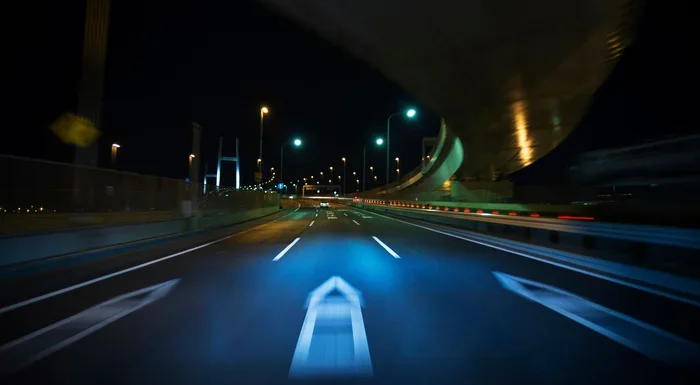
The best time to use high beams is on dark, rural roads with no streetlights. When you are driving through areas with little to no traffic, high beams give you the best view of the road ahead. They help you spot animals, debris, or road hazards much earlier than low beams would.
Highway driving at night is another good scenario. On empty highways with no oncoming traffic, high beams let you see farther down the road. This extra visibility gives you more reaction time if something appears in your path.
Weather conditions also play a role. In clear, dark conditions with no fog or rain, high beams work well. However, when visibility is reduced by precipitation or mist, high beams can actually make things worse by reflecting light back at you.
Driving on Unlit Rural Roads
Rural roads are where high beams shine the most. These roads often lack streetlights and have no competing light sources. When you are driving on a dark country road, switching to high beams is a smart move.
Just remember to check your mirrors frequently. If you see a car behind you or coming toward you, switch back to low beams promptly. This simple habit keeps you safe and respectful of other drivers.
Driving on Open Highways at Night
Open highways with light traffic are ideal for high beam use. The long stretches of road benefit from the extra illumination. You can spot curves, inclines, and potential hazards much sooner.
However, watch for oncoming traffic. Even on a busy highway, there are stretches where no cars are coming. Use those stretches to your advantage. But as soon as you see headlights in the distance, dim your lights.
When Passing Other Vehicles
Some drivers use high beams briefly when passing another vehicle on a dark road. This is generally acceptable and even helpful. It lets you see the road better during the pass. Just remember to switch back to low beams once you have completed the maneuver.
When Should You Switch to Low Beams?
Knowing when to dim your lights is just as important as knowing when to use high beams. Improper headlight use is one of the most common causes of nighttime glare complaints. Switching to low beams at the right time is a basic rule of headlight etiquette.
The first situation that calls for low beams is when you are approaching oncoming traffic. The glare from high beams can temporarily blind the other driver. Even a few seconds of blindness can cause a serious accident on a dark road.
The second situation is when you are following another vehicle. High beams reflecting off the rearview mirror of the car ahead can distract and annoy the driver in front of you. It is both unsafe and rude.
You should also switch to low beams in urban and suburban areas. City streets have plenty of ambient light from streetlights and buildings. High beams are unnecessary and disruptive in these settings. They can also reflect off wet roads and create a glare hazard.
Approaching Oncoming Traffic
This is the most critical time to switch to low beams. When you see headlights approaching from the opposite direction, dim your lights immediately. Most experts recommend switching when the oncoming vehicle is about 500 feet away.
If you forget and leave your high beams on, the other driver may flash their lights at you. This is a universal signal to dim your lights. Respond quickly and politely. It keeps everyone safe on the road.
Following Another Vehicle
When you are driving behind another car, keep your lights on low beam. The light from your high beams will bounce off the rear window and mirror of the vehicle ahead. This creates a bright glare that can distract the driver in front of you.
A good rule of thumb is to switch to low beams whenever you are within 200 feet of the vehicle ahead. This distance gives the driver enough space to not be affected by your headlights.
Driving in Fog, Rain, or Snow
Many drivers mistakenly use high beams in fog or heavy rain. The bright light reflects off water droplets and creates a wall of glare. This actually reduces your visibility instead of improving it.
Low beams are much better in these conditions. They aim downward and cut through the precipitation more effectively. Some drivers also use fog lights in addition to low beams for extra visibility in bad weather.
In Urban and Well-Lit Areas
City driving does not require high beams at all. Streetlights, building lights, and other ambient sources provide enough illumination. Using high beams in town is unnecessary and can bother pedestrians, cyclists, and other drivers.
Even on poorly lit city streets, low beams usually provide sufficient visibility. Save your high beams for the open road where they can truly do their job.
Common Mistakes People Make With High Beams
Even experienced drivers make mistakes with their headlights. These errors are often simple but can have serious consequences. Let us look at some of the most common headlight misuse problems.
The number one mistake is forgetting to switch back to low beams after passing or when traffic picks up. It happens to everyone. You are driving on a dark road with high beams, and then traffic increases. You get distracted and leave them on.
Another common error is using high beams in fog. As mentioned earlier, the light bounces back and makes visibility worse. Some drivers also leave high beams on in stop-and-go traffic, which is very disruptive to the drivers around them.
Improper headlight alignment is another hidden problem. Even if you use the correct beam, misaligned headlights can blind other drivers. If your headlights are pointed too high, they can cause glare even on low beam. Have your headlight alignment checked regularly.
Some drivers also upgrade their bulbs to excessively bright aftermarket options. While brighter bulbs might seem like a good idea, they can blind other drivers if not properly aimed. Always choose bulbs that meet DOT standards and have them installed correctly.
Forgetting to Dim for Oncoming Traffic
This is the most dangerous high beam mistake. When you forget to dim your lights for oncoming traffic, you create a momentary blindness for the other driver. In that split second, they may swerve, brake suddenly, or lose control of their vehicle.
To avoid this mistake, make it a habit to check your headlight setting every few minutes. Many modern vehicles have dashboard indicators that show when high beams are active. Use this as a reminder to switch when needed.
Leaving High Beams On in Traffic
Stop-and-go traffic is a common scenario where drivers forget to dim. In congested areas, you are close to the cars around you. High beams in this situation are not only illegal but also very dangerous.
If you are stuck in traffic at night, keep your lights on low beam. This protects the drivers around you and helps everyone maintain better visibility in the crowded conditions.
Over-Bright Aftermarket Bulbs
Some car enthusiasts install ultra-bright bulbs to improve visibility. While the intent is good, these bulbs can be blinding to other drivers if not properly aimed. The color temperature and brightness of aftermarket bulbs also matter.
Stick with bulbs that are DOT-approved and match your vehicle specifications. If you do upgrade, have a professional check the alignment to ensure you are not creating a hazard for others on the road.
Modern Headlight Technology and Automatic High Beams
Car manufacturers have made great strides in headlight technology over the years. One of the most helpful innovations is the automatic high beam system. These systems use sensors to detect other vehicles and adjust your beam setting automatically.
With automatic high beams, you do not have to worry about forgetting to dim your lights. The system handles it for you. When there is no oncoming traffic or vehicle ahead, the high beams stay on. When a car appears, the system switches to low beams automatically.
This technology is a game-changer for nighttime driving safety. It removes the guesswork and human error from the equation. Many new vehicles from brands like Toyota, Honda, Ford, and BMW now offer this feature as standard or optional equipment.
How Automatic High Beam Systems Work
These systems use a camera or sensor mounted near the rearview mirror. The camera looks for the headlights of oncoming vehicles and the taillights of vehicles ahead. When it detects light from another vehicle, it signals the headlight module to switch to low beams.
The process happens in milliseconds. You barely notice the transition. This means you get the benefits of high beams for most of your drive, with automatic dimming when it matters most.
Adaptive Headlights and LED Technology
Beyond automatic high beams, modern vehicles also feature adaptive headlights. These systems swivel the headlights to follow the curve of the road. They improve visibility on bends and turns, making night driving even safer.
LED and matrix LED headlights are also becoming more common. These technologies allow individual segments of the headlight to turn on or off. This means the light can avoid illuminating oncoming traffic while still lighting up the rest of the road.
While these technologies are impressive, they do not replace good driving habits. Even with the most advanced headlight system, you still need to understand basic headlight etiquette. Technology is a tool, not a replacement for awareness and responsibility.
What to Look for When Buying a Vehicle
If you are shopping for a new car, consider the headlight technology it offers. Automatic high beams are a great feature to look for. Adaptive headlights are a nice bonus, especially if you do a lot of night driving on winding roads.
Check the headlight ratings from organizations like the Insurance Institute for Highway Safety (IIHS). Their ratings can help you compare the visibility and safety performance of different vehicles. A car with excellent headlights can make a big difference in your nighttime confidence.
Tips for Proper Headlight Use and Road Safety
Using your headlights correctly is one of the simplest ways to improve road safety. Here are some practical tips to keep in mind every time you get behind the wheel.
First, make it a habit to check your headlight setting before you start driving. This takes just a second and can save you from accidentally driving with high beams on in the wrong situation. A quick glance at your dashboard indicator is all it takes.
Second, keep your headlights clean and properly aimed. Dirty or misaligned headlights reduce visibility and can blind other drivers. A quick wipe-down and occasional alignment check go a long way.
Third, use your headlights whenever visibility is poor. This includes not just nighttime but also dawn, dusk, and during bad weather. Many states require headlights to be on when windshield wipers are in use. Following this rule improves your visibility and makes your vehicle more visible to others.
Fourth, be courteous to other drivers. If someone flashes their lights at you, take it as a friendly reminder to check your beam setting. A quick dimming shows respect and helps maintain a safe driving environment for everyone.
Finally, stay informed about your vehicle’s headlight features. Read the owner manual and understand how your specific system works. Whether you have manual or automatic headlights, knowing your system helps you use it correctly and safely.
Conclusion
Can you drive with your high beams on all the time? The answer is clearly no. Using high beams constantly is unsafe, illegal in most places, and disrespectful to other drivers on the road. High beam headlights are a powerful tool when used correctly, but they must be paired with good judgment and proper timing.
Understanding the difference between low beams and high beams is the first step. Knowing when to use each setting is the next. Always switch to low beams when approaching oncoming traffic, following another vehicle, or driving in urban areas and bad weather.
Modern technology like automatic high beams and adaptive headlights makes this easier than ever. But even with the best technology, driver awareness remains the most important factor. Take a moment to check your headlight setting frequently and stay mindful of the drivers around you.
Proper headlight etiquette is not just about following the law. It is about keeping everyone safe on the road. When you use your headlights correctly, you contribute to a safer, more courteous driving environment for all. Make it a habit, and you will be a better, more responsible driver for it.
Frequently Asked Questions
Is it illegal to drive with high beams on all the time?
Yes, in most states and countries it is illegal to drive with high beams on when there is oncoming traffic or when you are following another vehicle. Headlight regulations require drivers to dim their lights to avoid blinding other road users.
How far ahead do high beams illuminate the road?
High beams typically illuminate the road 300 to 400 feet ahead, compared to about 150 to 200 feet for low beams. This extra range is helpful on dark rural roads and open highways with no traffic nearby.
What should I do if someone drives with their high beams on?
If someone drives with their high beams on, look toward the right side of the road and use the lane markings as a guide to avoid the glare. You can also flash your headlights briefly to remind them to dim their lights.
Can automatic high beams replace manual headlight switching?
Automatic high beam systems handle most of the switching for you, but they are not perfect. Sensors can sometimes be fooled by bright streetlights or reflective signs. It is still a good idea to manually check and adjust your beams when needed.
Are aftermarket high-intensity bulbs worth installing?
Aftermarket bulbs can improve visibility, but only if they are properly aimed and DOT-compliant. Bulbs that are too bright or poorly installed can blind other drivers and may not be street legal. Always consult a professional before upgrading your headlights.
When is the best time to use high beams on the highway?
The best time to use high beams on the highway is at night when there is no oncoming traffic and you are not closely following another vehicle. On open, dark stretches of highway, high beams give you the best visibility and reaction time.