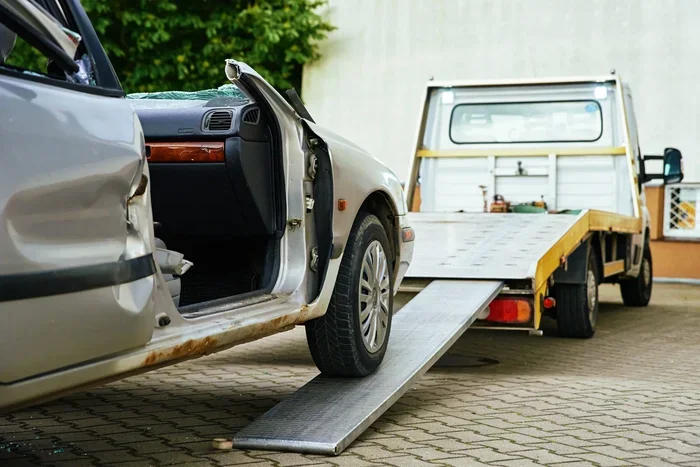
Can I Get My Car Back After Repossession And Keep It
Can I Get My Car Back After Repossession? Yes, you have legal options to recover your repossessed vehicle in most states. You can redeem your car by paying the full loan balance plus fees, reinstate the loan, or negotiate a settlement with your lender. Acting quickly and understanding your rights gives you the best chance to get your car back and keep it on the road.
Losing your car to repossession is one of the most stressful experiences you can face. You wake up one morning and your vehicle is gone. The ride to work is suddenly a problem. The kids need a ride to school. Everything revolves around that car. And now it is just gone.
If you are reading this, you are probably asking one question over and over again. Can I get my car back after repossession and keep it? The short answer is yes. In most cases, you do have options to recover your repossessed vehicle. But the path back is not always simple. There are deadlines, fees, and legal steps you need to know about. This guide walks you through everything you need to understand about getting your car back after repossession.
We will cover how the repossession process works. We will look at your legal rights. We will explore every option you have to get your car back. And we will talk about what happens if you cannot recover the vehicle. Whether you are days away from the auction or weeks into the process, this article has the answers you need.
Key Takeaways
- You have a legal right to recover your car: Most states offer a redemption period after repossession where you can get your vehicle back.
- Paying the full balance is the fastest way: Redemption means paying the remaining loan amount plus repossession fees and storage costs.
- Reinstating the loan is another option: You can catch up on missed payments and fees to bring the loan current and keep the car.
- Negotiation works more often than you think: Many lenders will work with you on a payment plan or settlement to avoid selling the car at auction.
- Your credit score takes a hit: Repossession stays on your credit report for up to seven years and lowers your score significantly.
- Act fast: The redemption window is short, usually 30 to 90 days, so timing matters a lot.
- Voluntary surrender is better than forced repossession: If you know you cannot pay, surrendering the car yourself may reduce fees and credit damage.
📑 Table of Contents
How Car Repossession Works
Before you can get your car back, you need to understand how repossession actually happens. Most people do not realize that repossession does not require a court order in many states. Your lender can take your vehicle without warning if you default on your auto loan.
What Triggers a Repossession?
Repossession usually starts when you miss payments. Most auto loan agreements give you a grace period of about 10 to 15 days. If you miss a payment and do not pay within that window, you are considered in default. Some lenders may repossess after just one missed payment. Others give you more time. It depends on your lender and your loan terms.
Common triggers for repossession include:
- Missing two or more consecutive payments
- Failing to maintain auto insurance
- Violating the loan agreement in other ways
- Not paying property taxes on the vehicle
- Voluntary surrender of the vehicle
When a lender decides to repossess, they typically hire a third-party repossession company. These companies use various methods to locate your vehicle. They may check your GPS if your car has tracking features. They may follow you or watch your home. Once they find the car, they can tow it away. In most states, they cannot use force or threaten you. But they can take the vehicle from your driveway, workplace, or public property.
What Happens Right After Repossession?
After the repossession, your lender must send you a notice. This notice is called a “right to cure” letter in many states. It tells you how much you owe to get the car back. The amount usually includes the full remaining loan balance plus repossession fees and storage charges. You also get a timeline. This is called the redemption period. It varies by state but typically lasts between 20 and 60 days.
During this time, your car sits in a storage facility. You are charged daily for its keep. If you do not act within the redemption window, the lender will sell the car at auction. Once the car is sold, getting it back becomes much harder.
Your Rights After Repossession
You have more rights than most people realize. The law protects consumers from unfair repossession practices. Understanding these rights is your first step toward getting your car back.
Right to Receive Proper Notice
Your lender must notify you in writing after the repossession. This notice must include the total amount you owe to redeem the vehicle. It must also tell you the deadline to act. If your lender fails to send proper notice, you may have additional legal options. In some cases, improper notice can delay the sale of your car. This gives you more time to find a solution.
Right to Redeem the Vehicle
Redemption is your right to get the car back by paying the full amount owed. This is the most straightforward way to recover your vehicle. You pay the remaining loan balance plus all fees and costs. Once you pay, the lender must return your car to you.
Here is what redemption typically involves:
- Paying off the entire remaining loan balance
- Covering repossession and storage fees
- Paying any late fees or penalties
- Covering towing and auction preparation costs
Redemption gives you full ownership back. It also stops the lender from selling the car at auction. This is the cleanest path to getting your vehicle back and keeping it.
Right to Be Treated Fairly
Lenders must follow specific rules during the repossession process. They cannot breach the peace. This means they cannot use physical force or threaten you. They cannot enter a locked garage without permission. They cannot take personal belongings from the car. If your lender violates these rules, you may have grounds for a legal complaint.
Ways to Get Your Car Back After Repossession
There are several paths you can take to recover your repossessed vehicle. Each option has different costs and timelines. Let us look at them one by one so you can decide which works best for your situation.
Option 1: Full Redemption
Full redemption means paying the entire remaining balance plus all fees. This is the fastest and most reliable way to get your car back. If you have the money or can borrow it from family or a personal loan, this is your best bet.
Here is a simple example to illustrate how this works. Say you owe $10,000 on your auto loan. Your car gets repossessed. The lender charges $500 in repossession fees and $200 in storage costs. To redeem the car, you would need to pay $10,700 in total. Once you pay that amount, the lender returns your vehicle to you.
Full redemption is ideal if you have access to funds. It lets you keep the car and continue your payment history. It also avoids the complications of an auction sale.
Option 2: Loan Reinstatement
Loan reinstatement means catching up on missed payments and fees to bring the loan current. Not all states allow reinstatement, but many do. This option lets you resume your original payment plan instead of paying everything at once.
With reinstatement, you pay the overdue amounts plus any late fees and repossession costs. Then you continue making regular monthly payments as originally agreed. This is a great option if you had a temporary financial setback but expect your income to stabilize soon.
Some lenders may also agree to a modified reinstatement plan. This means they let you spread the missed payments over several months instead of paying them all at once. It is always worth asking.
Option 3: Negotiating a Settlement
Negotiation is an often overlooked option. Many people do not realize that lenders would rather work with you than go through the hassle of selling your car at auction. Auctions often bring in less money than the remaining loan balance. This leaves the lender with a loss. So they have an incentive to find a middle ground.
When negotiating with your lender, consider these tips:
- Contact them immediately after you learn about the repossession
- Be honest about your financial situation
- Propose a realistic payment plan
- Ask for fee reductions or waivers
- Get any agreement in writing
A successful negotiation can save you thousands of dollars. It can also help you keep your car without paying the full balance upfront. The key is to act quickly and show your lender you are serious about resolving the debt.
Option 4: Buying the Car Back at Auction
If the redemption period has passed and the lender sells the car at auction, you may still have a chance. You can attend the auction and bid on your own vehicle. This is risky because you do not know what the final sale price will be. It could be higher or lower than what you owe.
If you win the bid, you will need to pay the auction price plus any fees. But there is a catch. If the auction price is lower than your loan balance, you still owe the difference. This is called a deficiency balance. You will need to pay that too, or the lender can pursue you for the remaining amount.
What Happens If You Cannot Get Your Car Back?
Sometimes, getting the car back is simply not possible. Maybe you do not have the money. Maybe the redemption period has expired. Maybe the lender has already sold the vehicle. In these situations, you still have rights and options.
Understanding the Deficiency Balance
A deficiency balance is the amount you still owe after the lender sells your repossessed car. If your loan balance was $10,000 and the car sells at auction for $6,000, you owe a $4,000 deficiency. The lender can try to collect this balance from you through phone calls, letters, or even legal action.
You have the right to dispute the deficiency amount. If the auction price was unfairly low, you can challenge it. Lenders must sell the vehicle in a commercially reasonable manner. This means they cannot sell it for a price far below market value just to hurt you.
Dealing with Credit Damage
Repossession has a serious impact on your credit score. It can drop your score by 50 to 150 points or more. The repossession account stays on your credit report for up to seven years from the date of the first missed payment that led to the default.
To minimize the damage, focus on these steps:
- Pay all your remaining debts on time
- Keep your credit utilization low
- Do not open new credit accounts unnecessarily
- Check your credit report for errors
- Dispute any inaccurate information
Over time, the impact of repossession fades. Responsible financial behavior will gradually rebuild your credit. It takes patience, but it is absolutely possible.
When to Seek Legal Help
If you believe your lender violated your rights during the repossession, consider consulting a consumer protection attorney. Many attorneys offer free initial consultations. They can review your case and advise you on your options. In some cases, improper repossession can lead to the lender dropping their claim to the vehicle.
Legal help is especially important if:
- The lender took your car from a private property without permission
- You did not receive proper notice
- The lender used threats or force
- The car was sold at an unfairly low price
How to Prevent Repossession in the Future
Once you have dealt with a repossession, you want to make sure it never happens again. Prevention is always better than recovery. Here are practical steps you can take to protect yourself.
Communicate With Your Lender Early
The single most important thing you can do is talk to your lender before you miss a payment. Most lenders would rather work with you than repossess your car. Call them as soon as you know you will be late. Explain your situation. Ask about hardship programs, payment extensions, or loan modifications. Many lenders have programs designed specifically for borrowers facing temporary financial difficulties.
Build an Emergency Fund
An emergency fund is your best defense against financial surprises. Even a small savings cushion can keep you from defaulting on your auto loan. Aim to save at least one month of car payments in a separate account. Over time, try to build up three to six months of expenses. This safety net gives you breathing room when unexpected costs arise.
Consider Refinancing Your Auto Loan
If your current loan terms are too tight, refinancing might help. A new loan with a lower monthly payment or a longer repayment term can ease your monthly budget. Shop around for the best rates. Compare offers from multiple lenders before you commit. Just be careful not to extend the loan term too much, as this can increase the total interest you pay over time.
Review Your Loan Terms Regularly
Knowledge is power. Know exactly what your loan terms are. Understand your interest rate, your monthly payment, and your total remaining balance. Review your statements every month. Catch any errors or unusual charges early. The more you know about your loan, the less likely you are to be caught off guard.
Expert Insights on Car Repossession Recovery
We spoke with financial advisors and consumer rights attorneys to get their top tips for people trying to recover a repossessed vehicle. Here is what the experts had to say.
Act within the first week. Time is your biggest enemy after repossession. The longer you wait, the fewer options you have. Contact your lender immediately and ask about your redemption rights. Every day counts.
Get everything in writing. Whether you are negotiating a settlement, requesting a payment plan, or confirming a redemption amount, make sure you have written documentation. Verbal agreements are hard to enforce. A written agreement protects you and holds the lender accountable.
Do not ignore the problem. Many people avoid opening letters or answering calls from their lender. This is a mistake. Ignoring the situation only makes it worse. The lender will move forward with the auction, and you will lose your car for good. Staying engaged gives you leverage and options.
Know your state laws. Repossession laws vary significantly from state to state. Some states offer generous redemption periods. Others have strict timelines. Understanding your local laws can make a big difference in your strategy. A quick search for your state’s repossession laws or a call to a legal aid organization can provide valuable guidance.
Key Takeaways
- You can get your car back after repossession: Most states give you a legal right to redeem your vehicle by paying the full loan balance plus fees.
- Act quickly: The redemption period is short, typically 20 to 60 days. The faster you act, the better your chances.
- Negotiation is a powerful tool: Lenders often prefer to work with you rather than sell your car at a loss at auction.
- Full redemption is the cleanest path: Paying off the entire balance gives you immediate ownership and avoids complications.
- Reinstatement lets you resume normal payments: If available in your state, catching up on missed payments can bring your loan current.
- Your credit will recover over time: Repossession hurts your credit score, but responsible financial habits will rebuild it gradually.
- Know your rights: Lenders must follow fair procedures. Violations of your rights can strengthen your position.
Conclusion
So, can I get my car back after repossession and keep it? The answer is yes, you can. You have legal rights, practical options, and the power to take action. Whether you choose full redemption, loan reinstatement, or negotiation with your lender, the key is to move quickly and stay informed.
Getting your car back after repossession is not easy. It requires money, effort, and determination. But thousands of people do it every year. They recover their vehicles and move forward with their lives. You can do the same.
Start by reviewing your loan documents and understanding your rights. Contact your lender as soon as possible. Explore every option before the redemption period expires. And if you feel overwhelmed, seek help from a consumer protection organization or a qualified attorney. You are not alone in this process, and there is a path forward.
The road to recovering your car starts with a single step. Take that step today. Your vehicle and your financial future are worth fighting for.
Frequently Asked Questions
How long do I have to get my car back after repossession?
The redemption period varies by state, typically ranging from 20 to 60 days. Some states give you as little as 15 days, while others allow up to 90 days. Check your state’s specific laws or contact your lender to find out your exact deadline. Acting quickly is essential because once the car is sold at auction, recovering it becomes much more difficult.
Can I get my car back after repossession if I have bad credit?
Yes, your credit score does not prevent you from redeeming your vehicle. Repayment is based on what you owe, not your credit history. However, bad credit can make it harder to get a new auto loan in the future. Focus on paying off the deficiency balance and rebuilding your credit over time through consistent on-time payments on all your accounts.
What is the difference between voluntary surrender and forced repossession?
Voluntary surrender means you return the car to the lender yourself before they take it. Forced repossession happens when the lender sends a repossession company to take the vehicle. Voluntary surrender is generally better because it may reduce some fees and shows good faith. It can also be slightly less damaging to your credit score, though both options have a significant negative impact.
How much does it cost to get my car back after repossession?
The cost depends on your remaining loan balance plus repossession fees, storage charges, and any late fees or penalties. These costs can add up quickly, sometimes totaling thousands of dollars more than your original loan balance. Request a detailed breakdown from your lender so you know exactly what you need to pay to redeem the vehicle.
What happens if the car sells for less than I owe at auction?
If the auction price is lower than your loan balance, you will owe a deficiency balance. For example, if you owe $8,000 and the car sells for $5,000, you still owe $3,000. The lender can pursue you for this amount through collection calls, letters, or legal action. You have the right to dispute the deficiency if the sale was not conducted in a commercially reasonable manner.
Can a repossession company take my car from my driveway?
In most states, a repossession company can take your car from your driveway without a court order, as long as they do not breach the peace. This means they cannot use force, threats, or enter a locked garage. They also cannot take personal belongings left in the car. If a repossession agent violates these rules, you may have legal grounds to challenge the repossession.