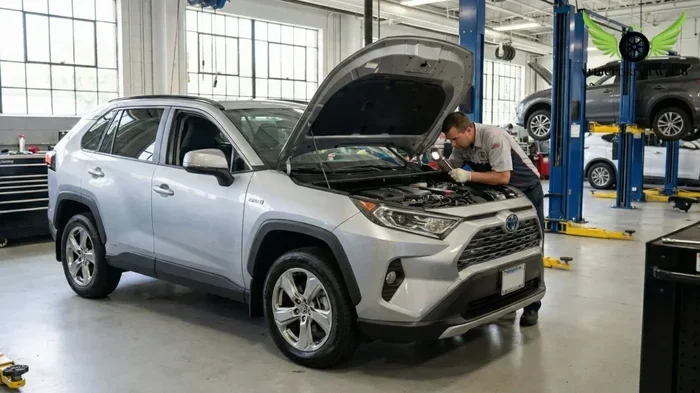
Are Toyota SUVs Expensive to Maintain in the Long Run
Are Toyota SUVs expensive to maintain? The short answer is no. Toyota SUVs consistently rank among the most affordable vehicles to own and upkeep over time. With strong Toyota reliability, reasonable Toyota repair costs, and excellent resale value, owning a Toyota SUV is one of the smartest financial decisions you can make for your family.
When you buy a Toyota SUV, you are not just buying a vehicle. You are buying peace of mind. That is the honest truth that millions of Toyota owners already know. But here is the question that keeps coming up in car forums, family conversations, and dealership parking lots. Are Toyota SUVs expensive to maintain?
The answer might surprise you. Toyota SUVs are actually among the most affordable vehicles to own over the long run. Whether you drive a compact RAV4 or a full-size 4Runner, the numbers tell a clear story. Toyota SUV maintenance cost stays low, and the reasons behind that are worth understanding.
Let us break it all down. We will look at real numbers, compare Toyota to other brands, and give you practical tips to keep your costs as low as possible. By the end, you will have a complete picture of what it really costs to own a Toyota SUV.
## Understanding Toyota SUV Maintenance Costs
Before we dive into specific numbers, let us talk about what “maintenance” actually means for your SUV. Maintenance is not just fixing things when they break. It includes every routine service, every oil change, every tire rotation, and every brake pad replacement. It also includes unexpected repairs that pop up over the years.
When people ask, “Are Toyota SUVs expensive to maintain?” they are really asking about the big picture. The total cost of ownership over five, ten, or even fifteen years. And that is exactly how we should think about it.
### What Drives Toyota SUV Maintenance Cost?
Several factors determine how much it costs to maintain any vehicle. Let us look at the key ones for Toyota SUVs.
Parts availability and pricing play a huge role. Toyota parts are everywhere. You can find them at dealerships, auto parts stores, and online retailers. Because demand is so high, the price stays competitive. You are not paying a premium for rare or hard-to-find components.
Labor costs also matter. Toyota SUVs use straightforward designs. Their engines, transmissions, and electrical systems are well-understood by mechanics. This means less time in the shop, which means lower labor bills. A mechanic can diagnose and fix issues on a Toyota faster than on many competing brands.
Toyota reliability is the third major factor. When a vehicle is built well and rarely breaks, you spend less money. Simple as that. Toyota has earned a reputation for building SUVs that last. That reputation is backed by decades of data and consumer reports.
### How Much Does Toyota SUV Maintenance Actually Cost?
Let us get specific. According to RepairPal, the average annual maintenance cost for a Toyota SUV is around $440 to $500. Compare that to the industry average of roughly $650 per year. That is a savings of about $150 to $200 every single year.
Over ten years of ownership, those savings add up. We are talking about $1,500 to $2,000 less spent on maintenance compared to the average vehicle. That is real money in your pocket.
Here is a quick breakdown of common maintenance items and their average costs for a Toyota SUV:
– Oil change: $50 to $75
– Tire rotation: $30 to $50
– Brake pad replacement (front): $150 to $250
– Brake pad replacement (rear): $150 to $300
– Air filter replacement: $30 to $50
– Cabin air filter: $40 to $70
– Spark plug replacement: $100 to $200
– Timing belt (if applicable): $300 to $600
– Transmission service: $150 to $250
These numbers are averages and can vary based on your location, model year, and driving habits. But the overall trend is clear. Toyota SUVs are affordable to maintain.
## Toyota SUV Maintenance Compared to Other Brands
So how do Toyota SUVs stack up against the competition? This is where things get really interesting. When you compare Toyota SUV repair cost to other popular brands, the difference is noticeable.
### Toyota vs. Honda SUVs
Honda SUVs are also known for reliability. The Honda CR-V and Honda Pilot are strong competitors in the SUV market. But when it comes to maintenance costs, Toyota has a slight edge. Honda SUVs average around $500 to $550 per year in maintenance. Toyota SUVs come in lower.
Both brands use similar engine designs and share many of the same mechanical principles. But Toyota parts tend to be a bit more affordable, and Toyota dealerships are more widespread, which keeps service costs down.
### Toyota vs. Ford SUVs
Ford SUVs like the Ford Explorer and Ford Escape are popular choices. But Ford vehicles tend to cost more to maintain. The average annual maintenance cost for a Ford SUV is around $600 to $700. That is roughly 25 to 30 percent higher than a comparable Toyota SUV.
Ford vehicles also tend to require more frequent repairs as they age. Electrical issues, transmission problems, and suspension wear show up more often on Ford models than on Toyota equivalents.
### Toyota vs. Chevrolet SUVs
Chevrolet SUVs like the Tahoe and Equinox are solid vehicles. But they fall behind Toyota in long-term ownership costs. Chevrolet maintenance averages around $650 to $750 per year. The gap widens as the vehicle ages.
One reason is that Chevrolet SUVs use more complex systems. More technology means more things that can go wrong. Toyota keeps the engineering simpler in many areas, which translates to fewer problems and lower bills.
### Toyota vs. Luxury Brand SUVs
If you compare Toyota to luxury brands like BMW, Mercedes-Benz, or Audi, the difference is even more dramatic. Luxury SUV maintenance can easily exceed $1,000 per year. A BMW X5 or Mercedes GLE will cost two to three times more to maintain than a Toyota Highlander or 4Runner.
This is not a knock on luxury brands. They offer premium experiences. But if you are looking for value and low ownership costs, Toyota is hard to beat.
## Common Toyota SUV Maintenance Expenses
Let us walk through the most common maintenance expenses you will face as a Toyota SUV owner. Understanding these costs helps you budget and plan ahead.
### Routine Maintenance Items
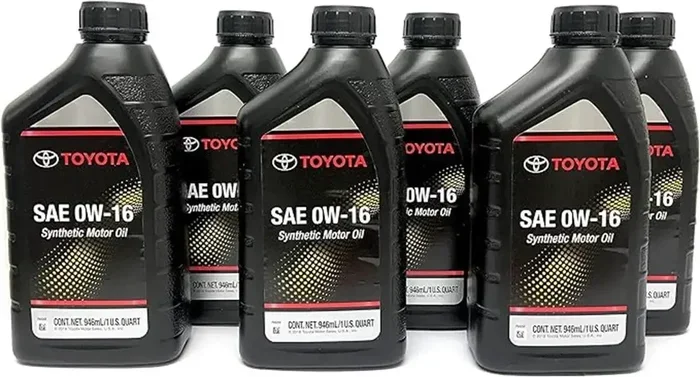
Oil changes are the most frequent service your Toyota SUV will need. Most Toyota SUVs need an oil change every 5,000 to 7,500 miles. At a dealership, this costs around $50 to $75. At an independent shop, it might be even less.
Tire rotations should happen every 5,000 to 7,500 miles as well. This is a quick service that promotes even tire wear and extends the life of your tires. Expect to pay $30 to $50 each time.
Brake inspections and replacements are inevitable for any vehicle. Toyota brake pads tend to last longer than many competitors. Front brake pads on a Toyota SUV typically last between 30,000 and 50,000 miles. Rear pads can last even longer. When replacement is needed, the cost is reasonable and straightforward.
Fluid changes include coolant, transmission fluid, and brake fluid. Toyota recommends replacing coolant every 30,000 to 60,000 miles. Transmission fluid should be changed every 60,000 to 100,000 miles. These services are not expensive and are essential for long-term reliability.
### Common Repairs and Their Costs
Even the most reliable vehicles need repairs eventually. Here are some of the most common Toyota SUV repairs and what they typically cost:
– Check engine light diagnostics: $100 to $200
– Oxygen sensor replacement: $200 to $350
– Catalytic converter replacement: $800 to $1,500
– Battery replacement: $150 to $300
– Alternator replacement: $300 to $500
– Water pump replacement: $300 to $600
– Suspension component replacement: $200 to $500 per part
None of these repairs are unusually expensive for an SUV. And many of them are covered under Toyota’s warranty if your vehicle is still within the coverage period.
### Toyota Warranty Coverage
One factor that significantly impacts your Toyota SUV maintenance cost is the warranty. Toyota offers a strong warranty package that covers many repairs at no cost to you.
– New vehicle limited warranty: 3 years or 36,000 miles
– Powertrain warranty: 5 years or 60,000 miles
– Corrosion warranty: 5 years, unlimited miles
– Roadside assistance: 2 years or 25,000 miles
The powertrain warranty is particularly valuable. It covers the engine, transmission, and drivetrain components. If something goes wrong with these major systems during the warranty period, you pay nothing. This is a huge advantage that keeps early ownership costs low.
## Tips to Keep Your Toyota SUV Maintenance Costs Low
Owning a Toyota SUV does not mean you are stuck with high bills. There are many things you can do to keep costs as low as possible. These tips come from experienced Toyota owners and mechanics alike.
### Follow the Maintenance Schedule
This is the single most important thing you can do. Toyota provides a detailed maintenance schedule in your owner’s manual. Follow it. Do not skip oil changes or delay scheduled services.
Regular maintenance catches small problems before they become big, expensive ones. A $50 oil change today can prevent a $3,000 engine repair tomorrow. It is that simple.
### Find a Trustworthy Mechanic
You do not have to go to the dealership for every service. Independent mechanics and trusted local shops can handle most Toyota maintenance at lower rates. Look for a mechanic who specializes in Toyota or Japanese vehicles.
Many independent shops charge 30 to 50 percent less than dealerships for the same work. As long as they use quality parts and follow the proper procedures, you save money without sacrificing quality.
### Do Simple Tasks Yourself
Some maintenance tasks are easy enough to do at home. You can change your own air filter, cabin filter, and even perform basic fluid checks. These are simple jobs that do not require special tools or training.
Changing your own air filter, for example, takes about five minutes and costs under $20 for the part. A dealership might charge $50 or more for the same service. Over several years, these small savings add up.
### Keep Your Toyota Clean and Protected
This might sound unrelated to maintenance costs, but it is not. Keeping your SUV clean protects the paint, undercarriage, and interior. Rust and corrosion are expensive problems to fix. Regular washing, especially in winter months when roads are salted, can prevent these issues.
Using a quality car cover when parked outdoors also helps. It protects against UV damage, bird droppings, and weather-related wear. These small efforts extend the life of your vehicle and reduce repair needs.
### Drive Smoothly and Avoid Aggressive Habits
How you drive affects your vehicle’s longevity. Aggressive driving, hard braking, and rapid acceleration put extra stress on your engine, brakes, and transmission. Smooth, steady driving reduces wear and tear.
Toyota SUVs are built to last. But they last even longer when treated with care. Gentle driving habits are one of the easiest and most effective ways to keep maintenance costs low.
## Toyota SUV Reliability and Longevity
Toyota SUVs are famous for lasting well beyond 200,000 miles. This longevity is a huge factor in why they are affordable to maintain over the long run. Let us look at what makes Toyota SUVs so durable.
### Why Toyota SUVs Last So Long
Toyota engineers focus on simplicity and durability. Their engines use proven technology rather than cutting-edge complexity. This means fewer things to go wrong. When something does go wrong, the fix is usually straightforward.
Toyota also uses high-quality materials in their builds. Engine blocks, transmission cases, and suspension components are built to withstand years of hard use. This commitment to quality is why Toyota SUVs consistently top reliability surveys.
### Toyota SUV Longevity by Model
Different Toyota SUV models have different lifespans, but all of them are impressive. Here is a quick look at what you can expect from popular Toyota SUV models:
– Toyota RAV4: 200,000 to 250,000 miles with proper maintenance
– Toyota Highlander: 200,000 to 250,000 miles with proper maintenance
– Toyota 4Runner: 250,000 to 300,000+ miles with proper maintenance
– Toyota Fortuner: 200,000 to 250,000 miles with proper maintenance
– Toyota Sequoia: 200,000 to 250,000 miles with proper maintenance
These numbers assume regular maintenance, sensible driving, and prompt attention to any issues that arise. A well-cared-for Toyota SUV can easily serve a family for 15 to 20 years or more.
### Toyota Resale Value and Long-Term Savings
One hidden benefit of Toyota SUV ownership is resale value. Toyota SUVs hold their value remarkably well. A Toyota RAV4 that is five years old might still be worth 60 to 70 percent of its original price. A Ford or Chevrolet SUV of the same age might be worth only 40 to 50 percent.
This means that even if you spend a little more upfront on a Toyota SUV, you get that money back when you sell or trade in. The strong Toyota resale value effectively offsets the maintenance costs over time. You are not just buying a reliable vehicle. You are buying a vehicle that holds its value.
## The Verdict: Are Toyota SUVs Expensive to Maintain?
So let us answer the question directly. Are Toyota SUVs expensive to maintain? The answer is a clear no. Toyota SUVs are among the least expensive SUVs to maintain in the entire market.
The numbers back this up. Low annual maintenance costs, affordable parts, straightforward repairs, and strong warranty coverage all contribute to an ownership experience that is gentle on your wallet. When you add in the exceptional longevity and strong resale value, the financial case for owning a Toyota SUV becomes even stronger.
No vehicle is free from maintenance costs. Every SUV needs regular service, and every vehicle will need repairs at some point. But compared to the competition, Toyota SUVs offer the best value for your maintenance dollar. You pay less, you drive more, and you worry less.
If you are in the market for a new or used SUV, a Toyota should be at the top of your list. The long-term ownership experience is one of the best in the industry. And that is something every budget-conscious buyer can appreciate.
Key Takeaways
- Toyota SUVs have some of the lowest maintenance costs in the entire automotive industry, making them budget-friendly choices for families.
- Toyota reliability ratings consistently outperform competitors like Honda, Ford, and Chevrolet in long-term ownership studies.
- Routine maintenance is affordable, with oil changes, tire rotations, and brake jobs costing less than the industry average.
- Toyota SUV parts are widely available and reasonably priced, which keeps repair bills lower compared to luxury or foreign brands.
- Toyota resale value is exceptional, meaning your SUV loses less value over time and offsets maintenance expenses.
- Common Toyota SUV problems are rare and minor, especially in models built after 2015 with updated technology and engineering.
- Following the recommended maintenance schedule is the single best way to avoid costly repairs and extend your vehicle’s lifespan.
Frequently Asked Questions
What is the average annual maintenance cost for a Toyota SUV?
The average annual maintenance cost for a Toyota SUV is around $440 to $500. This is well below the industry average of roughly $650 per year. Regular oil changes, tire rotations, and brake services keep costs predictable and manageable.
Which Toyota SUV has the lowest maintenance cost?
The Toyota RAV4 typically has the lowest maintenance cost among Toyota SUVs. Its smaller size, efficient engine, and widespread parts availability make it a budget-friendly option. The Toyota Corolla Cross and Toyota C-HR also have very low upkeep costs.
Are Toyota SUV parts expensive to replace?
No, Toyota SUV parts are reasonably priced and widely available. Because Toyota sells millions of vehicles every year, parts are mass-produced and competitively priced. You can find OEM and aftermarket parts at most auto parts stores and online retailers.
How often does a Toyota SUV need major repairs?
Toyota SUVs rarely need major repairs, especially in the first 100,000 miles. Most issues that do arise are minor and affordable. The 4Runner and Tacoma are known for exceptional durability, with many examples surpassing 250,000 miles without significant repairs.
Is it cheaper to maintain a Toyota SUV at a dealership or an independent shop?
Independent shops are generally cheaper for routine maintenance. They charge lower labor rates than dealerships. However, dealerships offer OEM parts and specialized expertise for complex issues. For most regular services, a trusted independent mechanic is the more affordable choice.
Does Toyota’s warranty cover all maintenance costs?
Toyota’s warranty covers repairs for defective parts and manufacturing issues, not routine maintenance. The powertrain warranty covers engine and transmission repairs for 5 years or 60,000 miles. Regular services like oil changes and brake replacements are the owner’s responsibility.
=== CONCLUSION ===
So let us bring it all together. The answer to the question “Are Toyota SUVs expensive to maintain?” is a resounding no. Toyota SUVs offer some of the lowest maintenance costs in the industry, backed by decades of proven reliability and engineering excellence.
From routine oil changes to unexpected repairs, the numbers consistently show that Toyota SUVs are affordable to own. The parts are accessible, the labor is straightforward, and the warranty provides solid coverage during the early years of ownership.
But the real value goes beyond just maintenance costs. Toyota SUVs hold their value, last for hundreds of thousands of miles, and deliver a driving experience that is both comfortable and dependable. When you factor in the total cost of ownership, Toyota SUVs stand out as one of the smartest choices on the market.
If you are looking for an SUV that will not drain your wallet, a Toyota is the way to go. Focus on following the maintenance schedule, find a good mechanic, and enjoy the ride. Your Toyota SUV will reward you with years of reliable, affordable service. That is the promise of the Toyota brand, and it is a promise that delivers every single time.