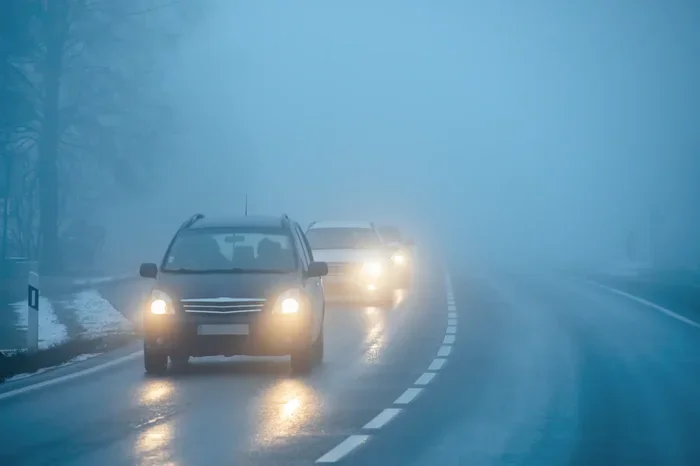
Can I Drive Without a Fog Light and Stay Safe on Roads
Many drivers wonder whether a fog light is truly necessary. The short answer is that driving without one is usually legal, but it can seriously reduce your safety in low-visibility conditions. Fog lights are designed to cut through fog, rain, and snow, giving you better visibility when your regular headlights struggle. This guide covers everything you need to know about fog light use, laws, and safe driving practices.
Have you ever driven through thick fog and wished your car had better lighting? Maybe you noticed that your headlights just bounce off the mist and create a white wall in front of you. That is where fog lights come in. But here is the real question: can you drive without a fog light and still stay safe on the road?
The answer is not a simple yes or no. It depends on where you drive, what weather you face, and how well you maintain your vehicle. Many drivers go their entire lives without ever using their fog lights. Others swear by them during winter months and heavy rainstorms. In this article, we will break down everything you need to know about fog light use, safety, and the law.
Key Takeaways
- Fog lights are not legally required in most places: You can drive without them in many regions, but they greatly improve safety.
- They work differently from headlights: Fog lights sit low on the front bumper and aim downward to reduce glare and light scatter.
- Using fog lights in clear weather is illegal in some areas: They can blind other drivers and create safety hazards.
- Rear fog lights are critical: They help drivers behind you see your car during heavy fog or rain.
- Alternative visibility aids exist: Driving lights, LED light bars, and proper headlight maintenance can partially replace fog light benefits.
- Regular vehicle maintenance matters: Keeping all your lights clean and working is essential for road safety.
- Know your local laws: Driving regulations vary by state and country regarding fog light use and requirements.
📑 Table of Contents
- What Is a Fog Light and Why Does It Matter?
- Can You Legally Drive Without a Fog Light?
- Safety Benefits of Driving With Fog Lights
- Driving Without Fog Lights: Risks and Challenges
- Alternatives to Fog Lights for Better Visibility
- When Should You Use Your Fog Lights?
- Expert Tips for Staying Safe Without Fog Lights
- Key Takeaways
- Conclusion
What Is a Fog Light and Why Does It Matter?
A fog light is a special type of vehicle lighting mounted low on the front bumper or below the headlights. Its job is to shine a wide, flat beam of light that cuts through fog, rain, and snow. Unlike regular headlights, fog lights aim downward to avoid bouncing light back at you from the moisture in the air.
Most cars come with factory-installed fog lights, but not all models include them. Some vehicles rely on daytime running lights or upgraded headlight systems instead. Whether your car has them or not, understanding what fog lights do can help you make smarter driving decisions.
How Fog Lights Differ from Regular Headlights
Standard headlights point straight ahead or slightly upward. They work great on clear nights and dry roads. But in foggy conditions, headlight beams hit water droplets and scatter. This creates a bright glare that actually makes it harder for you to see.
Fog lights solve this problem by sitting lower on the vehicle. They cast light at a steep downward angle. This reduces the amount of light that reflects back toward the driver. The result is a clearer view of the road ahead. Here is how they compare:
- Headlights: Mounted higher, beam points forward and slightly up, best for clear conditions.
- Fog lights: Mounted low, beam points downward and wide, best for fog, rain, and snow.
- Driving lights: Provide extra long-range illumination, useful on dark highways.
Think of fog lights as a helper tool. They are not meant to replace your headlights. Instead, they work alongside them to improve your overall visibility during tough weather.
Can You Legally Drive Without a Fog Light?
The short answer is yes. In most countries and states, there is no law requiring a car to have fog lights. Your vehicle can pass inspection and remain street legal without them. However, this does not mean they are unimportant.
Driving regulations vary widely by location. Some regions have specific rules about when you must use fog lights. Others treat them as optional safety equipment. Let us look at some common scenarios.
Legal Requirements Around the World
In the United States, fog lights are considered auxiliary equipment. Federal law does not mandate them. But individual states may have rules about how they are installed and when they can be used. For example, many states prohibit using front fog lights when visibility is clear because they can blind oncoming traffic.
In Europe, the rules are stricter. Some countries require rear fog lights on all vehicles. Front fog lights are optional but must meet specific brightness and positioning standards. In the UK, rear fog lights are mandatory, and drivers must use them when visibility drops below 100 meters.
In Australia and Canada, fog lights are generally optional. However, drivers must ensure that any aftermarket lighting does not exceed brightness limits. Always check your local driving regulations before installing or relying on fog lights.
When Laws Require Fog Light Use
Even if your car does not have fog lights, you may still need to adjust your driving behavior in low-visibility situations. Many traffic laws require drivers to use low beam headlights during heavy rain, fog, or snow. Some regions also require reduced speed when visibility is poor.
The key takeaway is that the law focuses on safe driving behavior more than specific equipment. You can legally drive without a fog light, but you cannot legally drive dangerously in poor weather.
Safety Benefits of Driving With Fog Lights
Even though fog lights are not always required by law, they offer real safety benefits. Let us explore why many drivers consider them essential safety equipment.
Better Visibility in Adverse Weather
The biggest advantage of fog lights is improved visibility during bad weather. When fog, heavy rain, or snow reduces your sight lines, standard headlights often fail. The light scatters off water droplets and creates a glowing wall in front of your car.
Fog lights cut through this problem. Their low mounting position and wide beam pattern illuminate the road surface directly in front of you. This gives you more time to react to obstacles, pedestrians, and other vehicles. Studies on vehicle lighting show that auxiliary lights can improve reaction time by up to 0.5 seconds. That may not sound like much, but at 60 miles per hour, it is the difference between a safe stop and a collision.
Reduced Glare for You and Other Drivers
Fog lights are designed to minimize glare. Because they aim downward, they do not reflect light back into your eyes the way headlights do in fog. This reduces eye strain and helps you stay focused on the road.
However, there is a catch. If fog lights are aimed too high or are too bright, they can blind other drivers. This is why proper installation and aiming matter so much. Always have fog lights professionally installed if you add them to your vehicle.
Increased Confidence on the Road
There is a psychological benefit to having fog lights too. When you know you have extra visibility, you feel more confident and less anxious while driving in bad weather. This calmer mindset can lead to better decision-making behind the wheel.
Confident drivers are safer drivers. They are less likely to slam on the brakes or make sudden lane changes. They maintain a steady speed and keep a safe following distance. All of these habits reduce the risk of road accidents.
Driving Without Fog Lights: Risks and Challenges
Driving without fog lights is not dangerous by itself. But it does come with specific risks that every driver should understand.
Reduced Visibility in Fog and Heavy Rain
The most obvious risk is reduced visibility. Without fog lights, you rely solely on your headlights during poor weather conditions. In dense fog, headlights alone may only give you 100 to 150 feet of clear sight. That is not much room to react at highway speeds.
Many drivers compensate for this by slowing down. This is a good instinct. But not everyone does. You may encounter drivers who speed through fog because they feel their headlights are enough. This creates a dangerous situation for everyone on the road.
Higher Risk During Winter Driving
Winter driving presents unique challenges. Snow, ice, and freezing rain all reduce visibility. Fog lights help by providing a clear view of the road surface, which is especially important when lanes are hard to see.
Without fog lights, you may struggle to spot road markings, curbs, and parked cars. This is particularly dangerous on unlit roads or in rural areas where street lighting is minimal. If you live in a region with harsh winters, consider fog lights as a worthwhile addition to your vehicle.
Potential for More Severe Accidents
Research on road accidents shows that low visibility is a leading factor in multi-car pileups. When drivers cannot see far enough ahead, they often do not brake in time. Adding fog lights to your vehicle can help you see farther and brake sooner. This simple upgrade could save lives.
While fog lights alone cannot prevent all accidents, they are one piece of a larger safety puzzle. Combined with proper maintenance, good driving habits, and awareness of road conditions, they make a meaningful difference.
Alternatives to Fog Lights for Better Visibility
If your car does not have fog lights, you are not stuck with poor visibility. There are several alternatives and upgrades you can consider.
Upgraded Headlights
Modern LED and projector headlights offer much better performance than older halogen models. They provide a brighter, more focused beam that cuts through fog better than standard headlights. If your car still has old headlights, an upgrade can make a big difference.
Look for headlights with a good cutoff pattern. This prevents light from scattering upward into fog and causing glare. Many aftermarket headlight kits are easy to install and offer a significant improvement in visibility.
LED Light Bars and Driving Lights
LED light bars and driving lights are popular among off-road enthusiasts and truck owners. They provide long-range illumination that helps you see farther down the road. However, they are not a perfect substitute for fog lights.
Driving lights point straight ahead and do not cut through fog as effectively as fog lights. They work best in clear, dark conditions. If you want both long-range and low-angle visibility, consider installing both fog lights and driving lights on your vehicle.
Proper Headlight Maintenance
Sometimes the best upgrade costs nothing. Clean your headlights regularly. Oxidized or cloudy headlight lenses can reduce light output by up to 80 percent. A simple cleaning or restoration can dramatically improve your visibility.
Also, check your headlight alignment often. Misaligned headlights can blind other drivers and reduce your own sight lines. A quick adjustment at a local auto shop can make a huge difference in your driving safety.
Windshield and Wiper Maintenance
Good visibility is not just about lights. A clean windshield and working wipers are equally important. Streaks and smears on your windshield can scatter light and reduce your view of the road. Keep your windshield clean inside and out, and replace worn wiper blades regularly.
When Should You Use Your Fog Lights?
Knowing when to turn on your fog lights is just as important as having them installed. Using them at the wrong time can be dangerous and even illegal in some areas.
Ideal Conditions for Fog Light Use
Use your fog lights when visibility drops below about 300 feet. This typically happens in:
- Dense fog: When you cannot see clearly beyond a short distance.
- Heavy rain: When rain is so heavy that your headlights reflect off the water.
- Snowfall: During heavy snowstorms when the road is hard to see.
- Sand or dust storms: In desert regions where airborne particles reduce visibility.
Turn off your fog lights when conditions improve. In clear weather, fog lights can blind drivers ahead of you and in oncoming traffic. This is not just rude, it is dangerous.
Using Rear Fog Lights Properly
Rear fog lights are different from front fog lights. They are much brighter and designed to be visible through fog, rain, and snow. Use your rear fog lights when visibility is poor so that drivers behind you can see your vehicle.
Most cars have a single red rear fog light on the driver side. Some vehicles have them on both sides. Either way, they serve the same purpose: helping other drivers see you when conditions are tough.
Remember to turn off rear fog lights when visibility improves. Leaving them on in clear weather can obscure your brake lights and confuse drivers behind you.
Common Mistakes With Fog Light Use
Many drivers make mistakes with their fog lights that reduce their effectiveness or create new hazards. Here are the most common ones:
- Using fog lights in clear weather: This blinds other drivers and is illegal in many places.
- Not cleaning fog light lenses: Dirty lenses reduce light output significantly.
- Installing fog lights too high: This causes glare for oncoming and lead drivers.
- Relying only on fog lights: Fog lights supplement headlights, they do not replace them.
- Ignoring bulb replacements: Dim or burned-out bulbs defeat the purpose entirely.
Avoid these mistakes and your fog lights will serve you well for years to come.
Expert Tips for Staying Safe Without Fog Lights
If your vehicle does not have fog lights, you can still drive safely in low-visibility conditions. Here are some expert tips to help you stay safe on the road.
Slow Down and Increase Following Distance
When visibility drops, your first response should be to slow down. Give yourself more time to react to what is ahead. Increase your following distance to at least 5 or 6 seconds behind the vehicle in front of you. This gives you more room to brake safely.
Use Your Low Beam Headlights
Always use low beam headlights in fog, rain, and snow. High beams will reflect off moisture and make visibility worse. Low beams aim downward and provide a clearer view of the road immediately in front of you.
Keep Your Windshield Clean Inside and Out
Condensation on the inside of your windshield can be just as bad as fog outside. Use your defroster to keep the interior glass clear. Wipe down the exterior regularly to remove dirt and grime that can scatter light.
Stay Focused and Avoid Distractions
In poor visibility, every second counts. Put away your phone, keep the radio at a low volume, and focus entirely on the road. If visibility becomes dangerously low, pull over to a safe location and wait for conditions to improve.
Consider Aftermarket Fog Light Installation
If you frequently drive in foggy or rainy areas, consider having fog lights professionally installed. The cost is reasonable, and the safety benefit is significant. Look for models that meet your local brightness and color standards. Yellow or amber fog lights tend to cut through moisture better than white ones.
Key Takeaways
- Fog lights are not legally required in most places: You can drive without them, but they greatly improve safety in low-visibility conditions.
- They work differently from headlights: Fog lights sit low on the front bumper and aim downward to reduce glare and light scatter.
- Using fog lights in clear weather is illegal in some areas: They can blind other drivers and create safety hazards.
- Rear fog lights are critical: They help drivers behind you see your car during heavy fog or rain.
- Alternative visibility aids exist: Driving lights, LED upgrades, and proper headlight maintenance can partially replace fog light benefits.
- Regular vehicle maintenance matters: Keeping all your lights clean and working is essential for road safety.
- Know your local laws: Driving regulations vary by state and country regarding fog light use and requirements.
Conclusion
So, can you drive without a fog light and stay safe on the roads? Yes, you can. But fog lights are more than just a legal checkbox. They are a practical tool that can significantly improve your safety during adverse weather conditions. Whether you choose to add them to your vehicle or rely on other visibility aids, the most important thing is to drive responsibly and adapt to the conditions around you.
Understanding your vehicle lighting system is part of being a smart, informed driver. Use your headlights properly, keep them clean and aligned, and consider fog lights if you often face fog, rain, or snow. The road is safer for everyone when drivers take visibility seriously.
Stay safe out there, and never underestimate the power of good lighting on the road.
Frequently Asked Questions
Is it illegal to drive without fog lights?
In most places, it is not illegal to drive without fog lights. They are considered optional safety equipment rather than a legal requirement. However, some regions have specific rules about when fog lights must be used or how bright they can be. Always check your local driving regulations to stay compliant.
Can I use fog lights in clear weather?
You should not use fog lights in clear weather. They are designed for low-visibility conditions and can blind other drivers when used unnecessarily. In many places, using fog lights when visibility is good is actually illegal. Always turn them off when the weather clears up.
Do all new cars come with fog lights?
No, not all new cars come with fog lights. Many modern vehicles use LED daytime running lights or advanced headlight systems that partially serve the same purpose. If your car does not have fog lights, you can often add them as aftermarket accessories.
What is the difference between fog lights and driving lights?
Fog lights are mounted low and aim downward to cut through fog, rain, and snow. Driving lights are mounted higher and provide long-range illumination for dark roads. They serve different purposes and work best when used together in the right conditions.
How do I know if my fog lights are working properly?
Check your fog lights regularly by turning them on in a dark area. Look for dim or flickering bulbs, cloudy lenses, or misaligned beams. Replace bulbs as needed and clean the lenses to maintain maximum light output. Properly functioning fog lights are essential for driving safety.
Are yellow fog lights better than white ones?
Yellow or amber fog lights can cut through fog and rain more effectively than white lights. They produce less glare and scatter in adverse weather conditions. However, white fog lights are more common and often brighter. The best choice depends on your local climate and driving conditions.