Does Coolant Really Last 10 Years Here Is the Truth
Many car owners wonder if coolant really lasts 10 years without needing a change. The truth is that coolant lifespan depends on the type you use, your driving habits, and your vehicle’s cooling system design. While some modern coolants claim long life, most experts recommend checking and flushing your coolant every 30,000 to 60,000 miles to protect your engine.
You have probably seen that sticker on your windshield or heard someone say that modern coolant lasts a full decade. But does coolant really last 10 years? The short answer is no, not always. The longer answer depends on several factors that every car owner should understand.
Your vehicle’s cooling system is one of the most important systems in your entire car. It keeps your engine from overheating, prevents corrosion, and helps maintain the right operating temperature. When the coolant inside that system breaks down, your engine is at serious risk. That is why understanding coolant lifespan is so important for every driver.
In this article, we will break down the truth about coolant longevity. You will learn how long different coolant types actually last, what signs tell you it is time for a change, and how to avoid costly cooling system repairs. Whether you drive a new car or a classic, this guide will help you make smarter decisions about your coolant maintenance.
Key Takeaways
- Coolant does not always last 10 years: Most coolant types degrade over time and need replacement long before the 10-year mark.
- Coolant type matters greatly: Traditional green coolant lasts about 2 years, while extended-life coolants can last up to 5 years or 150,000 miles.
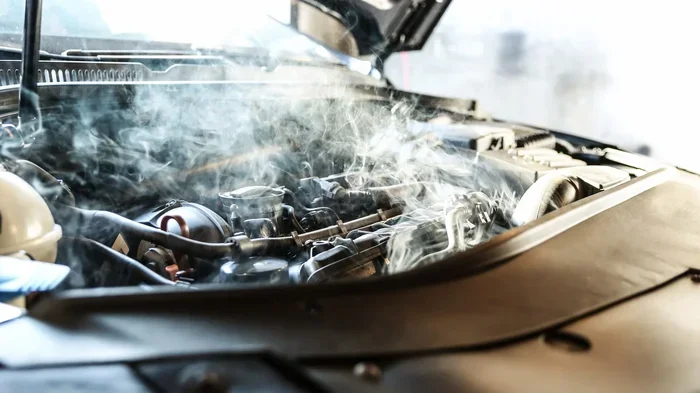
- Engine overheating is a major risk: Old or degraded coolant loses its ability to regulate temperature, which can cause serious engine damage.
- Visual and chemical checks help: Changes in coolant color, consistency, and pH level are clear signs it is time for a coolant flush.
- Driving conditions affect coolant life: Stop-and-go traffic, extreme temperatures, and heavy loads all accelerate coolant breakdown.
- Regular maintenance saves money: Staying on top of your coolant change schedule prevents costly radiator and engine repairs.
📑 Table of Contents
What Does Coolant Do and Why It Matters
Before we dive into how long coolant lasts, let us talk about what it actually does. Coolant, also called antifreeze, is a liquid that flows through your engine block and radiator. Its main job is to absorb heat from the engine and carry it away to keep things running at a safe temperature.
But coolant does much more than just regulate heat. It also prevents the water in your cooling system from freezing during cold weather. On top of that, it contains additives that protect metal parts from rust and corrosion. Without proper coolant, your engine block, water pump, and radiator could all suffer serious damage.
The Science Behind Coolant Protection
Coolant is typically a mixture of ethylene glycol or propylene glycol and distilled water. This mixture has a higher boiling point than plain water, which means it can handle the extreme heat inside your engine without turning into steam. The additives in coolant, such as phosphates and silicates, create a protective layer on metal surfaces inside the cooling system.
Over time, these additives break down. They get used up fighting corrosion and reacting with heat. Once the additive package is exhausted, the coolant loses its protective abilities. At that point, even if the liquid looks fine, it is no longer doing its job properly. This is why the idea that coolant simply lasts forever is misleading.
The Truth About Coolant Lifespan
So, does coolant really last 10 years? The truth is more complicated than a simple yes or no. The lifespan of your coolant depends on the type of coolant you use, the age of your vehicle, and the conditions you drive in. Let us look at the facts so you can understand what really happens inside your cooling system over time.
Traditional Coolant vs. Extended-Life Coolant
Not all coolant is created equal. There are two main categories that most drivers encounter. Traditional or conventional coolant, often green in color, has been around for decades. It typically lasts about 2 years or 30,000 miles before it needs to be replaced. Extended-life coolant, which often comes in orange, red, purple, or blue, uses different chemical technology and can last much longer.
Extended-life coolants use organic acid technology, also known as OAT, or hybrid organic acid technology, known as HOAT. These formulations are designed to protect your cooling system for up to 5 years or 150,000 miles. That is significantly longer than traditional coolant. However, even extended-life coolant does not last a full 10 years in most real-world conditions.
What Manufacturer Claims Really Mean
Some vehicle manufacturers claim that their cars have coolant that can last 10 years or 150,000 miles. While this is technically possible under ideal conditions, it is important to understand what “ideal” really means. Ideal conditions include gentle highway driving, moderate temperatures, and a perfectly sealed cooling system with no leaks.
In the real world, most driving conditions are far from ideal. Daily stop-and-go traffic, short trips, extreme heat, and cold weather all stress the cooling system. These conditions cause coolant to degrade faster than the manufacturer’s ideal timeline suggests. This is why many mechanics recommend more frequent coolant changes than what the owner’s manual states.
Signs Your Coolant Needs Replacing
One of the best ways to protect your engine is to recognize the warning signs that your coolant is no longer effective. Catching these signs early can save you from expensive repairs down the road. Here are the most common indicators that it is time to check your coolant.
Visual Changes in Coolant Color and Texture
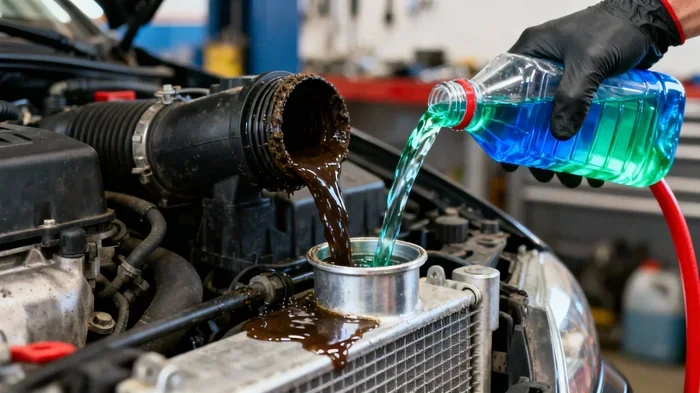
Fresh coolant is usually bright and clear, depending on the type. Over time, coolant can become rusty, muddy, or dark brown. If you open your coolant reservoir and notice that the liquid looks discolored or has particles floating in it, that is a strong sign of contamination. Rust particles, scale buildup, and oil residue can all mix with old coolant and reduce its effectiveness.
Another visual clue is a thick or slimy texture. Healthy coolant should feel smooth and watery. If it feels gritty or viscous, the additive package has likely broken down. This kind of degraded coolant can clog your radiator tubes and restrict proper flow through the cooling system.
Temperature Gauge Fluctuations
Your temperature gauge is one of the most direct indicators of cooling system health. If you notice that the gauge reads higher than normal, especially during idle or low-speed driving, your coolant may not be functioning properly. Degraded coolant has a lower heat capacity, which means it cannot absorb and dissipate heat as efficiently.
On the flip side, if your heater is not blowing warm air when the engine is hot, that could also signal a coolant problem. Low coolant effectiveness or low coolant level can both cause the heater to blow cold air. Either way, it is worth investigating immediately.
Unusual Smells and Leaks
Sweet-smelling liquid pooling under your car is a classic sign of a coolant leak. But even without a visible leak, old coolant can produce a sweet odor from under the hood. If you smell something sweet while driving, pull over safely and check your coolant level. Driving with low coolant can cause your engine to overheat quickly.
A coolant leak can come from many places, including the radiator, hoses, water pump, or heater core. Small leaks are common in older vehicles and can slowly drain your coolant over weeks or months. The key is to catch these leaks early before they lead to overheating and engine damage.
Types of Coolant and Their Durability
Understanding the different types of coolant available can help you choose the right one for your vehicle and set realistic expectations for how long it will last. Here is a breakdown of the most common coolant types and their typical lifespans.
Inorganic Additive Technology Coolant
IAT coolant is the traditional green coolant that has been used in cars for decades. It relies on inorganic additives like phosphates and silicates to protect against corrosion. Because these additives deplete relatively quickly, IAT coolant typically needs to be replaced every 2 years or 30,000 miles. This is the type with the shortest lifespan of the common options.
IAT coolant is still widely used in older vehicles and some modern cars. If you drive a classic car or a vehicle that specifies traditional coolant, sticking to the recommended change interval is essential. Using IAT coolant beyond its lifespan exposes your cooling system to corrosion and scale buildup.
Organic Acid Technology Coolant
OAT coolant is the most common type found in modern vehicles. It uses organic acids as corrosion inhibitors, which last much longer than the inorganic additives in traditional coolant. OAT coolants typically come in orange, red, or purple colors and can last up to 5 years or 150,000 miles.
Some manufacturers, like Honda and Toyota, use their own proprietary versions of OAT coolant. These formulations are specifically engineered for their engines and may have slightly different change intervals. Always check your owner’s manual to confirm which type of coolant your vehicle requires.
Hybrid Organic Acid Technology Coolant
HOAT coolant combines the best of both worlds. It uses organic acids like OAT but also includes a small amount of inorganic additives for added protection. HOAT coolant is commonly found in Ford, Chrysler, and many European vehicles. It typically lasts about 5 years or 150,000 miles, similar to pure OAT coolant.
The hybrid formulation gives HOAT coolant a broader protection profile. It is effective against both corrosion and cavitation, which is the erosion that occurs when bubbles form and collapse inside the water pump. This makes HOAT a popular choice for vehicles that run in demanding conditions.
How Often Should You Change Your Coolant
Now that we have covered the types, let us talk about the actual change intervals. How often should you really flush and replace your coolant? The answer depends on your vehicle, your coolant type, and your driving habits.
General Guidelines for Most Vehicles
As a general rule of thumb, most mechanics recommend flushing and replacing coolant every 30,000 to 60,000 miles. For time-based intervals, a coolant change every 3 to 5 years is a safe bet for most vehicles. This falls between the short-life traditional coolants and the long-life extended-life coolants.
Even if your vehicle uses extended-life coolant, many experts suggest a mid-life flush around the 5-year mark. This helps remove any accumulated sediment and ensures that the additive package is refreshed. Think of it as a preventive maintenance step that keeps your cooling system in top shape.
Factors That Shorten Coolant Life
Several driving conditions and habits can cause your coolant to degrade faster than the standard timeline. Stop-and-go city driving puts more thermal stress on the cooling system than steady highway driving. If you regularly drive in very hot climates, your coolant works harder to maintain safe temperatures.
Short trips are another silent coolant killer. When you only drive for 10 to 15 minutes, the engine never fully reaches optimal operating temperature. This causes condensation to build up inside the cooling system, which dilutes the coolant and promotes rust. If most of your driving is short trips, consider shortening your coolant change interval.
Heavy towing and hauling also increase the thermal load on your engine. The extra weight means more heat, which means your coolant is under more stress. If you regularly tow a trailer or carry heavy loads, your coolant will break down faster and need more frequent replacement.
Quick Tips for Extending Coolant Life
- Check your coolant level monthly: A quick visual inspection takes seconds and can catch low levels before they cause problems.
- Use distilled water for top-offs: Tap water contains minerals that can cause scale buildup and reduce coolant effectiveness.
- Never mix different coolant types: Mixing incompatible coolants can cause chemical reactions that create sludge and clog your system.
- Keep your radiator clean: Debris on the radiator fins restricts airflow and reduces cooling efficiency, which stresses the coolant.
- Watch your temperature gauge: If it ever reads higher than normal, pull over and let the engine cool before continuing.
Common Mistakes That Shorten Coolant Life
Many drivers unknowingly make mistakes that accelerate coolant degradation. Avoiding these common errors can help your coolant last longer and protect your engine more effectively.
Topping Off With the Wrong Fluid
One of the most common mistakes is simply topping off low coolant with plain water or the wrong type of coolant. While water will temporarily bring the level up, it does not provide the corrosion protection that coolant additives offer. Over time, using water instead of proper coolant leads to rust and scale inside the cooling system.
Mixing different coolant types is equally harmful. Each coolant formulation uses a specific chemical package designed to work together. When you mix incompatible coolants, the additives can react and form gel-like substances that clog passages and reduce flow. Always use the coolant type specified in your owner’s manual.
Ignoring Small Leaks
A small coolant leak might not seem like a big deal at first. You just top it off and keep driving. But even a slow leak gradually reduces the coolant level, which means there is less fluid to absorb and dissipate heat. Over time, this can lead to overheating, warped engine components, and expensive repairs.
Common sources of coolant leaks include radiator hoses, the water pump seal, the thermostat housing, and the radiator cap. If you notice a puddle of green, orange, or pink fluid under your car, have it inspected by a mechanic as soon as possible. Catching a small leak early is far cheaper than repairing a blown head gasket.
Skipping Coolant Flushes
Draining and refilling coolant is not the same as a proper flush. A simple drain-and-fill leaves behind old, contaminated fluid and sediment inside the engine block and radiator passages. Over time, this buildup reduces cooling efficiency and can cause blockages.
A proper coolant flush involves running a cleaning solution through the entire cooling system, followed by multiple rinses with distilled water, and finally filling with fresh coolant. This process removes old fluid, scale, rust, and deposits that a simple drain-and-fill leaves behind. Schedule a full flush according to your vehicle’s maintenance schedule for the best results.
Expert Insights on Coolant Maintenance
We spoke with several experienced automotive technicians to get their take on coolant longevity and maintenance. Their advice reinforces what the data shows, with some practical insights that every driver should know.
One master technician shared that he has seen far too many engines damaged by neglected coolant. He explained that coolant degradation is a slow, invisible process. By the time you notice symptoms like overheating or poor heater performance, the damage to internal components may already be done. His number one recommendation is to stick to a regular coolant flush schedule and never assume that because the coolant looks fine, it is fine.
Another expert emphasized the importance of using a coolant test strip. These inexpensive strips measure the pH level and freeze point of your coolant. A simple test can tell you whether your coolant is still effective or whether it needs to be replaced. He recommends testing your coolant at every oil change as part of routine maintenance.
The consensus among professionals is clear. The idea that coolant lasts 10 years without any attention is a myth that can cost you thousands in engine repairs. Regular testing and timely flushing are the best investments you can make in the longevity of your vehicle.
Key Takeaways
- Coolant does not always last 10 years: Most coolant types degrade over time and need replacement long before the 10-year mark.
- Coolant type matters greatly: Traditional green coolant lasts about 2 years, while extended-life coolants can last up to 5 years or 150,000 miles.
- Engine overheating is a major risk: Old or degraded coolant loses its ability to regulate temperature, which can cause serious engine damage.
- Visual and chemical checks help: Changes in coolant color, consistency, and pH level are clear signs it is time for a coolant flush.
- Driving conditions affect coolant life: Stop-and-go traffic, extreme temperatures, and heavy loads all accelerate coolant breakdown.
- Regular maintenance saves money: Staying on top of your coolant change schedule prevents costly radiator and engine repairs.
Conclusion
So, does coolant really last 10 years? The honest answer is that most coolant types do not reliably last a full decade without losing effectiveness. While extended-life coolants come closer to that mark, real-world driving conditions, mixed driving habits, and natural chemical breakdown all work against the idea of a 10-year coolant lifespan.
Your cooling system is essential to keeping your engine healthy and running smoothly. Treating your coolant with the respect it deserves through regular checks, timely flushes, and using the right type of fluid will pay off in the long run. The small cost of a coolant flush is nothing compared to the cost of repairing a overheated engine.
Take a few minutes today to check your coolant level and condition. If it has been more than 3 to 5 years since your last flush, consider scheduling one soon. Your engine will thank you for it, and you will enjoy peace of mind knowing your vehicle is properly protected from overheating and corrosion.
Frequently Asked Questions
Can I just add new coolant without flushing the old one out?
Topping off with fresh coolant is fine in an emergency, but it is not a substitute for a proper flush. Old coolant contains accumulated rust, scale, and depleted additives. Simply adding new coolant on top dilutes the old fluid but does not remove the contaminants. Over time, this leads to a buildup that can clog your cooling system and reduce efficiency.
What happens if I drive with old coolant?
Driving with old coolant puts your engine at risk of overheating. Degraded coolant loses its ability to absorb heat effectively and its corrosion protection weakens. This can lead to radiator clogs, water pump failure, and in severe cases, a cracked engine block or blown head gasket. The repair costs for these problems can be thousands of dollars.
How can I tell what type of coolant my car uses?
The best way to determine your coolant type is to check your owner’s manual. It will specify the recommended coolant specification and color. You can also look for a coolant label under the hood, which many manufacturers place near the radiator cap. If you are unsure, ask your mechanic or check with your dealership using your vehicle identification number.
Is it okay to mix different colors of coolant?
No, mixing different coolant colors or types is generally not recommended. Different formulations use different chemical packages that can react with each other. This reaction can create sludge, reduce cooling efficiency, and clog passages in your cooling system. Always use the same type and brand of coolant, or flush the system completely before switching types.
How much does a coolant flush cost at a mechanic?
A coolant flush typically costs between $100 and $200 at most repair shops. The price varies depending on your vehicle, the type of coolant used, and your local labor rates. Some dealerships may charge more, especially for vehicles that require specialized coolant formulations. Compared to the cost of engine repair from overheating, a coolant flush is a very affordable maintenance task.
Can coolant go bad even if it has not been opened?
Yes, coolant can degrade over time even in an unopened container. The chemical additives slowly break down, and the pH level can shift. Most manufacturers recommend using coolant within 2 to 5 years of the production date. If you are using old, unopened coolant, it is worth testing it with a coolant test strip before adding it to your vehicle.