Does Your Car Insurance Cover Windshield Replacement
Windshield replacement can be costly, but the good news is that most car insurance policies do cover it under the right conditions. Whether you carry comprehensive coverage or full coverage car insurance, understanding your policy limits and insurance deductible is essential before you visit a repair shop. This guide walks you through everything you need to know about filing an insurance claim, choosing between an OEM windshield and an aftermarket windshield, and avoiding common mistakes during the claim filing process.
You are driving down the highway. A pebble flies up from a truck ahead. Before you know it, there is a crack running across your windshield. It happens to millions of drivers every year. Windshield damage is one of the most common types of auto body damage. And it can feel stressful when you do not know who is paying for the fix.
The big question on most people’s minds is simple: does car insurance cover windshield replacement? The answer is not always a clear yes or no. It depends on your policy type, your deductible, the cause of the damage, and your insurance provider. But here is the good news. In most cases, you are covered. This guide breaks down everything you need to know about windshield replacement and car insurance in plain, easy-to-understand language.
Whether you have a small rock chip or a full crack, understanding your coverage can save you hundreds of dollars. You will learn what different types of coverage pay for, how to file a claim, and how to choose the right glass for your vehicle. Let us dive in.
Key Takeaways
- Most policies cover windshield replacement: If you carry comprehensive coverage or full coverage car insurance, your insurer likely pays for glass repair or replacement.
- Your deductible matters: The amount you pay out of pocket depends on your insurance deductible, and some providers offer a zero deductible glass option.
- OEM vs aftermarket glass is a key decision: OEM windshields meet original safety standards, while aftermarket options cost less but may differ in quality.
- Filing a claim is straightforward: Most insurance providers make the claim filing process simple, especially for glass-only damage.
- Premium increases are not guaranteed: Filing a windshield claim may or may not raise your rates, depending on your insurer and state laws.
- Prevention saves money: Simple driving habits and regular maintenance can reduce the risk of rock chips and cracks.
📑 Table of Contents
- What Is Windshield Replacement and When Is It Needed?
- How Car Insurance Covers Windshield Damage
- Comprehensive Coverage vs. Collision Coverage for Windshield
- The Claims Process for Windshield Replacement
- OEM vs. Aftermarket Windshields: What You Need to Know
- Tips to Avoid Windshield Damage and Keep Costs Down
- Final Thoughts on Windshield Replacement and Car Insurance
What Is Windshield Replacement and When Is It Needed?
Not every chip or crack means you need a full replacement. Sometimes, a simple crack repair is all it takes. Understanding the difference between windshield repair and full replacement is the first step. Let us look at when each option applies.
When a Rock Chip Becomes a Full Crack
A rock chip is a small piece of damage. It usually looks like a tiny chip or a small circle in your glass. At first, it may seem harmless. But left untreated, a rock chip can spread. Temperature changes, vibration, and even just driving over a bump can cause a small chip to grow into a long crack.
Once a crack reaches a certain size, repair is no longer an option. You will need a full windshield replacement. This is why experts always recommend fixing a rock chip as soon as possible. Early auto glass repair is cheaper and faster. It also prevents the damage from getting worse.
Safety Concerns with a Damaged Windshield
Your windshield does more than just keep the wind out. It plays a critical role in your vehicle’s structural integrity. In a rollover accident, the windshield helps support the roof. It also helps your airbags deploy correctly. A cracked or shattered windshield can compromise all of this.
Driving with a damaged windshield is a safety risk. It can also get you pulled over in some states. Many places have laws about cracked or chipped glass that blocks your view. If your windshield is badly damaged, replacing it is not just smart. It is often the law.
Quick Tips
- Get a rock chip repaired within a few days to prevent it from spreading.
- Do not wait until a crack blocks your driver’s view.
- Check your state laws about damaged windshields before driving.
- Keep your insurance card and policy details in your car at all times.
How Car Insurance Covers Windshield Damage
Now let us get to the heart of the matter. How does car insurance actually handle windshield replacement? The answer depends on the type of coverage you have and what caused the damage. Let us break this down step by step.
Does Every Policy Include Windshield Coverage?
Not all car insurance policies are the same. Some include glass coverage as part of the standard package. Others do not cover windshield damage at all unless you add a specific rider. Here is a quick look at the most common scenarios:
- Comprehensive coverage: This is the most common type of coverage for windshield damage. It covers damage from things like rocks, debris, hail, and vandalism. If a flying pebble cracks your windshield, comprehensive coverage usually pays for the replacement.
- Collision coverage: This covers damage from accidents. If you hit a pothole and your windshield cracks, collision coverage may apply. But if a rock hits your windshield while you are driving, collision coverage typically does not.
- Full coverage car insurance: This is a term people use for a policy that includes both comprehensive and collision coverage. With full coverage, you are almost always covered for windshield replacement regardless of the cause.
- Liability-only coverage: This is the most basic type of policy. It covers damage you cause to other people or vehicles. It does not cover your own windshield. If you only have liability coverage, you will likely pay out of pocket for windshield replacement.
The key takeaway here is to read your policy carefully. If you are unsure, call your insurance provider and ask directly. Most companies have customer service agents who can walk you through your coverage in minutes.
What Does Windshield Coverage Typically Pay For?
When your policy includes glass coverage, here is what it usually pays for:
- Full windshield replacement when the damage is too large to repair
- Crack repair for smaller chips and breaks
- Side and rear window replacement in some cases
- Sensor recalibration if your windshield has built-in sensors
- ADAS (Advanced Driver Assistance Systems) recalibration after replacement
Some policies also cover the cost of a deductible waiver for glass claims. This means you pay nothing out of pocket. We will talk more about deductibles in a moment.
Expert Insight
According to the Insurance Information Institute, comprehensive claims for windshield damage are among the most common and least likely to cause a rate increase. Insurers view glass damage as a no-fault event, meaning you did not cause the accident. This makes windshield claims different from at-fault collision claims.
Comprehensive Coverage vs. Collision Coverage for Windshield
Understanding the difference between comprehensive coverage and collision coverage is essential. These two types of insurance work differently, and knowing which one applies to your windshield damage can save you time and money.
When Comprehensive Coverage Applies
Comprehensive coverage is also called “other than collision” coverage. It covers damage that is not caused by a car accident. Here are common situations where comprehensive coverage pays for windshield replacement:
- A rock or debris hits your windshield while driving
- Hail or severe weather cracks your glass
- Vandalism smashes your windshield
- A falling tree branch damages your glass
- An animal hits your windshield
In all of these cases, you did not cause the damage. That is why comprehensive coverage handles it. It is designed to protect you from events outside of your control.
When Collision Coverage Kicks In
Collision coverage applies when your car is involved in an accident. If you swerve to avoid an animal and hit a guardrail, cracking your windshield, collision coverage would apply. If you rear-end another car and the impact damages your windshield, collision coverage also applies.
The key difference is fault. Comprehensive covers events you cannot control. Collision covers accidents that happen while you are driving, regardless of who is at fault.
| Coverage Type | What It Covers | Windshield Example | Deductible Usually Applies? |
|---|---|---|---|
| Comprehensive | Non-accident damage | Rock chip from highway debris | Yes, unless waived |
| Collision | Accident-related damage | Cracked windshield from hitting a pothole | Yes |
| Liability Only | Damage to others | Does not cover your windshield | N/A |
| Full Coverage | Comprehensive + Collision | Almost all windshield damage | Yes, unless waived |
As you can see, having full coverage car insurance gives you the broadest protection for your windshield. If you only have liability coverage, you are on your own when it comes to glass damage.
The Claims Process for Windshield Replacement
Filing an insurance claim for windshield replacement does not have to be complicated. Most insurance providers have streamlined the process. Here is what you can expect step by step.
How to File a Claim
Follow these steps to start your claim filing process:
- Document the damage. Take clear photos of the crack or chip from multiple angles. Include close-up shots and wider shots that show the damage in context.
- Contact your insurance provider. Call the claims hotline or use your insurer’s app. Most companies allow you to file a claim 24/7.
- Provide details. Tell the representative what happened, when it happened, and the location of the damage. Have your policy number ready.
- Get a claim number. Your insurance provider will assign you a claim number. Keep this handy for all follow-up communication.
- Choose a repair shop. Your insurer may offer a list of approved or network repair shops. You can also choose your own shop in many cases.
- Schedule the replacement. Book an appointment at a time that works for you. Many shops offer same-day service.
What to Expect After Filing
After you file your claim, your insurance provider will review it. They may send an insurance adjuster to inspect the damage. In many cases, especially for straightforward windshield replacement, no in-person visit is needed. The adjuster reviews your photos and approves the claim remotely.
Once approved, you will get an estimate of what the insurance company pays and what you owe. This is where your insurance deductible comes in. If your deductible is $500 and the replacement costs $1,200, you pay $500 and your insurer pays $700.
Some providers offer a zero deductible option for glass claims. This means you pay nothing out of pocket. Check your policy or ask your insurer if this is available to you.
Will Your Premium Go Up?
This is one of the most common questions people ask. The short answer is: it depends. Here is what you need to know:
- Glass-only claims are often treated differently. Many insurers do not count windshield claims the same way they count accident claims. Since glass damage is usually not your fault, it is seen as a no-claims event.
- State laws vary. Some states prohibit insurers from raising rates for comprehensive claims, including glass damage.
- Your claims history matters. If you file multiple claims in a short period, your insurer may view you as a higher risk. This could lead to an insurance premium increase.
- Ask before you file. When in doubt, call your insurance provider and ask if filing a claim will affect your rate. They are required to give you an honest answer.
Common Mistakes to Avoid
- Waiting too long to file. Delaying your claim can complicate things. File as soon as you notice the damage.
- Not reading your policy. Every policy is different. Know your coverage before you need it.
- Choosing a shop without checking. Make sure the repair shop is reputable and, ideally, in your insurer’s network.
- Ignoring small chips. A small rock chip can turn into a big crack. Fix it early to save money.
OEM vs. Aftermarket Windshields: What You Need to Know
When it comes time to replace your windshield, you will likely hear the terms OEM and aftermarket. These two types of glass are very different. Understanding the difference can help you make the best choice for your safety and your wallet.
What Is an OEM Windshield?
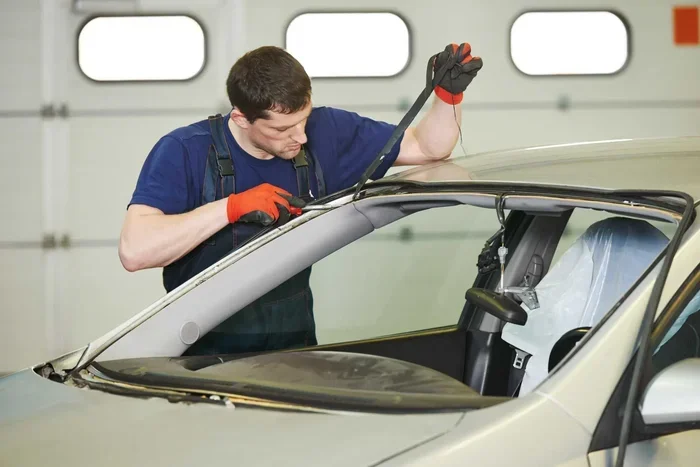
OEM stands for Original Equipment Manufacturer. An OEM windshield is made by the same company that produced the original windshield for your vehicle. It meets the exact same specifications, quality standards, and safety requirements as the factory-installed glass.
OEM windshields are designed to fit your car perfectly. They match the original tint, curvature, and sensor placement. If your vehicle has built-in features like rain sensors, lane departure warnings, or adaptive cruise control, an OEM windshield ensures these systems work correctly after replacement.
What Is an Aftermarket Windshield?
An aftermarket windshield is made by a third-party manufacturer. It is not produced by the original car maker. Aftermarket glass meets safety standards, but it may not match the exact specifications of your original windshield.
Aftermarket windshields are generally less expensive than OEM options. This is the main reason many people choose them. However, they may differ in thickness, tint, or fit. In some cases, aftermarket glass can cause issues with sensor calibration or electronic features.
Which One Does Insurance Prefer?
Most insurance providers prefer aftermarket windshields because they cost less. This keeps their payouts lower. However, you usually have the right to choose OEM glass if you are willing to pay the difference.
Here is how this typically works:
- If your policy has a zero deductible or glass coverage with no deductible, the insurer may cover an aftermarket windshield at no cost to you.
- If you want an OEM windshield, you may need to pay the price difference yourself.
- Some insurers offer OEM glass coverage as an add-on to your policy. Check with your provider to see if this is available.
The OEM vs aftermarket glass decision is an important one. If your windshield has advanced safety features or sensors, going with OEM is often the safer choice. If you have a basic windshield with no special features, aftermarket glass can be a smart way to save money.
Expert Insight
Industry experts recommend OEM glass for newer vehicles with ADAS features. Aftermarket glass may not align properly with cameras and sensors, which can affect the accuracy of safety systems. Always ask your installer about calibration requirements after replacement.
Tips to Avoid Windshield Damage and Keep Costs Down
Prevention is always better than repair. While you cannot avoid every rock chip or crack, there are steps you can take to reduce your risk. Here are practical tips that can help protect your windshield and keep your costs down.
Driving Habits That Protect Your Windshield
- Keep a safe distance from trucks. Large vehicles kick up more debris. Stay back, especially on highways and construction zones.
- Avoid tailgating. Following too closely gives rocks less time to fall before hitting your windshield.
- Slow down on gravel roads. Speed increases the force of debris impact. Reducing speed can reduce the severity of chips.
- Park in a garage when possible. Parking indoors protects your windshield from hail, falling branches, and vandalism.
- Avoid driving near construction zones when you can. Construction vehicles are a major source of flying debris.
Quick Maintenance Tips
- Fix small chips immediately. A quick crack repair costs a fraction of a full replacement.
- Use a windshield protector or cover when parked outdoors in storm-prone areas.
- Replace worn windshield wipers. Damaged wipers can scratch your glass over time.
- Check your insurance policy annually. Make sure your glass coverage is still active and adequate.
- Know your insurance provider’s claims process before you need it. Being prepared makes everything faster.
Taking these small steps can make a big difference. A little prevention today can save you from a costly windshield replacement tomorrow.
Final Thoughts on Windshield Replacement and Car Insurance
The answer to does car insurance cover windshield replacement is almost always yes, as long as you have the right type of coverage. Comprehensive coverage and full coverage car insurance policies typically include glass protection. Even if your policy does not include dedicated glass coverage, you may still have options through your comprehensive or collision coverage.
Remember that your insurance deductible, policy limits, and the type of glass you choose all play a role in your out-of-pocket cost. Filing a claim for windshield damage is generally straightforward, and comprehensive glass claims are unlikely to cause a significant insurance premium increase.
The best thing you can do is stay informed. Know what your policy covers. Keep your contact information handy. And take care of small chips before they turn into big cracks. Your windshield is more than just a piece of glass. It is a critical safety feature of your vehicle. Treat it with the care it deserves.
Whether you need a quick crack repair or a full windshield replacement, understanding your car insurance coverage puts you in control. You will feel confident knowing exactly what to expect and how to get the job done right.
Frequently Asked Questions
Does car insurance cover windshield replacement for free?
It depends on your policy. If you have comprehensive coverage with a zero deductible glass option, your insurer may pay for the full replacement at no cost to you. Otherwise, you will pay your insurance deductible, and your insurer covers the rest. Check your specific policy for details.
Will filing a windshield claim raise my insurance rates?
In most cases, a windshield claim does not raise your rates. Insurers view glass damage as a no-fault event covered under comprehensive coverage. However, some insurers may consider your overall claims history. It is always a good idea to ask your provider directly before filing.
What is the difference between a rock chip and a crack?
A rock chip is a small, localized piece of damage caused by debris hitting your glass. A crack is a longer break that spreads across the windshield. Small rock chips can often be repaired, but once a crack grows beyond a certain size, full windshield replacement is usually required.
Can I choose my own repair shop for windshield replacement?
Yes, in most cases you can choose any repair shop. However, using a network or approved shop recommended by your insurance provider can simplify the claims process. Network shops often handle the paperwork directly and may offer cashless claim options.
How long does a windshield replacement take?
A professional windshield replacement typically takes about 30 to 60 minutes. However, if your vehicle has advanced sensors or ADAS features, the calibration process may add extra time. Plan for a few hours total, especially if calibration is needed.
Do I need to replace my windshield if I only have a small chip?
Not always. Small chips and rock chips can often be repaired with a simple crack repair. A professional auto glass repair technician can fill the chip and restore the strength of your windshield. The key is to act quickly before the damage spreads and forces a full replacement.