Can You Put Any Engine in Any Car Here Is the Full Story
The short answer is no, you cannot put any engine in any car. Engine swaps depend on compatibility factors like the engine bay size, transmission fitment, wiring, and mounting points. However, with the right planning and modifications, many engines can be swapped into different vehicles successfully.
Have you ever looked under the hood of a car and thought, “I wish I could drop a different motor in here”? Maybe you saw a classic car with a modern engine and wondered if you could do the same. The idea of swapping engines sounds exciting, but the question remains — can you put any engine in any car?
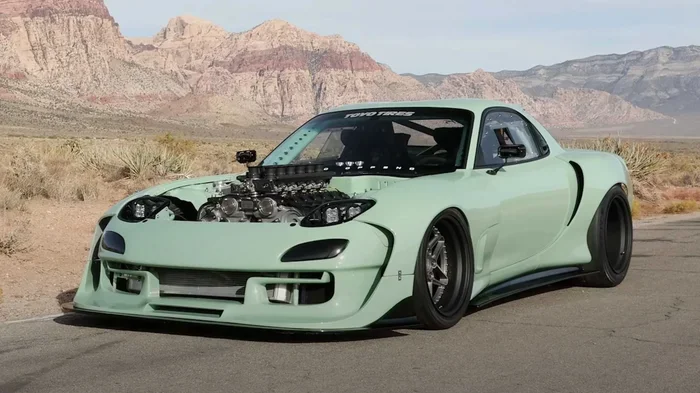
The answer is more complicated than a simple yes or no. You might see a Honda Civic with a Corvette engine or a Ford Mustang with a Toyota powerplant. These swaps are real, and they happen all the time. But each one required careful planning, custom parts, and serious know-how.
In this guide, we will walk you through everything you need to know about engine swaps. We will cover compatibility, costs, common mistakes, and expert tips. Whether you are a weekend hobbyist or a first-time builder, this article will give you the full picture.
Key Takeaways
- Not every engine fits every car: Engine bay size, mount points, and clearance matter a lot.
- Transmission compatibility is critical: You need matching bell housings and drivetrain setups.
- Wiring and ECU tuning are often overlooked: These can make or break your swap.
- Costs vary widely: A simple swap may cost $500, while a complex one can exceed $10,000.
- Legal and emissions rules apply: Many regions have strict regulations on engine swaps.
- Research and planning save time and money: Understanding compatibility upfront prevents costly mistakes.
📑 Table of Contents
- What Does Engine Swap Actually Mean?
- Can You Put Any Engine in Any Car? The Real Answer
- Common Engine Swap Combinations
- Factors That Determine Engine Compatibility
- The Real Costs of Swapping an Engine
- Common Mistakes to Avoid When Swapping Engines
- Expert Tips for a Successful Engine Swap
- Is an Engine Swap Worth It?
- Conclusion
What Does Engine Swap Actually Mean?
An engine swap is the process of removing the original engine from a vehicle and replacing it with a different one. Sometimes people call this a motor swap or an engine replacement. The new engine might come from the same manufacturer or a completely different brand.
Swaps can be simple or extremely complex. A straightforward swap might involve bolting in a similar engine from the same car family. A complex swap could mean fitting a completely different engine into a vehicle it was never designed for.
Why Do People Swap Engines?
There are many reasons someone might want to swap an engine. Here are the most common ones:
- More power: The original engine might feel weak or outdated.
- Better reliability: Modern engines often last longer and need less maintenance.
- Fuel efficiency: A newer engine might use less gas than an older one.
- Availability of parts: The original engine might be hard to find or too expensive.
- Custom builds: Some car enthusiasts simply love the challenge of a unique swap.
Can You Put Any Engine in Any Car? The Real Answer
Here is the truth — you cannot put any engine in any car without modifications. Every vehicle has specific design constraints that limit which engines will fit. Let us break down the main factors that determine compatibility.
Engine Bay Size and Clearance
The most obvious factor is whether the engine physically fits inside the engine bay. Some cars have small engine compartments, while others have plenty of room. A big V8 engine simply will not fit in a car designed for a small four-cylinder.
You also need to consider engine bay clearance. Even if the engine fits lengthwise, it might not fit widthwise. Accessory brackets, steering components, and suspension parts can all get in the way.
Engine Mounting Points
Every engine has specific motor mount locations. These are the points where the engine attaches to the car’s chassis. If the new engine has different mount points than the original, you will need custom mounts or an adapter plate.
Mounting points determine how the engine sits in the bay. Getting this wrong can lead to poor alignment, vibration, and even safety issues.
Transmission and Drivetrain Compatibility
The engine and transmission must work together. The bell housing — the part that connects the engine to the transmission — must match. Different engines use different bell housing patterns, and this is a major compatibility factor.
You also need to consider the drivetrain. Is the car front-wheel drive or rear-wheel drive? Does the new engine match the existing drivetrain setup? Mismatched drivetrains require extensive modification.
Wiring and Electrical Systems
Modern vehicles rely heavily on electronics. The engine control unit (ECU) manages fuel injection, ignition timing, and emissions controls. Swapping in a different engine often means swapping the entire wiring harness and ECU.
Some swaps require a complete engine management system overhaul. This is especially true when mixing engines from different manufacturers. The wiring can be one of the most challenging parts of any swap.
Cooling and Fuel Systems
A new engine needs proper cooling. The radiator, water pump, and hoses must all match the engine’s needs. A bigger engine usually generates more heat, so you may need a larger radiator.
The fuel system also needs attention. Different engines require different fuel pressures and fuel injectors. You might need to upgrade the fuel pump, fuel lines, and tank to support the new engine.
Exhaust and Emissions Systems
The exhaust manifold and downpipe must match the new engine’s configuration. Emissions regulations also play a role. Many regions require that swapped engines meet current emissions standards.
Common Engine Swap Combinations
Some engine swaps are more popular than others. Here are a few well-known combinations and why they work:
Honda K-Series Swaps
The Honda K-series engine is one of the most popular swap choices. These engines are lightweight, reliable, and powerful. They fit into many older Honda and Acura models with minimal modification.
Popular swaps include the K20 into a Honda Civic or the K24 into a Honda Integra. The engine mount points and transmission bell housings are often compatible or easily adapted.
LS Engine Swaps
The GM LS engine family is a favorite for American car swaps. Small and light, LS engines fit into many classic muscle cars and trucks. The LS swap has become almost a standard in the car community.
Popular applications include putting an LS1 or LS3 into a first-generation Camaro or a classic Chevy truck. Aftermarket engine swap kits make this process easier than ever.
Toyota 2JZ Swaps
The Toyota 2JZ engine, especially the 2JZ-GTE twin-turbo version, is legendary. It is known for incredible durability and tuning potential. Many enthusiasts swap this engine into older Toyota Supras, BMWs, and even Volkswagens.
The 2JZ swap requires more fabrication than some other swaps, but the results are worth it for those seeking serious horsepower.
Ford Coyote V8 Swaps
The Ford Coyote 5.0L V8 has become a go-to for Mustang enthusiasts and classic Ford fans alike. It bolts into many older Ford platforms with relatively little modification.
The Coyote swap is popular for classic Mustangs, Ford trucks, and even some mid-engine builds.
Factors That Determine Engine Compatibility
Before starting any swap, you need to evaluate several key factors. Here is a checklist to help you determine if an engine will work in your car.
| Factor | What to Check | Why It Matters |
|---|---|---|
| Engine bay size | Measure length, width, and height | Determines if the engine physically fits |
| Motor mounts | Check mount locations and bolt patterns | Affects engine positioning and stability |
| Transmission bell housing | Compare patterns between engines | Determines if the transmission mates properly |
| Drivetrain type | Front-wheel drive vs rear-wheel drive | Affects driveshaft and axle requirements |
| Wiring harness | Check ECU compatibility | Engine needs proper electronic control |
| Cooling system | Radiator size and water pump fitment | Prevents overheating |
| Fuel system | Fuel pressure and injector type | Ensures proper fuel delivery |
| Emissions compliance | Check local regulations | Keeps your car street legal |
Not every swap will check every box perfectly. Some swaps require custom fabrication to fill the gaps. The more boxes you can check with factory or aftermarket parts, the easier and cheaper your swap will be.
The Real Costs of Swapping an Engine
One of the biggest questions people ask is, “How much does an engine swap cost?” The answer depends on many factors, including the engines involved, the complexity of the swap, and whether you do the work yourself.
Breakdown of Swap Costs
- Engine purchase: $500 to $5,000+ depending on the engine
- Transmission: $500 to $3,000 if you need a new one
- Mounts and adapter plates: $100 to $500
- Wiring harness and ECU: $200 to $1,500
- Cooling system upgrades: $200 to $800
- Fuel system upgrades: $150 to $600
- Exhaust modifications: $100 to $500
- Labor (if not DIY): $1,000 to $5,000+
A simple swap using a compatible engine might cost around $1,500 to $3,000. A complex cross-manufacturer swap with extensive fabrication can easily reach $10,000 or more.
Hidden Costs to Consider
Many people underestimate the hidden costs of a motor swap. Here are some expenses that catch people off guard:
- Custom fabrication: You may need to have parts custom-made or modified.
- Tuning and dyno time: After the swap, the engine needs proper tuning.
- Drivetrain upgrades: The existing driveshaft or axles might not handle the new engine’s power.
- Legal fees: Emissions testing and registration changes can add cost.
- Tool rental: If you do not own all the tools needed, renting them adds up.
Common Mistakes to Avoid When Swapping Engines
Even experienced builders make mistakes. Here are some of the most common errors people make during an engine swap.
Skipping Compatibility Research
The biggest mistake is not researching compatibility before buying parts. You might find a great deal on an engine only to discover it will not fit. Always verify mount points, bell housing patterns, and clearance before you commit.
Ignoring the Wiring Harness
Many beginners focus on the mechanical parts and forget about the electrical side. A mismatched wiring harness can leave you with a car that will not start or runs poorly. Plan for a complete wiring solution upfront.
Underestimating Fabrication Needs
Not every swap is a bolt-in job. Some require welding, custom mounts, and modified brackets. If you are not comfortable with fabrication, factor in the cost of professional help.
Forgetting About Cooling
A bigger or more powerful engine generates more heat. Running the stock radiator on a swapped engine can lead to overheating and serious damage. Always upgrade the cooling system as needed.
Neglecting Emissions Compliance
In many areas, engine swaps must meet emissions requirements. An illegal swap can result in fines, failed inspections, or even having your car impounded. Check your local laws before starting.
Expert Tips for a Successful Engine Swap
Want to make your engine swap go smoothly? Follow these expert tips to save time, money, and frustration.
Start With a Swap Kit
Many manufacturers and aftermarket companies sell engine swap kits. These kits include motor mounts, adapter plates, and sometimes wiring harnesses. Starting with a kit saves you from fabricating parts from scratch.
Join Online Communities
Forums and social media groups for your specific car and engine combination are goldmines of information. People who have done the same swap can share tips, warn you about pitfalls, and recommend parts.
Measure Twice, Cut Once
Before you make any cuts or welds, measure everything carefully. Confirm that the engine fits, the transmission lines up, and all accessories have enough clearance.
Budget for Tuning
After the engine is installed, you will need professional tuning. A proper tune ensures the engine runs safely and efficiently. Do not skip this step, or you risk damaging your new engine.
Keep the Original Parts
Save all your original parts. If you ever want to sell the car or swap back to the original engine, having the stock parts makes that process much easier.
Is an Engine Swap Worth It?
The answer depends on your goals and budget. If you want more power from a car with a worn-out engine, a swap can be a great investment. If you just want a daily driver, a simpler repair or rebuild might make more sense.
For car enthusiasts, there is something deeply satisfying about a well-executed engine swap. It is a project that combines mechanical skill, creativity, and problem-solving. The result is a car that is truly unique and built to your specifications.
Just remember — can you put any engine in any car? Not without work. But with the right planning, research, and execution, almost any engine can go into almost any car. The question is whether you are willing to put in the effort.
Conclusion
Can you put any engine in any car? The answer is both yes and no. Technically, with enough fabrication and modification, you can fit many different engines into many different cars. But practical compatibility depends on factors like engine bay size, mounting points, transmission fitment, wiring, and emissions compliance.
Before starting any engine swap, do your homework. Research your specific combination, budget for unexpected costs, and plan for the electrical and cooling systems. A successful swap is all about preparation and patience.
Whether you are building a weekend project car or creating a performance masterpiece, the right engine swap can transform your driving experience. Just take it step by step, learn from others, and enjoy the process.
Frequently Asked Questions
What is the easiest engine swap to do?
The easiest swaps are those where the engine comes from the same manufacturer or vehicle family. For example, swapping a Honda K-series engine into another Honda model is often straightforward because the mount points and wiring are similar. Bolt-in swaps that use factory or aftermarket kits are the simplest to execute.
How long does an engine swap take?
A simple bolt-in swap can take a weekend or two for a skilled DIYer. More complex swaps, especially cross-manufacturer combinations, can take several weeks or even months. The timeline depends on your experience, the complexity of the swap, and whether you have the right tools and parts ready.
Do you need a professional mechanic for an engine swap?
Not always, but it depends on your skill level. Simple swaps are doable at home with basic tools. Complex swaps involving fabrication, custom wiring, and ECU tuning often benefit from professional help. If you are unsure, consult with experienced builders or take the project to a shop that specializes in swaps.
Is an engine swap legal?
In many places, engine swaps are legal as long as the new engine is from a newer model year and meets emissions requirements. Some regions require inspections and documentation. Always check your local laws and regulations before performing a swap to ensure your vehicle remains street legal.
How much does a basic engine swap cost?
A basic swap using a compatible engine and minimal modifications can cost between $1,500 and $3,000. This includes the engine, any needed parts, and basic consumables. Complex swaps with extensive fabrication and custom components can cost $10,000 or more.
Can you swap a manual transmission for an automatic during an engine swap?
Yes, you can change the transmission type during a swap, but it adds complexity. You will need to match the bell housing, driveshaft, and potentially the ECU. Some swaps require a complete drivetrain overhaul, so plan for additional parts and labor if you want to change the transmission type.