Does Tesla Use Micro-Inverters Here Is the Full Answer
Tesla does not use micro-inverters in its solar products. Instead, Tesla relies on a centralized inverter system and its own proprietary technology to convert solar energy. Understanding how Tesla’s solar setup works helps you make better decisions for your home energy needs.
Have you been wondering does Tesla use micro-inverters? You are not alone. Many homeowners and solar fans ask this question when they look into Tesla’s solar products. The answer might surprise you. Tesla takes a very different path from what most people expect in the solar world.
When you think about solar energy systems, the inverter is a key piece. It turns the direct current (DC) your panels make into alternating current (AC) that powers your home. Most solar companies offer micro-inverters as a top choice. But Tesla chose a different road. Let us dig into the full answer and see why.
In this article, we will cover everything you need to know. We will look at what micro-inverters are, how Tesla systems work, and what this means for your home. By the end, you will have a clear picture of Tesla’s solar inverter setup. You will also understand how it compares to other options on the market today.
Key Takeaways
- Tesla uses a centralized inverter system rather than micro-inverters for its solar products.
- Micro-inverters work differently and are popular with brands like Enphase Energy.
- Tesla’s Solar Roof and Powerwall integration rely on a system-level inverter approach.
- Each inverter type has pros and cons for efficiency, cost, and maintenance.
- Tesla’s approach prioritizes simplicity and seamless system design over panel-level optimization.
- Knowing your inverter options helps you choose the right solar setup for your home.
📑 Table of Contents
- What Are Micro-Inverters and Why Do They Matter?
- So Does Tesla Use Micro-Inverters?
- Why Did Tesla Choose This Path?
- Micro-Inverters vs Tesla’s Centralized System
- What This Means for Tesla Solar Roof Owners
- Common Mistakes People Make About Tesla Solar Inverters
- Expert Insights on Tesla’s Inverter Choice
- Quick Tips for Choosing Your Solar Inverter
- Conclusion
What Are Micro-Inverters and Why Do They Matter?
A micro-inverter is a small device attached to each solar panel. It converts DC power to AC power right at the panel. This is different from a big central inverter that handles all the panels at once. Companies like Enphase Energy made micro-inverters very popular in the solar industry.
How Micro-Inverters Work
Each panel gets its own tiny inverter. So if one panel shades or gets dirty, the others keep working fine. This is called panel-level optimization. It can boost your overall solar energy production. Here is why that matters:
- Shade handling: One shaded panel does not drag down the whole system.
- Panel-level monitoring: You can track each panel’s output separately.
- Longer system life: Micro-inverters often last 25 years or more.
- Safer output: The DC voltage stays low, which reduces fire risk.
Many solar owners love micro-inverters because of these benefits. They fit well with residential setups where roofs have tricky shapes or partial shade. So when people ask does Tesla use micro-inverters, they are usually comparing Tesla to these popular setups.
So Does Tesla Use Micro-Inverters?
The short answer is no. Tesla does not use micro-inverters in its solar panel systems or Solar Roof products. Instead, Tesla uses a centralized inverter system. This means one bigger inverter handles the power conversion for all your panels together.
Tesla’s Inverter Setup Explained
Tesla solar systems use what is called a system inverter or string inverter. All your panels connect in a series, or “string.” The DC power from all panels flows to one central inverter. That inverter converts it all to AC power for your home.
Tesla has used different inverter partners over the years. In some setups, they use inverters from companies like SolarEdge. In other configurations, they use their own built-in inverter technology. The key point is the same. There is no micro-inverter on each panel.
Here is how Tesla’s setup compares to a micro-inverter system:
- One central unit: A single inverter handles all panels.
- String configuration: Panels are wired together in series.
- System-level monitoring: You track total system output, not per-panel data.
- Simpler design: Fewer parts on the roof means less to maintain.
This approach keeps things clean and simple. Tesla wants its solar products to feel seamless. A centralized system fits that vision well. But it also means some trade-offs, which we will talk about soon.
Why Did Tesla Choose This Path?
Tesla is known for thinking differently. When they designed their solar products, they focused on the big picture. They wanted a system that works as one unified unit. Not just panels, but also batteries and energy management.
Integration With Powerwall
One big reason Tesla avoids micro-inverters is the Powerwall. The Powerwall is Tesla’s home battery system. It stores extra solar energy for later use. A centralized inverter setup integrates more smoothly with the Powerwall.
Here is why this matters:
- Easier energy flow: The inverter manages power between panels, battery, and home.
- Smart energy management: Tesla’s software controls everything together.
- Backup power: During a blackout, the Powerwall kicks in seamlessly.
- Time-of-use optimization: The system charges the battery when electricity is cheap.
A micro-inverter setup would add complexity to this picture. Each panel would have its own small inverter. Then you would need extra equipment to manage battery charging. Tesla’s centralized approach keeps things streamlined.
Design Philosophy
Tesla also cares a lot about how things look and feel. Their Solar Roof tiles are designed to blend into your roof. Adding a micro-inverter to every tile would complicate the design. A single inverter unit keeps the look clean and modern.
Tesla’s engineers also focused on reducing points of failure. Fewer parts means fewer things that can break. A centralized inverter is easier to diagnose and replace if needed. This philosophy fits Tesla’s goal of low-maintenance solar energy.
Micro-Inverters vs Tesla’s Centralized System
Now let us compare the two approaches side by side. This will help you understand the real differences. Whether you are considering Tesla solar or another brand, this comparison is useful.
Efficiency Comparison
Micro-inverters often have a slight efficiency edge. They optimize each panel individually. So if one panel underperforms, the rest do not suffer. Tesla’s centralized system can experience something called the “Christmas light effect.” If one panel underperforms, it can affect the whole string.
However, modern string inverters have improved a lot. Tesla uses technology like maximum power point tracking (MPPT). This helps the inverter find the best operating point for the system. The efficiency gap has narrowed over the years.
Cost Comparison
Centralized inverters cost less upfront than micro-inverters. This is one reason Tesla chose this route. Here is a simple cost breakdown:
- Centralized inverter: Lower cost, simpler installation.
- Micro-inverters: Higher cost, but panel-level optimization.
- Tesla Solar Roof: Priced as a full roofing and solar package.
For many homeowners, the lower upfront cost of a centralized system is appealing. But you should also think about long-term energy production. In shaded areas, micro-inverters might produce more energy over time.
Maintenance and Lifespan
Micro-inverters typically come with a 25-year warranty. They last a long time because they are small and have fewer parts. Centralized inverters usually last 10 to 15 years. You may need to replace a Tesla inverter once during the system’s life.
This is an important factor to consider. A centralized inverter replacement adds cost later on. But Tesla has worked to make their inverters reliable. The replacement process is also straightforward with a Tesla installation team.
Monitoring and Control
Micro-inverters give you detailed per-panel data. You can see exactly how each panel performs. Tesla’s system-level monitoring shows you total system output. The Tesla app gives you a clean dashboard for your whole setup.
Some solar owners love the detailed data from micro-inverters. Others prefer the simplicity of Tesla’s monitoring. It really comes down to what you value more. Do you want granular detail or a simple overview?
| Feature | Micro-Inverter System | Tesla Centralized System |
|---|---|---|
| Inverter Type | One per panel | One central unit |
| Panel-Level Optimization | Yes | No |
| Typical Warranty | 25 years | 10-15 years |
| Upfront Cost | Higher | Lower |
| Shade Handling | Excellent | Moderate |
| Monitoring Detail | Per-panel | System-level |
| Battery Integration | Needs extra hardware | Seamless with Powerwall |
| Roof Aesthetics | Small boxes on each panel | One hidden unit |
What This Means for Tesla Solar Roof Owners
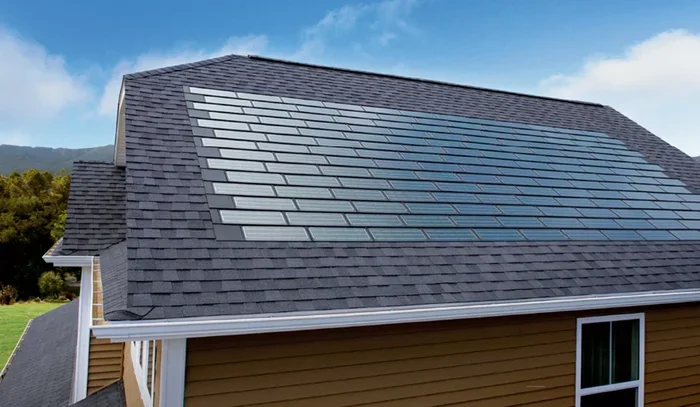
If you have a Tesla Solar Roof or are considering one, the inverter situation matters. The Solar Roof combines roofing tiles with solar cells. It is a unique product that needs a smart inverter solution.
How the Solar Roof Inverter Works
Tesla Solar Roof tiles generate DC power just like regular solar panels. That power flows to a centralized inverter. The inverter converts it to AC power for your home. If you also have a Powerwall, the inverter manages charging and discharging.
Tesla’s inverter for the Solar Roof is designed to be compact and quiet. It fits inside your garage or utility area. You do not see it from the outside. This keeps the clean look that Tesla is known for.
Do You Need an Extra Inverter?
In most cases, no. Tesla includes the inverter as part of the Solar Roof package. The system is designed to work together out of the box. You do not need to buy a separate micro-inverter or string inverter.
This is one of Tesla’s big selling points. Everything works as one system. The panels, inverter, battery, and app all talk to each other. It is a complete solar energy solution from one company.
Common Mistakes People Make About Tesla Solar Inverters
There are a few things people get wrong about Tesla’s inverter setup. Let us clear them up so you have the right information.
Mistake 1: Assuming Tesla Uses Enphase Micro-Inverters
Enphase is the biggest micro-inverter brand. Many people assume Tesla uses them. But Tesla has its own approach. They do not use Enphase micro-inverters in their standard systems.
Mistake 2: Thinking No Micro-Inverters Means Lower Efficiency
This is not always true. Tesla’s centralized inverters are high-quality units. They use advanced MPPT technology to maximize energy harvest. The efficiency difference between the two systems is often smaller than people think.
Mistake 3: Ignoring Inverter Replacement Costs
A centralized inverter may need replacement after 10 to 15 years. This is a cost to factor in when you look at Tesla solar. Micro-inverters typically do not need replacement. Keep this in mind when calculating your total solar cost.
Mistake 4: Overlooking System Compatibility
Not every inverter works with every battery. Tesla designed its inverter to pair perfectly with the Powerwall. If you add a third-party battery later, compatibility can be tricky. Stick with Tesla’s integrated system for the best experience.
Expert Insights on Tesla’s Inverter Choice
Solar industry experts have weighed in on Tesla’s inverter decision. Many agree that it makes sense for Tesla’s overall product strategy. The seamless integration with Powerwall and the Tesla app is a strong advantage.
However, some experts note that micro-inverters have clear benefits for certain situations. If your roof has complex shading patterns, micro-inverters might be better. For straightforward roof setups, Tesla’s centralized system works great.
One solar installer shared this thought. He said Tesla’s approach is perfect for homeowners who want a simple, all-in-one solution. You do not need to worry about mixing and matching components. Tesla handles it all for you.
Another expert pointed out that Tesla’s inverter technology keeps improving. Newer versions are more efficient and reliable. Tesla is investing in its own inverter research. This means future Tesla solar products may have even better inverter performance.
Quick Tips for Choosing Your Solar Inverter
Whether you go with Tesla or another brand, here are some quick tips to keep in mind.
- Assess your roof’s shade patterns. If you have heavy shade, micro-inverters might serve you better.
- Think about long-term costs. A cheaper inverter upfront might cost more to replace later.
- Check warranty terms carefully. A longer inverter warranty gives you more peace of mind.
- Consider your battery plans. If you want a Powerwall, Tesla’s system is a natural fit.
- Look at monitoring features. Decide if you want per-panel data or a simple overview.
- Talk to a solar professional. They can help you pick the right setup for your home.
Conclusion
So does Tesla use micro-inverters? The answer is clear. Tesla does not use micro-inverters. Instead, they use a centralized inverter system that works with their solar panels and Powerwall batteries. This choice fits Tesla’s design philosophy of simplicity, integration, and seamless user experience.
Tesla’s approach has real benefits. Lower upfront cost, clean aesthetics, and smooth battery integration. It also has some trade-offs. Less panel-level optimization and a shorter inverter lifespan are worth considering.
At the end of the day, the best inverter choice depends on your home and your goals. If you want a simple, all-in-one system, Tesla’s centralized setup works well. If you need panel-level optimization for a shaded roof, micro-inverters from brands like Enphase might be a better fit.
Now you have the full answer about does Tesla use micro-inverters. You know how Tesla systems work, how they compare, and what to consider for your own home. Use this knowledge to make a confident solar energy decision.
Frequently Asked Questions
Does Tesla use micro-inverters on the Solar Roof?
No, Tesla does not use micro-inverters on the Solar Roof. The Solar Roof uses a centralized inverter system. This inverter handles power conversion for all the tiles together. It also manages the Powerwall battery integration seamlessly.
Can I add micro-inverters to a Tesla solar system?
It is not recommended. Tesla designs its systems to work as one unit. Adding micro-inverters could cause compatibility issues. It may also void your warranty. Stick with Tesla’s approved components for the best results.
What brand of inverter does Tesla use?
Tesla has used inverters from different partners over the years. In some setups, they use SolarEdge inverters. In other cases, they use their own proprietary inverter technology. The specific inverter depends on your system configuration and location.
Are micro-inverters better than Tesla’s centralized inverter?
It depends on your situation. Micro-inverters offer panel-level optimization and longer warranties. Tesla’s centralized inverter costs less upfront and integrates perfectly with Powerwall. For most homes, both options work well. Your roof’s shade and your battery plans should guide your choice.
How long does a Tesla inverter last?
Tesla’s centralized inverters typically last 10 to 15 years. This is shorter than micro-inverters, which often last 25 years. You may need to replace the inverter once during the life of your Tesla solar system. Tesla offers warranty coverage for the inverter.
Is Tesla’s solar system still worth it without micro-inverters?
Absolutely. Tesla’s solar systems are high-quality and well-designed. The lack of micro-inverters does not make the system inferior. Tesla uses advanced MPPT technology to maximize energy production. Many homeowners are very happy with their Tesla solar setups.