Do Jeep Wranglers Have Blind Spot Monitoring for Your Safety
Do Jeep Wranglers have blind spot monitoring? Yes, many newer models come equipped with this life-saving feature, but availability depends on the trim level and model year. This guide breaks down everything you need to know about Jeep Wrangler blind spot monitoring, from factory-installed systems to aftermarket upgrades. Whether you drive a brand-new 2024 Jeep Wrangler or an older model, you will find practical tips and clear answers here.
Jeep Wranglers are some of the most popular SUVs on the road today. They are rugged, fun to drive, and built for adventure. But one question keeps coming up among buyers and current owners: do Jeep Wranglers have blind spot monitoring? This is a valid concern because every vehicle has blind spots, and knowing what your Jeep offers can keep you safer on the road.
Blind spot monitoring has become a standard expectation for many drivers. It is not just a luxury anymore. It is a practical safety tool that helps you change lanes with confidence. In this guide, we will explore everything you need to know about blind spot monitoring on Jeep Wranglers. We will cover which models have it, how it works, and what you can do if your Jeep does not come with it from the factory.
Whether you are shopping for a new Jeep Wrangler or wondering about your current one, this article has you covered. We will look at factory options, aftermarket upgrades, and how this feature compares to other Jeep safety systems. Let us dive in.
Key Takeaways
- Many Jeep Wranglers do have blind spot monitoring: Newer models from 2022 onward often include this feature as standard or optional.
- Trim level matters: Higher trims like the Rubicon and Sahara are more likely to include blind spot detection.
- Older models may need aftermarket solutions: You can add blind spot monitoring to older Jeep Wranglers with aftermarket kits.
- How it works: The system uses sensors in the side mirrors or rear bumper to detect vehicles in your blind spots.
- It pairs well with other safety features: Blind spot monitoring works alongside rear cross traffic alert and lane change assist.
- It is not a replacement for safe driving: Always check your mirrors and turn signals before changing lanes.
- Towing makes it even more important: Large trailers can increase your blind spots significantly.
📑 Table of Contents
- What Is Blind Spot Monitoring and Why Does It Matter?
- Do Jeep Wranglers Come with Blind Spot Monitoring?
- Which Jeep Wrangler Trims Offer Blind Spot Monitoring?
- How Blind Spot Monitoring Works on a Jeep Wrangler
- Adding Blind Spot Monitoring to Older Jeep Wranglers
- Blind Spot Monitoring and Other Jeep Safety Features
- Tips for Staying Safe in Your Jeep Wrangler
- Conclusion
What Is Blind Spot Monitoring and Why Does It Matter?
Blind spot monitoring is a driver assistance feature designed to alert you when another vehicle is in your blind spot. Your blind spots are the areas around your vehicle that you cannot see directly in your mirrors. Every car, truck, and SUV has them. But larger vehicles like the Jeep Wrangler can have bigger blind spots, especially when equipped with a roof rack or a trailer.
The system uses sensors, usually placed in the rear bumper or side mirrors, to scan the lanes beside and behind your vehicle. When it detects a vehicle in those zones, it sends you a warning. This warning often comes as a light on the side mirror or a chime sound inside the cabin.
Why Blind Spots Are a Real Concern
Blind spots cause thousands of accidents every year. According to safety studies, lane-change collisions are one of the most common types of accidents on highways. The Jeep Wrangler has a boxy shape, which means its side profiles create larger blind zones than some sleeker SUVs. This makes blind spot monitoring especially valuable for Wrangler owners.
Here are a few reasons why this feature matters so much:
- Larger vehicles have bigger blind zones: The tall, boxy design of the Jeep Wrangler creates significant areas that mirrors alone cannot cover.
- Off-road drivers often have reduced visibility: When you are crawling over rocks or driving through sand, your focus is forward, and side awareness drops.
- Towing increases blind spots: If you haul a trailer or roof-mounted gear, your blind spots grow even larger.
- Urban driving involves frequent lane changes: City traffic and merging require constant awareness of your surroundings.
Blind spot monitoring does not replace good driving habits. It is a safety net. It gives you an extra layer of awareness that can prevent costly mistakes and, more importantly, save lives.
Do Jeep Wranglers Come with Blind Spot Monitoring?
The short answer is yes, but with some important caveats. Not every Jeep Wrangler comes blind spot monitoring from the factory. Availability depends on the model year, trim level, and optional package you choose. Let us break this down so you know exactly what to expect.
Model Year Matters
Jeep has been adding blind spot monitoring to the Wrangler lineup over the past few years. On newer models, particularly those from 2021 onward, you are much more likely to find this feature included. Earlier models from 2018 and before often did not offer blind spot monitoring as an option on the Wrangler. If you own an older Jeep Wrangler, you may need to look at aftermarket solutions.
Here is a general timeline of blind spot monitoring availability:
- 2018 and older: Rarely available as a factory option. Aftermarket upgrades are your best bet.
- 2019-2020: Available on some trims and optional packages, but not standard across the board.
- 2021-2024: Increasingly standard on higher trims and widely available as part of safety packages.
Trim Level Differences
Jeep Wranglers come in several trim levels, and blind spot monitoring availability varies between them. The base Sport trim may not include it as standard, while higher trims like the Sahara and Rubicon are more likely to have it. Some trims offer it as part of a convenience or safety package that you can add when configuring your vehicle.
When you are shopping for a new Jeep Wrangler, always check the specific trim details. Do not assume that every model comes with every safety feature. The Jeep brand has been expanding its safety technology, but blind spot monitoring is still sometimes an add-on rather than standard equipment on lower trims.
Which Jeep Wrangler Trims Offer Blind Spot Monitoring?
Understanding which Jeep Wrangler trims include blind spot monitoring can save you time and money when shopping. Here is a closer look at what each major trim typically offers.
Sport and Sport S
The base Sport trim focuses on affordability and off-road capability. Blind spot monitoring is not always standard on this trim. However, it may be available through an optional safety or technology package. If blind spot monitoring is important to you, make sure to confirm the specific package inclusions before ordering.
Sahara
The Sahara trim is a step up in comfort and features. Blind spot monitoring is more commonly available on the Sahara, often as part of a driver assistance package. This trim targets buyers who want a balance of on-road comfort and off-road toughness, and safety features like blind spot detection align well with that goal.
Rubicon
The Rubicon is Jeep’s off-road-focused trim. It comes with rock rails, locking differentials, and skid plates. Blind spot monitoring is often available on the Rubicon, sometimes as standard equipment on higher model years. Given the Rubicon’s popularity among serious off-roaders, having blind spot monitoring adds a valuable safety layer when transitioning between trail and highway driving.
4xe Hybrid Models
The Jeep Wrangler 4xe is the electrified version of the Wrangler. These models tend to come with more advanced technology features, including blind spot monitoring. If you are considering a hybrid Wrangler, you will likely find this safety feature included as part of the modern tech suite.
Quick Comparison Table
| Trim Level | Blind Spot Monitoring | Typical Availability |
|---|---|---|
| Sport | Optional (safety package) | 2021 and newer |
| Sport S | Optional (safety package) | 2021 and newer |
| Sahara | Often included or optional | 2020 and newer |
| Rubicon | Often included or optional | 2021 and newer |
| 4xe Hybrid | Typically included | 2022 and newer |
Keep in mind that availability can vary by model year and region. Always check with your local Jeep dealer for the most accurate and up-to-date information on what comes standard and what requires an optional package.
How Blind Spot Monitoring Works on a Jeep Wrangler
Understanding how blind spot monitoring works helps you use it effectively. The system is not complicated, but knowing its limits and strengths makes you a smarter driver.
Sensor Placement and Detection
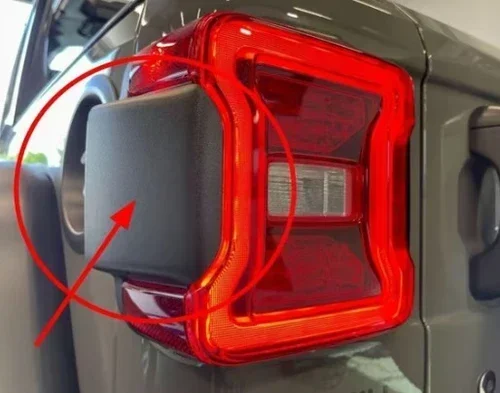
Most Jeep Wrangler blind spot monitoring systems use radar sensors. These sensors are typically mounted in the rear bumper or integrated into the side mirrors. They scan the areas to the left and right of your vehicle, specifically the lanes beside you. When a vehicle enters the detection zone, the system activates a warning.
The sensors work at highway speeds and in city driving. They are designed to detect other cars, trucks, and motorcycles. Some systems also adjust their sensitivity based on your speed, providing more alerts at higher speeds when lane changes are more dangerous.
Warning Methods
When the system detects a vehicle in your blind spot, it alerts you through one or more of the following methods:
- Mirror indicator lights: A small LED light on the corresponding side mirror illuminates. This is the most common warning method.
- Audible chime: A warning sound alerts you when you activate your turn signal while a vehicle is detected in your blind spot.
- Steering wheel vibration: Some advanced systems vibrate the steering wheel to warn you.
- Dashboard display: A visual alert appears on the instrument cluster or infotainment screen.
Limitations to Keep in Mind
Blind spot monitoring is helpful, but it has limitations. The sensors may not detect smaller objects like bicycles or pedestrians. They can also be affected by dirt, snow, or ice covering the sensors. Heavy rain or fog may reduce sensor effectiveness. Always clean your sensors and do not rely solely on the system. Use it as a supplement to your own mirror checks and shoulder checks.
Adding Blind Spot Monitoring to Older Jeep Wranglers
If you drive an older Jeep Wrangler that does not have factory blind spot monitoring, you are not out of luck. Aftermarket solutions have improved dramatically in recent years, and you can add this safety feature to just about any Jeep Wrangler model.
Aftermarket Blind Spot Monitoring Kits
Several companies manufacture blind spot monitoring kits designed specifically for Jeep Wranglers. These kits typically include sensors that mount to the rear bumper or side mirrors, a control module, and warning lights. Installation varies by kit, but many are designed for DIY installation with basic tools.
Popular aftermarket options include:
- Auto-Ventshop blind spot mirrors: These are convex mirrors that attach to your existing side mirrors. They do not use sensors, but they widen your field of view and reduce blind spots at a low cost.
- Digital blind spot monitoring systems: These are full sensor-based systems that include cameras and alert lights. They offer a more comprehensive solution and closely mimic factory systems.
- Side mirror camera kits: Some aftermarket kits replace your side mirrors with camera-equipped mirrors that display a live feed on an interior screen. This greatly reduces blind spots.
Professional Installation vs. DIY
Some aftermarket kits are plug-and-play and can be installed at home in a few hours. Others require professional installation, especially camera-based systems that need wiring integration with your Jeep’s electrical system. If you are not comfortable with wiring and electronics, it is worth paying for professional installation to ensure the system works correctly and safely.
Cost Considerations
Aftermarket blind spot monitoring kits range in price from around $50 for simple mirror attachments to $500 or more for full sensor-based systems. Digital systems with cameras tend to be at the higher end of the price range. While this is an added cost, it is a small price to pay for the added safety and peace of mind it provides.
Blind Spot Monitoring and Other Jeep Safety Features
Blind spot monitoring does not work in isolation. It is part of a broader ecosystem of driver assistance features available on modern Jeep Wranglers. Understanding how these features work together gives you a complete picture of your Jeep’s safety capabilities.
Rear Cross Traffic Alert
Rear cross traffic alert is closely related to blind spot monitoring. While blind spot monitoring covers the sides of your vehicle, rear cross traffic alert monitors the area behind you when you are reversing. It is especially useful when backing out of parking spots. Many Jeep Wrangler trims that include blind spot monitoring also include rear cross traffic alert as part of the same safety package.
Forward Collision Warning
Forward collision warning uses cameras and radar to monitor the road ahead. It alerts you if you are approaching another vehicle too quickly. Combined with blind spot monitoring, this creates a 360-degree safety net around your Jeep Wrangler.
Lane Keep Assist and Lane Departure Warning
Some newer Jeep Wrangler models offer lane keep assist and lane departure warning. These features help you stay in your lane and warn you if you drift unintentionally. When paired with blind spot monitoring, they create a comprehensive driver assistance package that makes highway driving safer and less stressful.
Adaptive Cruise Control
Adaptive cruise control adjusts your Jeep’s speed to maintain a safe following distance from the vehicle ahead. It works especially well on highways and long road trips. When you combine adaptive cruise control with blind spot monitoring, you have a powerful set of tools that reduce driver fatigue and improve safety.
How These Features Work Together
The beauty of modern Jeep safety technology is that these systems communicate with each other. When blind spot monitoring detects a vehicle in your blind zone, and you signal to change lanes, the system can interact with lane departure warning to provide a layered alert. This integrated approach means you get multiple warnings through different channels, increasing the chances that you will notice and respond to a potential hazard.
Tips for Staying Safe in Your Jeep Wrangler
Blind spot monitoring is a great tool, but it works best when combined with good driving habits. Here are some practical tips to help you stay safe on the road in your Jeep Wrangler.
Always Check Your Mirrors and Shoulders
Even with blind spot monitoring active, always perform a shoulder check before changing lanes. The system is a backup, not a replacement for your own awareness. A quick glance over your shoulder takes less than a second and can catch what sensors might miss.
Keep Your Sensors Clean
If your Jeep has factory blind spot sensors, keep them clean. Mud, dirt, snow, and ice can block the sensors and reduce their effectiveness. After off-road adventures, take a moment to wipe down the sensor areas on your rear bumper and side mirrors.
Adjust Your Mirrors Properly
Proper mirror adjustment reduces blind spots even without electronic assistance. Position your side mirrors so that you see a narrow strip of your own vehicle on the inner edge. This technique, recommended by many driving experts, minimizes the gap between what your mirrors show and what you can see by turning your head.
Be Extra Cautious When Towing
If you tow a trailer with your Jeep Wrangler, your blind spots increase significantly. The trailer blocks large portions of the lanes beside and behind you. Consider adding aftermarket blind spot cameras or extended mirror setups when towing to improve your visibility.
Use Turn Signals Consistently
Blind spot monitoring systems often activate their warnings when you use your turn signal. By signaling early and consistently, you give the system time to alert you and give other drivers time to react. This simple habit improves safety for everyone on the road.
Stay Alert on Highways
Highway driving is where blind spot monitoring is most valuable. Speeds are higher, and lane changes are more frequent. Keep the system active and stay focused on the road around you. Avoid distractions like phones or loud music that can pull your attention away from your mirrors.
Conclusion
So, do Jeep Wranglers have blind spot monitoring? The answer is a clear yes for many newer models and trims. Jeep has made significant strides in adding this important safety feature to the Wrangler lineup. Whether you buy a Sahara, Rubicon, or 4xe hybrid, there is a good chance your Jeep comes with blind spot monitoring or offers it as an option.
If you drive an older Jeep Wrangler, aftermarket solutions make it easy to add this feature. From simple blind spot mirror attachments to full digital sensor systems, there is an option for every budget and every driver. The key is to take advantage of the technology available to you and use it as part of a broader safe driving strategy.
Blind spot monitoring is not just a nice-to-have feature. It is a practical, proven safety tool that can prevent accidents and save lives. Whether you are navigating city traffic, cruising on the highway, or heading off the beaten path, having awareness of what is around you is essential. Equip your Jeep Wrangler with the right safety features, stay alert, and enjoy every mile with confidence.
Frequently Asked Questions
Do all Jeep Wranglers come with blind spot monitoring?
No, not all Jeep Wranglers come with blind spot monitoring from the factory. Availability depends on the model year and trim level. Newer models from 2021 onward are more likely to include it, especially on higher trims like the Sahara and Rubicon. Always check the specific trim details before purchasing.
Can I add blind spot monitoring to my older Jeep Wrangler?
Yes, you can add blind spot monitoring to older Jeep Wrangler models using aftermarket kits. Options range from simple convex mirror attachments to full sensor-based digital systems. Professional installation is recommended for more complex systems that require wiring integration.
How much does blind spot monitoring cost on a Jeep Wrangler?
Factory blind spot monitoring is often included in optional safety or technology packages that cost between $500 and $1,500 depending on the trim. Aftermarket kits range from about $50 for basic mirror attachments to $500 or more for advanced sensor-based systems.
Does blind spot monitoring work at low speeds?
Yes, most blind spot monitoring systems work at both highway and city speeds. However, they are most effective at speeds above 20 mph. Some systems adjust their sensitivity based on your speed, providing more alerts at higher speeds when lane changes are more dangerous.
What should I do if my blind spot monitoring light stays on?
A constantly illuminated blind spot monitoring light usually indicates a sensor issue. Dirt, snow, or ice on the sensors can cause this. Try cleaning the sensors on your rear bumper and side mirrors. If the light persists, have your Jeep inspected by a certified technician to check for sensor or wiring problems.
Is blind spot monitoring the same as lane change assist?
They are related but not the same. Blind spot monitoring alerts you when a vehicle is in your blind spot. Lane change assist goes a step further by providing additional warnings or even gentle steering corrections when you attempt to change lanes with a vehicle detected in your blind zone. Some Jeep Wrangler trims offer both features together.